
Last updated November 22, 2026
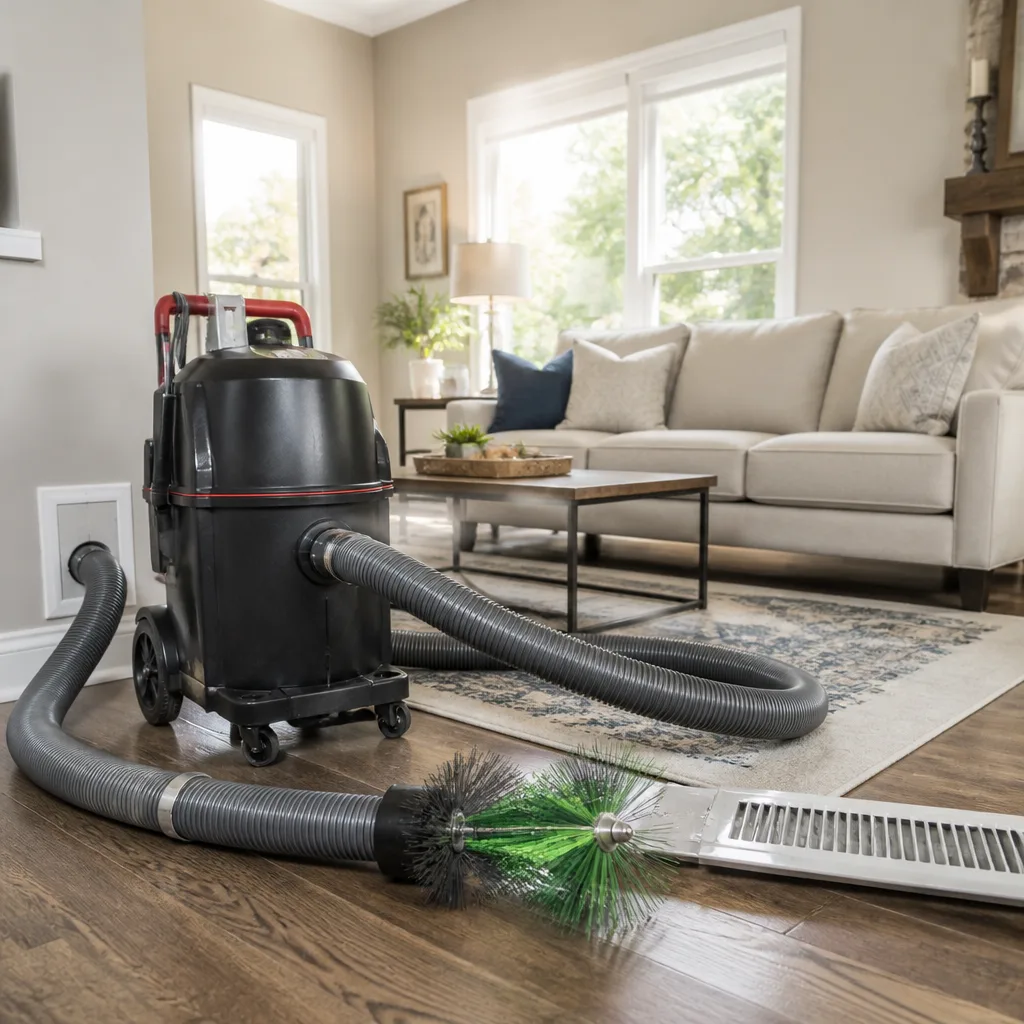 Whole-home duct cleaning
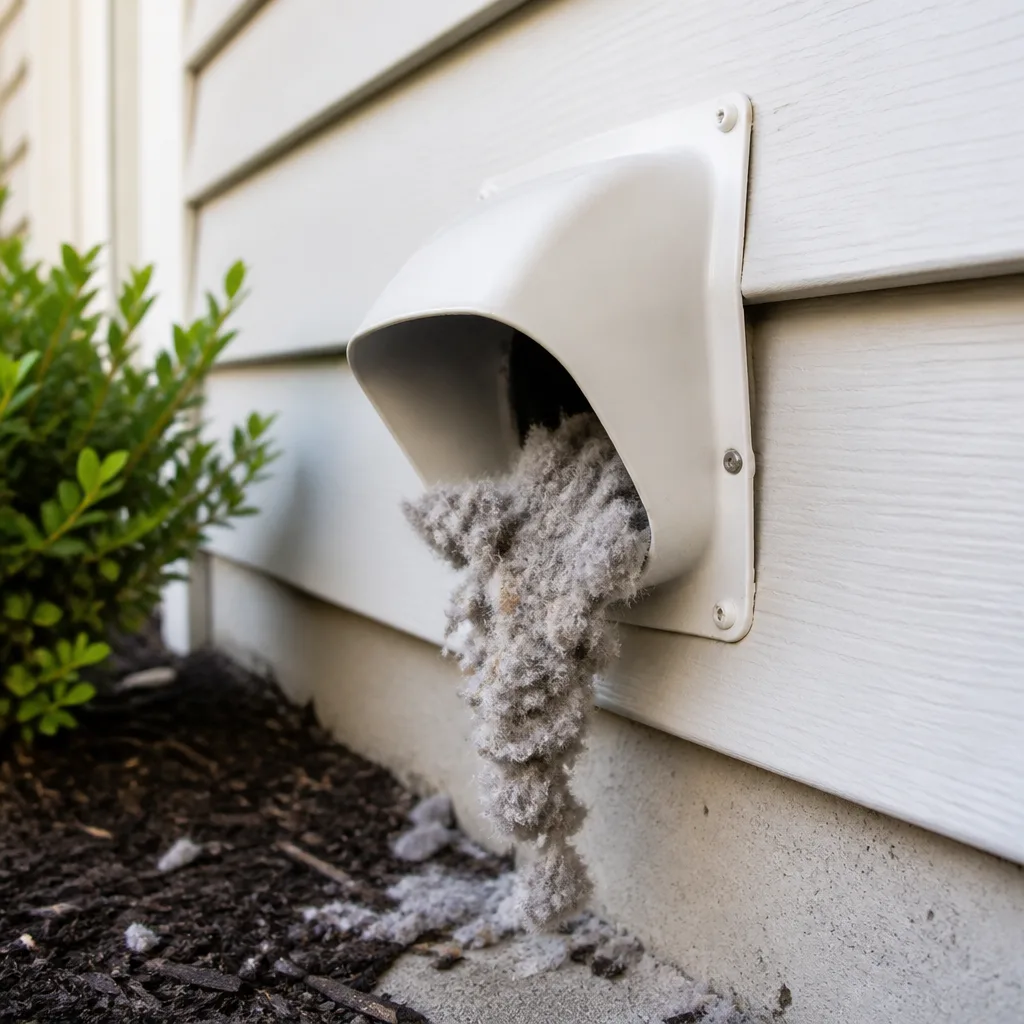 Dryer vent cleaning
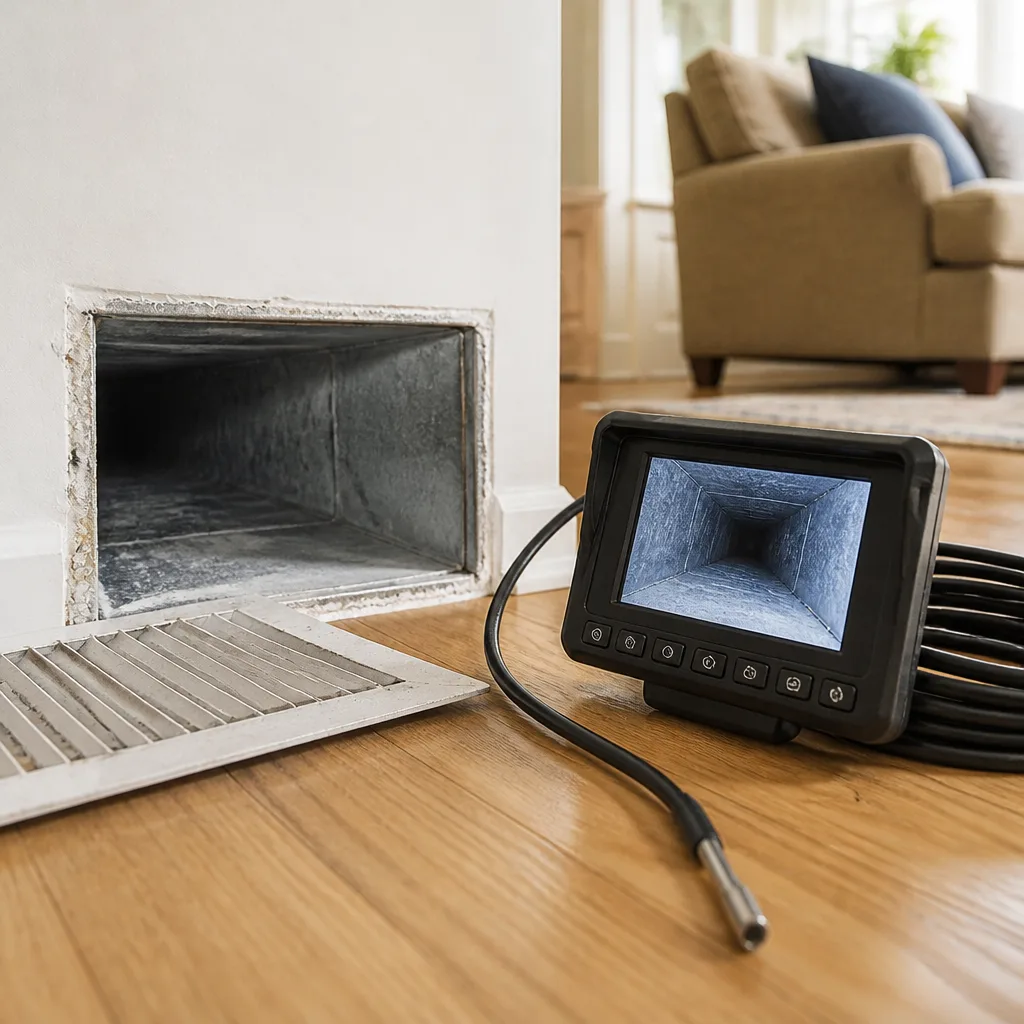 Camera inspection
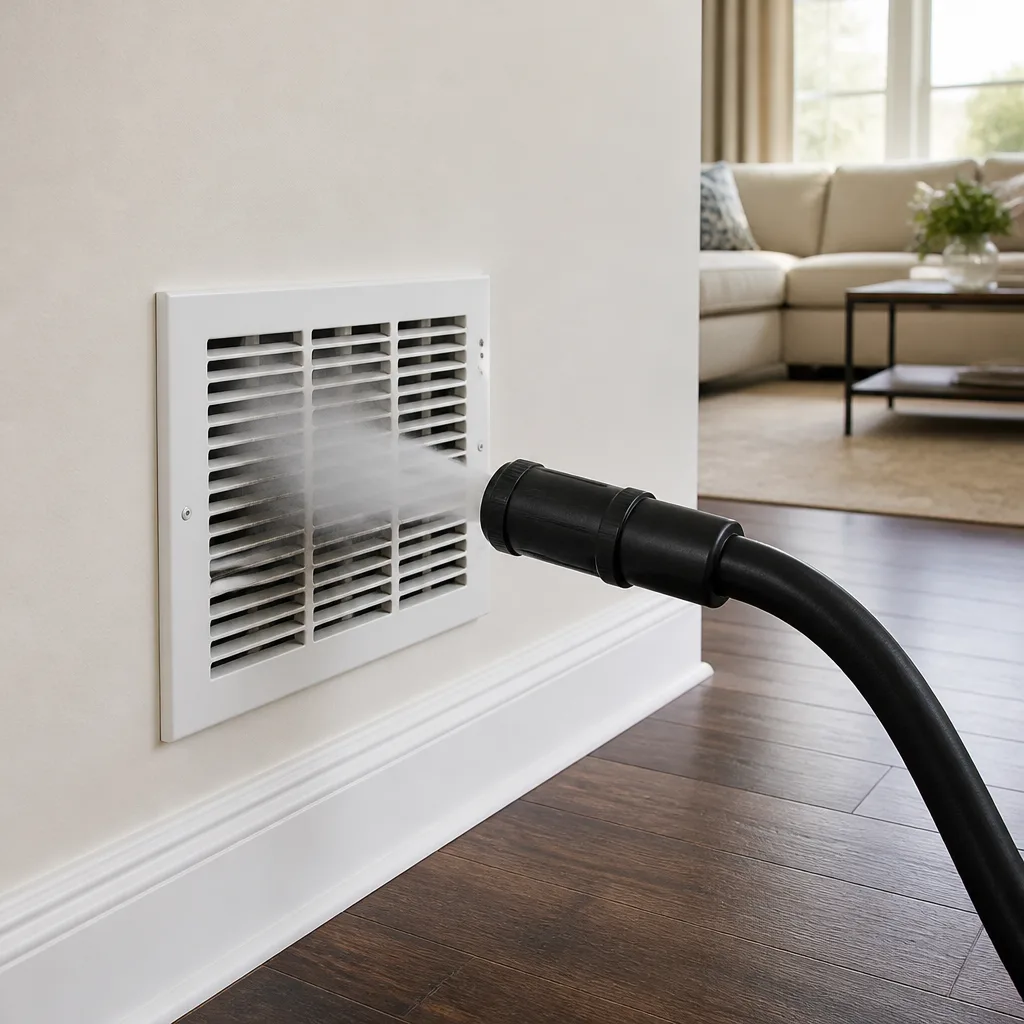 Sanitizing & deodorizing
Whole-system duct and dryer vent check with before-and-after photos - you see exactly what came out of your vents
That "$99 whole-house special" is a bait ad - the real number appears once they are in your hallway, or the "clean" is a shop-vac at the register. We photograph the inside of your ducts before and after instead.
Air Duct Cleaning Emergency Preparedness Guide for Williamsbridge Homes
After a kitchen fire, most homeowners do the sensible things first: they open windows, toss smoke-damaged curtains, and wait for the smell to fade. Then they restart the HVAC. That restart is where the real problem begins. The moment the system comes back on, soot and combustion particulate that settled inside the ductwork get pushed into every room the system serves, not just the kitchen. The same happens after a flood, a sewage backup, or a rodent infestation. This guide lays out a clear post-emergency protocol for Williamsbridge homes: when to shut the system down, how to isolate it, what an emergency assessment actually involves, and the order of operations that keeps you from paying for the same work twice. You’ll leave knowing exactly what to do in the first hour.
Quick Answer
After a structure fire, flood or sewage backup, confirmed rodent nesting, or mold remediation in adjacent cavities, shut off the HVAC system and seal the supply and return registers before restarting anything. Do not run the system again until the air pathway has been assessed with a scope camera and, where needed, air sampling and duct pressure testing. Then remediate in the correct sequence: contamination removal first, structural repair and mold work second, sanitizing and sealing last.
Styles & brands we work with
- Whole-home duct cleaning
- Dryer vent cleaning
- Camera inspection
- Sanitizing & deodorizing
Table of Contents
- The Four Emergencies That Require a Duct System Lockout
- Step-by-Step HVAC Shutdown and Isolation Protocol
- What Emergency Duct Assessment Actually Involves
- Insurance Documentation: What to Photograph and What a Report Should Say
- The Remediation Sequence for Each Emergency Type
- Why Williamsbridge Housing Stock Changes the Calculation
- Dryer Vents: The Emergency That’s Easier to Prevent
- Building Your Air Pathway Emergency Kit Before You Need It
The Four Emergencies That Require a Duct System Lockout
A duct system is a distribution network. Anything that gets into the air stream gets distributed. Most homeowners treat duct cleaning as routine maintenance, so they don’t think of the ductwork as part of their emergency response. That’s the gap this section closes.
Four situations call for lockout: shutting the system down and sealing it until a professional assessment happens.
Structure fire. Smoke residue travels farther than heat. Soot and combustion byproducts settle on duct interior surfaces even in rooms the fire never reached. Running the system afterward re-suspends those particles and sends them through the supply side into living space. If your home had any smoke infiltration in Williamsbridge, the ducts need assessment before restart, not after.
Flood or sewage backup. Water that reaches a return plenum or a duct run creates two problems at once: moisture, and whatever the water carried. Sewage backup is the more serious of the two. Moisture inside an insulated flex duct or a lined trunk is hard to dry completely, and a damp duct system is a growth medium. Standard air duct cleaning handles surface debris; a flood-damaged system needs assessment for saturation and possible section replacement.
Confirmed rodent infestation with nesting in ducts. Rodent activity in a home is common. Nesting inside the duct system is the escalation. Droppings, urine, nesting material, and hair accumulate in duct runs, and the air handler distributes particulate from that material through the house. If you’ve found droppings near a register or heard activity inside a wall the ducts run through, treat it as a lockout scenario until the system is inspected.
Mold remediation in adjacent building cavities. This one catches people out. A contractor remediates mold in a wall cavity or between floors, the remediation passes inspection, and the homeowner restarts the HVAC. But spores disturbed during that work settle in nearby duct runs. If the ducts were not isolated during the cavity work, they need assessment afterward. Cleaning a duct system before the cavity remediation is finished is a wasted investment, and we explain why in the sequencing section below.
Step-by-Step HVAC Shutdown and Isolation Protocol
You can do this in about ten minutes, before any contractor arrives. The goal is simple: stop air movement through the duct system and keep it stopped. Every step below is about limiting distribution, not repairing anything.
- Turn the system off at the thermostat. Set it to OFF, not to a lower temperature. On a heat pump or a system with auxiliary heat, switch the mode to OFF rather than fan-only. A fan running in FAN ON mode keeps circulating air even though heating and cooling are off.
- Kill power at the air handler. There’s a service switch near the indoor unit, usually on the side of the cabinet or on the wall beside it. If you’re not sure which switch it is, turn the circuit breaker off at the panel. Electrical panels are not a DIY environment: if the panel is old, unlabeled, or you have any doubt, leave the breaker alone and call a licensed electrician or your HVAC pro. Don’t open the panel cover.
- Seal the supply and return registers. Blue painter’s tape works well because it releases cleanly. Cover every supply register and every return grille in the affected zones. If the emergency was localized to part of the home, seal the registers in that area first and then evaluate the rest.
- Close the dampers, if your system has them. Zoned systems and some trunk lines have balancing dampers at the branch takeoffs. Closing them confines contamination to the affected branch as much as possible. Not every home has them; don’t force anything that won’t move.
- Don’t run the system to “clear the smell.” This is the single most common mistake. A running fan is a distribution engine. Let the smell linger for a few days rather than push soot or spores through the entire house.
- Photograph everything before you clean up. Register interiors, visible soot or water staining, the air handler area, and any duct surfaces you can access. You’ll want these for insurance regardless of what happens next.
- Call for an assessment before you unseal anything. The system stays isolated until a professional has scoped the affected runs and confirmed what’s inside them.
One more thing in Williamsbridge: many homes here have duct runs in unconditioned attic or crawl space. A sealed system sitting in a cold or damp space still accumulates condensation and pests. Lockout buys you days, not weeks. Schedule the assessment promptly.
What Emergency Duct Assessment Actually Involves
Emergency duct assessment is not a standard cleaning appointment with a rushed schedule. It’s a diagnostic visit, and it takes longer, uses different tools, and answers a different question. A cleaning appointment asks “what needs to be removed?” An emergency assessment asks “what is in this system, how far did it spread, and does any of it need to be replaced rather than cleaned?”
Here’s what the visit includes:
- Scope camera inspection. A camera on a flexible rod goes into supply and return runs from the register openings and, where accessible, from the plenum. This shows what the duct interior actually looks like: soot film, water staining, nesting material, or microbial growth. A camera is the difference between a guess and a scope of work.
- Air sampling. Where contamination is suspected but not visible, air sampling establishes a baseline for particulate and biological content. It also gives you a before-and-after record, which matters for insurance and for confirming the work actually did what it was supposed to.
- Duct pressure testing. Measuring static pressure and leakage tells us whether the system is intact. A fire can warp or separate duct sections; water can collapse flex duct; rodents can chew through it. A duct that’s leaking in an attic or wall cavity is pulling contaminated air from that cavity. Pressure testing finds the breaches a camera can miss.
- HVAC equipment inspection. The air handler, blower wheel, evaporator coil, and drain pan all sit in the air stream. If contamination reached the equipment, cleaning the ducts and leaving the coil and blower untouched redistributes it on the first cycle. HVAC cleaning is part of the emergency scope when the equipment is contaminated.
- Written findings. You should receive a written report with photos, the assessed scope, and a recommended sequence. Verbal findings don’t hold up with an adjuster.
We use Rotobrush and Nikro equipment for this work because it’s built to handle the contact cleaning and negative-pressure containment a contaminated system requires. Consumer-grade vacuums don’t create enough vacuum or hold enough filtration to work in a post-fire or post-flood environment. The air duct cleaning Williamsbridge service approach we take starts with assessment for exactly this reason: you can’t remediate what you haven’t identified.
Insurance Documentation: What to Photograph and What a Report Should Say
Duct contamination claims live or die on documentation. The adjuster wasn’t there. Your photos, the professional assessment, and the written scope are the evidence. Get this right early and the claim process moves. Miss it and you spend weeks reconstructing what you could have captured in fifteen minutes.
What to photograph:
- Each register opening with the grille removed, showing interior surfaces
- The air handler cabinet and surrounding area, including any visible soot or water
- Water staining on ceilings, walls, and around duct penetrations
- Any visible rodent droppings, nesting material, or entry points
- Damaged duct sections in accessible attic or crawl space areas
- A wider shot of each room in context so the adjuster can see layout and affected zones
- Your thermostat and system label, so the equipment is identified
Take more photos than feel necessary. Photos don’t cost anything; a re-inspection does.
What a professional assessment report should include:
- The emergency type and date, and the date the system was shut down
- Scope camera findings by zone or run, with labeled photos
- Air sampling results, if sampling was performed, with the sampling method noted
- Pressure test or leakage findings
- A clear statement of what is contaminated and what is not
- Recommended remediation sequence, with what needs cleaning versus what needs replacement
- An itemized scope with the estimated cost per phase
On the insurance side, duct contamination usually falls under the property damage portion of a homeowner’s policy when it results from a covered peril like fire or water. Coverage and categorization vary by policy and adjuster, and we don’t interpret policies. What we can do is make sure the documentation on our end is thorough enough that your adjuster has what they need. We can also work with your insurer on the claim review.
The Remediation Sequence for Each Emergency Type
Order of operations is where money gets wasted. Duct cleaning before mold remediation of wall cavities is the clearest example: the remediation work re-contaminates the ducts, and you pay twice. Here’s the correct sequence for each emergency type.
Structure fire
- Board up and stabilize the structure; complete any demolition of burned material
- Containment and negative pressure on the duct system before any cleaning begins
- Contact cleaning of all supply and return runs, plus the air handler, blower, and coil
- Sanitizing with professional-grade products; we finish with Guardsman-grade protection so treated surfaces stay protected rather than just cleaned
- Pressure test to confirm the system is intact and dry, then restart
Flood or sewage backup
- Water extraction and structural drying first, with the duct system isolated
- Assessment for saturation: flex duct and lined trunk often need replacement, not cleaning
- Removal and replacement of saturated sections
- Cleaning and sanitizing of the remaining system, including the air handler and coil
- Pressure test and restart only when moisture readings confirm the system is dry
Rodent infestation
- Exclusion work: seal entry points so the problem doesn’t return the day after cleaning
- Removal of nesting material, droppings, and contaminated insulation
- Full-system cleaning with HEPA filtration and containment
- Sanitizing of affected runs
- Assessment of any chewed duct sections for repair or replacement
Mold remediation in adjacent cavities
- Cavity remediation first, with the duct system isolated and registers sealed
- Post-remediation verification of the cavities
- Duct assessment: scope camera and, if indicated, air sampling
- Duct cleaning if contamination is confirmed, then sanitizing
- Sealing of any duct breaches so the system stops pulling air from cavities
Duct repair and sealing belongs in every one of these sequences, not as an optional add-on. A system with breaches pulls air from wherever the pressure differential points, and after an emergency that can mean pulling from a cavity that just had mold remediation. We handle cleaning, repair, sealing, and sanitizing as one scope so you’re not coordinating four contractors and guessing at the order.
Why Williamsbridge Housing Stock Changes the Calculation
Williamsbridge is a mix of early- and mid-twentieth-century housing: detached and semi-detached homes, two- and three-family buildings, and apartment stock along the main corridors. That mix matters for emergency preparedness in three practical ways.
Older ductwork is less forgiving. Some homes here have original sheet metal trunk lines with branch runs added over the years. Others have flex duct retrofits. A fire or flood hits these systems differently. Sheet metal can be cleaned and sanitized thoroughly; flex duct that’s been wet often can’t. Knowing which you have before an emergency saves the scramble afterward.
Shared systems in multi-family buildings. In a two- or three-family building, a duct system serving more than one unit changes the lockout decision. If contamination is in a shared return, isolating one unit doesn’t protect the others. Property managers in Williamsbridge should have a written protocol for who shuts the system down and who authorizes the assessment. In a multi-unit building, that’s often a phone call that needs to happen in the first hour.
Winter heating cycles concentrate risk. A Williamsbridge winter means the heating system runs constantly. After a fire or a rodent intrusion, a system that’s cycling every twenty minutes distributes contamination faster than a system sitting idle in a milder month. The lockout window is shorter here in January than in May. Don’t wait to see if the smell clears.
We work with both homeowners and property managers on full-system scopes, and the assessment approach is the same either way: find out what’s in the system and how far it spread before touching anything.
Dryer Vents: The Emergency That’s Easier to Prevent
The four emergencies above all happen to you. A clogged dryer vent is one you can head off, and it belongs in an emergency preparedness guide because lint accumulation in a dryer vent is one of the leading causes of residential fires. It’s a fire risk that builds quietly in a component most people never look at.
The mechanics are simple. Every dryer cycle pushes lint past the lint trap. Some of it collects in the exhaust duct. Over time the duct narrows, airflow drops, and the dryer runs hotter and longer. The heat has nowhere to go. That’s the fire condition.
Warning signs to watch for:
- Clothes take two cycles to dry when one used to be enough
- The dryer cabinet or the wall behind it feels hot to the touch
- The exterior vent flap doesn’t open fully or doesn’t move much during a cycle
- A burning or musty smell in the laundry area
- Visible lint around the exterior vent hood
If any of those describe your setup, stop using the dryer until the vent is cleared. Dryer vent cleaning is a short service, usually well under an hour, and it’s the cheapest fire-risk reduction available to a homeowner. We treat it as a core service rather than an add-on because the safety case is that clear, and because a vent that’s clear also cuts drying time, which is money back on every load. If your building is older and the vent run is long or has multiple elbows, have it checked before the next heating season rather than after a warning sign.
Building Your Air Pathway Emergency Kit Before You Need It
The reason most homeowners lose the first 24 hours after an emergency is that the isolation protocol requires things they don’t have in one place. Put this together now. It takes one trip to a hardware store and costs very little.
- Blue painter’s tape, two rolls. For sealing registers. Doesn’t leave residue on painted grilles.
- A printed one-page shutdown sheet. The thermostat setting, the location of your air handler service switch, and the breaker number if you know it. Tape it inside a kitchen cabinet.
- A note on your system type. Sheet metal duct or flex? Where does the air handler sit? Any zones or dampers? Write it down. It saves time on the assessment call.
- A flashlight that works. You’ll be looking into register openings and possibly into an attic.
- Your HVAC contractor’s number and your insurance agent’s number. Written down, not just in your phone.
- A phone camera you know how to use quickly. Practice taking a clear photo inside a register opening once, so you’re not learning in the middle of a crisis.
- A dryer vent cleaning reminder. Put a note on your calendar. If you can’t remember the last time the vent was cleared, that’s the reminder.
If you want the assessment side pre-arranged, call us before anything happens. We’ll note your system type and layout so that if an emergency does occur, the assessment visit is faster. A short call now is worth a lot of confusion later.
Common Mistakes to Avoid
- Restarting the HVAC to “air out” the house. A running fan pushes soot, spores, or rodent particulate through every room the system serves. Leave the system off and the registers sealed until the assessment is done.
- Cleaning the ducts before the source work is finished. In Williamsbridge, where cavity mold remediation often runs in the same week as duct work, cleaning first means the remediation re-contaminates the ducts. Sequence it correctly or pay twice.
- Assuming a standard cleaning appointment covers post-fire contamination. A routine cleaning doesn’t include scope camera inspection, air sampling, or containment. Emergency assessment is a different visit with a different scope.
- Skipping photos before cleanup. Once the soot is wiped and the water is extracted, the physical evidence is gone. Photograph first, clean second.
- Cleaning the ducts but not the air handler. The blower wheel and coil sit in the air stream. A clean duct system behind a contaminated coil re-contaminates on the first cycle.
- Ignoring duct breaches after an emergency. Fire warps, water collapses, rodents chew. A leaking duct pulls air from cavities and attics. Pressure testing and sealing belong in the scope.
- Treating a multi-family building like a single-family home. In a two- or three-family Williamsbridge building, a shared return means one unit’s problem is everyone’s problem. Have the shutdown protocol agreed and written down before you need it.
See the difference
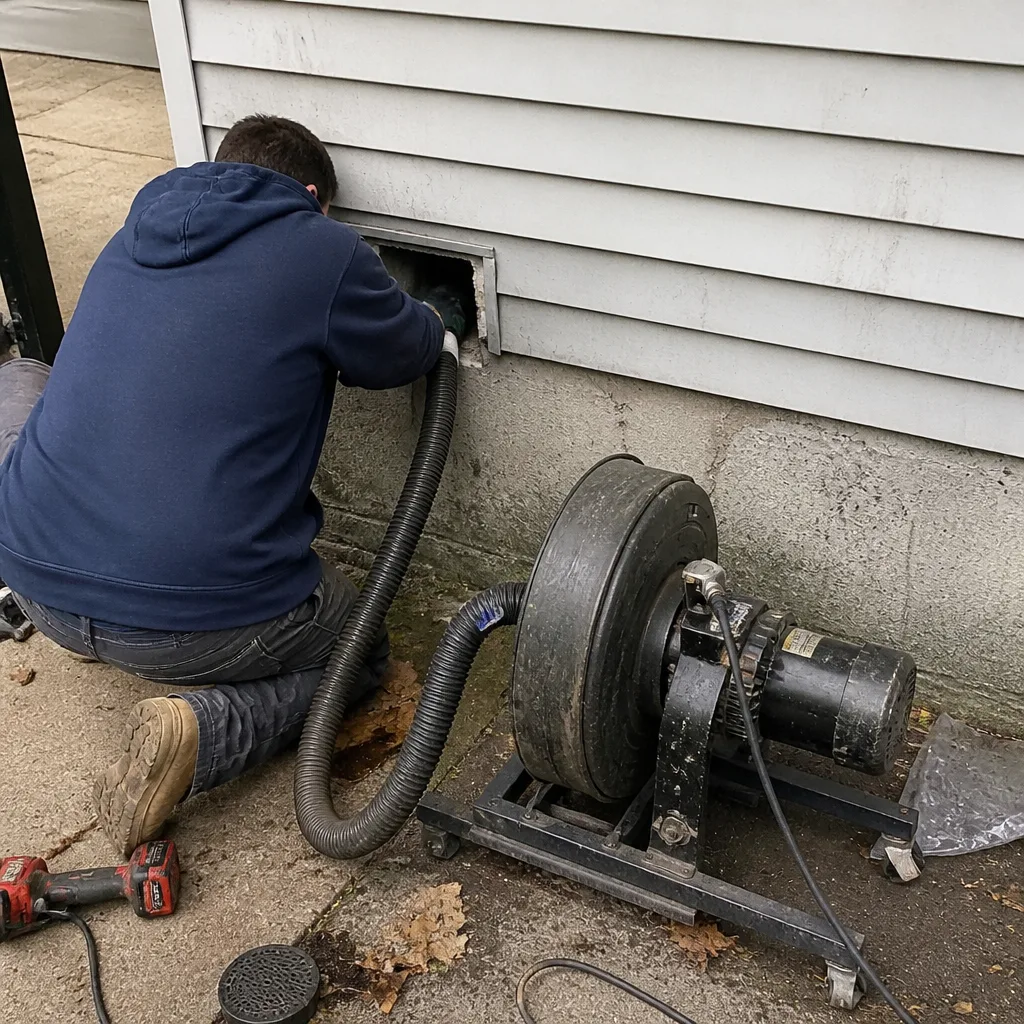 Before
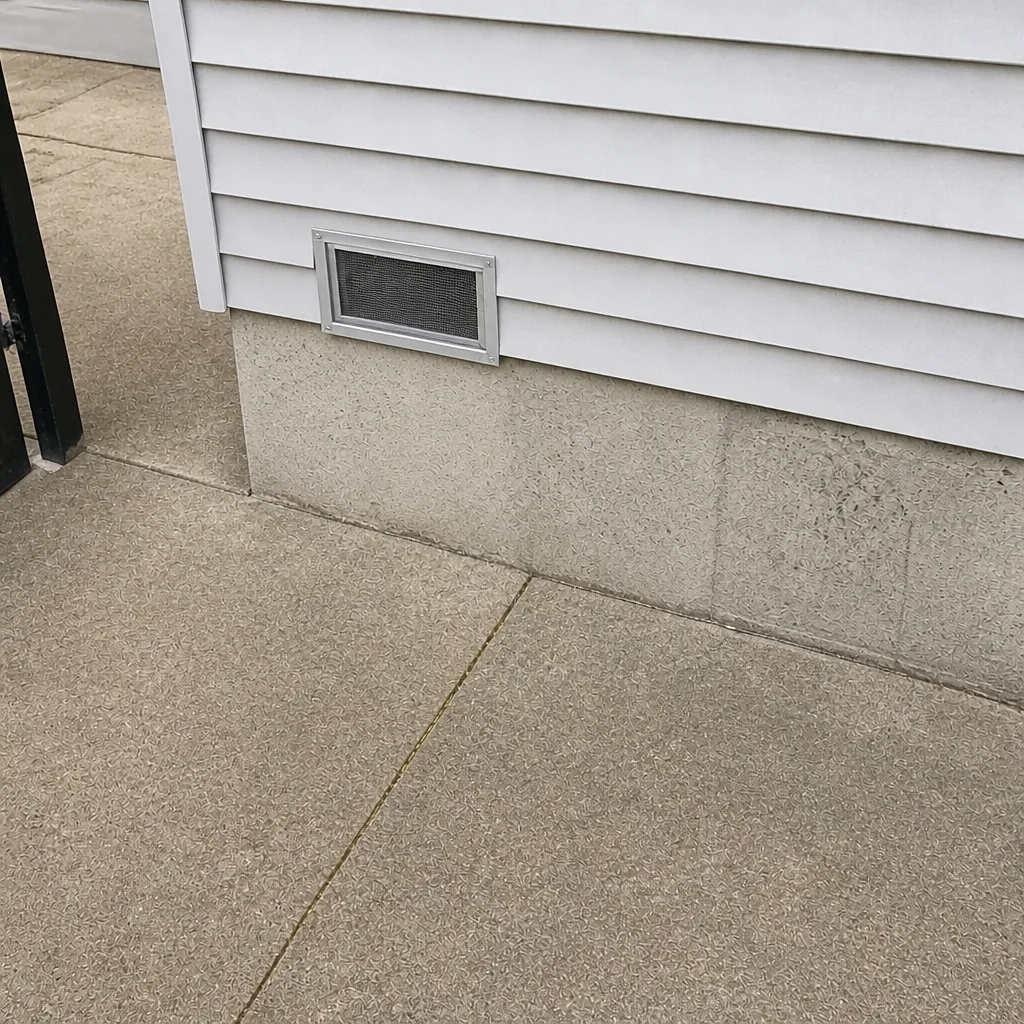 After
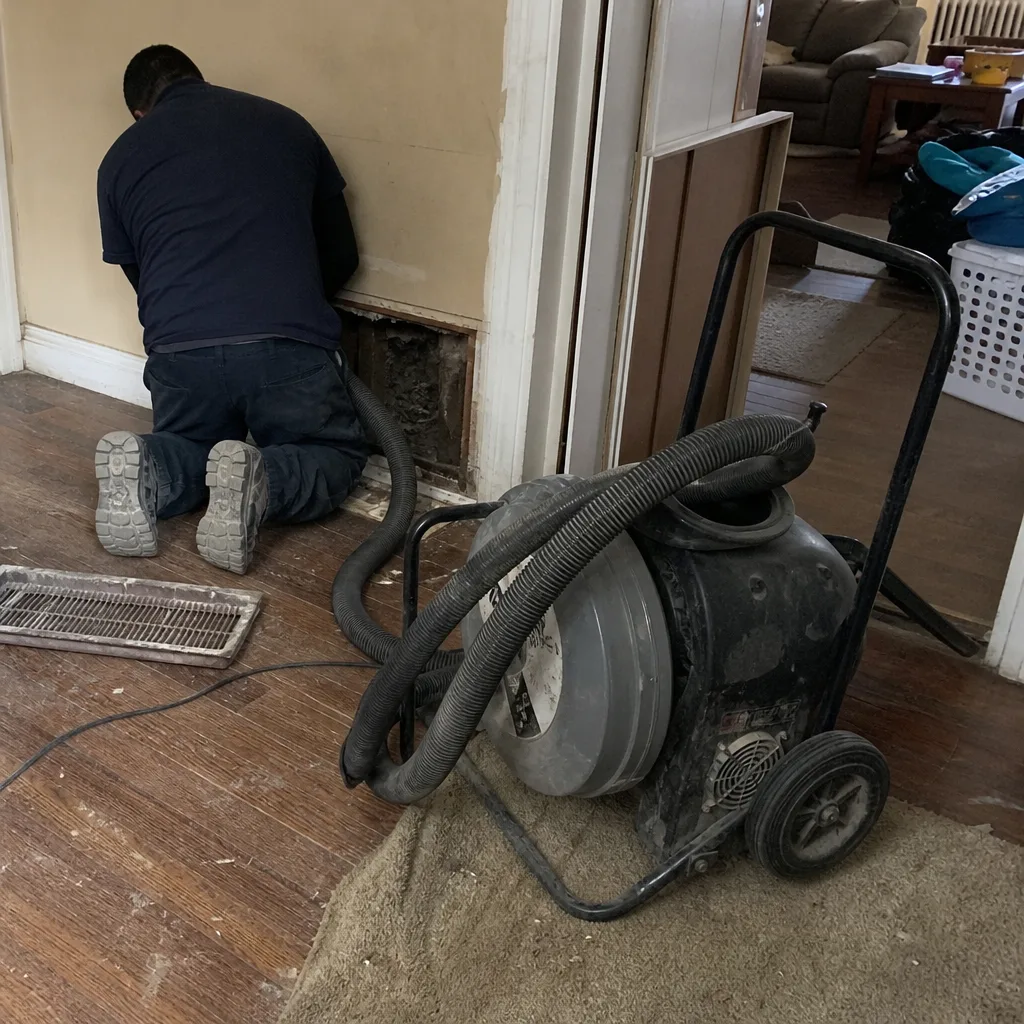 Before
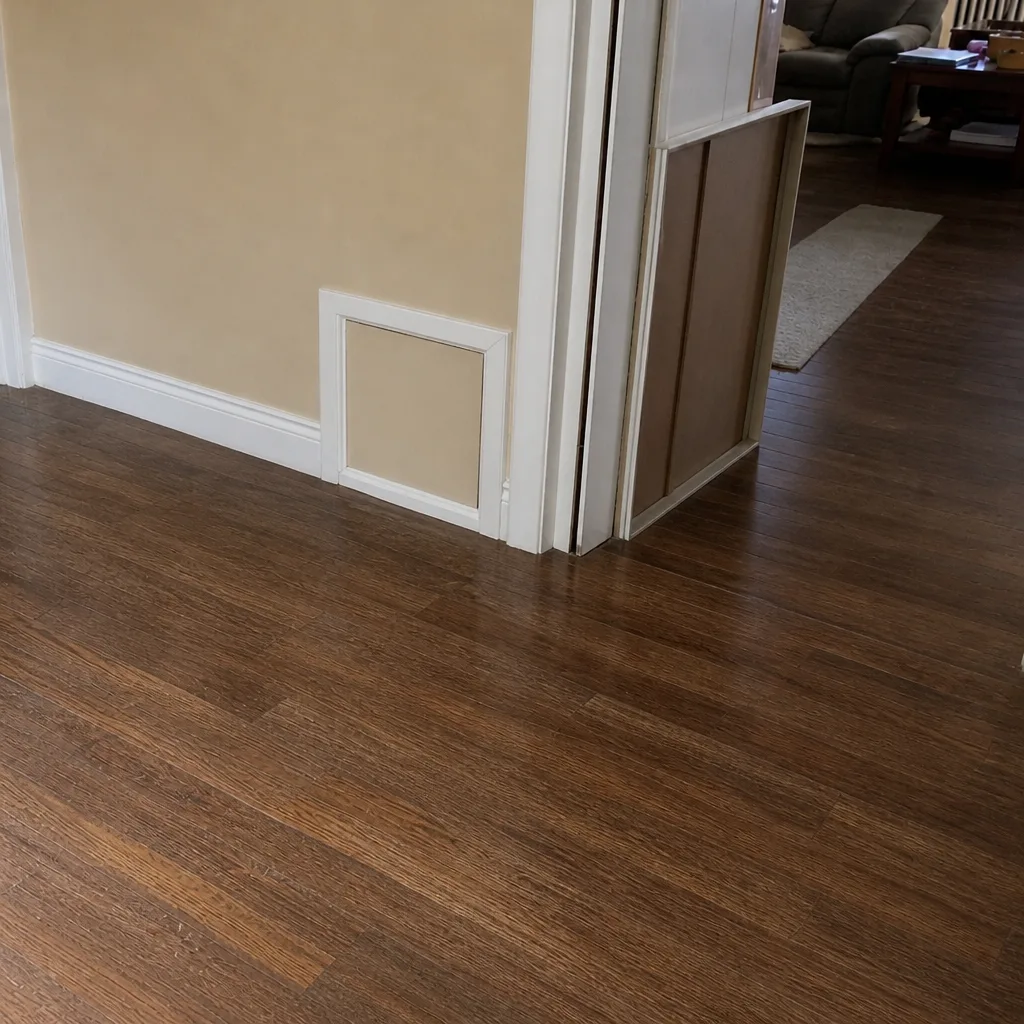 After
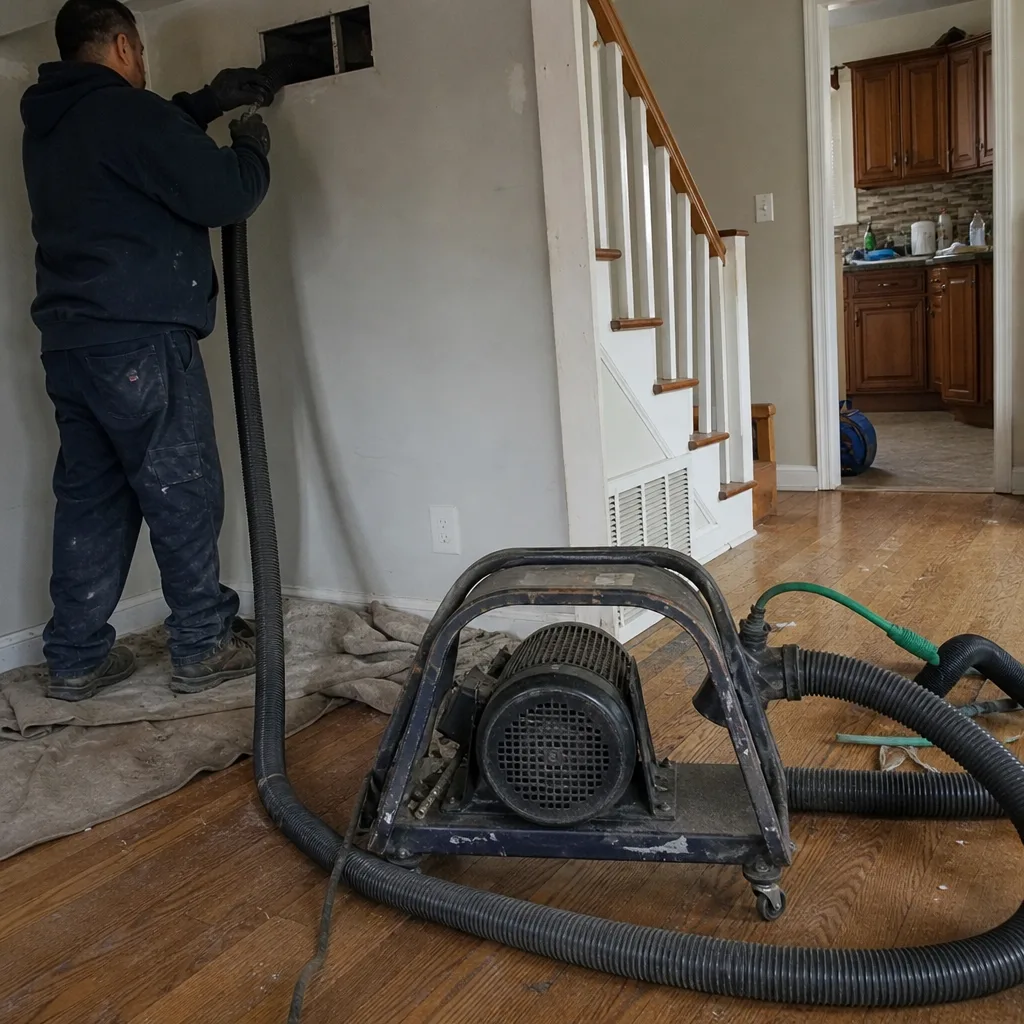 Before
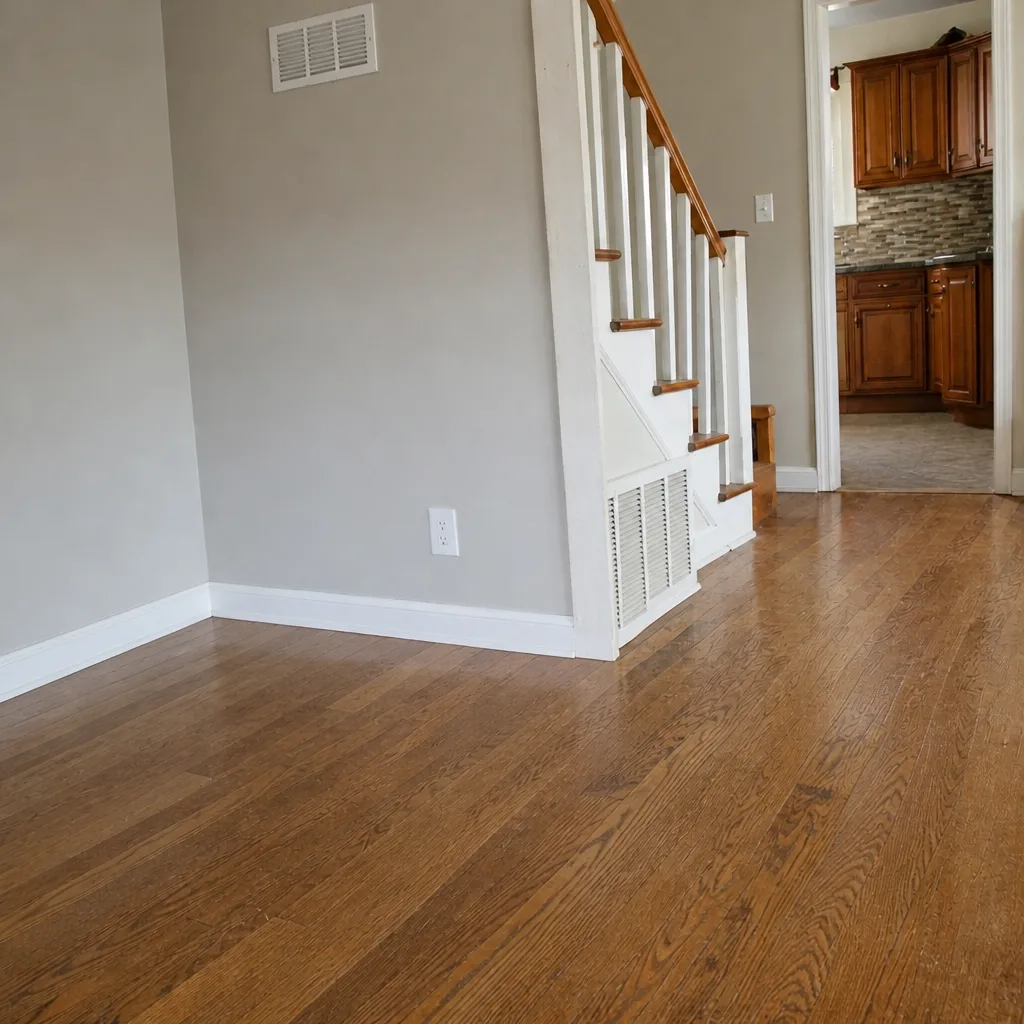 After
When to Call a Professional
Call a professional immediately after any of the four emergencies above, and before you unseal registers or restart the system. Call if you’ve found rodent droppings near a register, if there’s water staining around a duct penetration, if the dryer takes two cycles to dry a load, or if a burning smell appears near the laundry area. Call if your building is multi-family and a neighbor has had a fire or a flood, even if your unit looks unaffected. And call if you’re planning a cavity mold remediation, so the ducts can be isolated during the work rather than assessed afterward. Air Duct Cleaning Williamsbridge offers free estimates in Williamsbridge – call (844) 443-3861. We answer 24/7. Fast dispatch from 7am to 7pm, Sunday through Friday. A call outside dispatch hours is booked into the next opening, Sunday through Friday, 7am to 7pm. Whether you need assessment after an emergency or a pre-arranged plan before one, we’ll walk through your system type and what the visit involves.
Frequently Asked Questions
Most whole-system air duct cleaning in Williamsbridge runs in the low hundreds to several hundred dollars depending on the number of runs, system size, and accessibility, and you get one flat price per system agreed before work starts. Post-emergency assessment with scope camera inspection, air sampling, and pressure testing runs higher than a standard cleaning because the scope is diagnostic. There’s no per-vent pricing and no teaser coupon that grows into a bigger invoice on site. Call (844) 443-3861 for an exact quote. Estimates are free.
No. Running the system after a fire re-suspends soot and combustion particulate and distributes it through every room the system serves. Keep the system off, seal the registers, and get the ducts assessed first. Once the system is confirmed clean and the ducts are pressure tested, restart it.
Low quotes usually skip the parts of the job that take time: containment, negative pressure, HEPA filtration, the air handler and coil, and the assessment that tells you what’s actually in the system. On a post-emergency job, a cheap quote often excludes the survey and the sanitizing, so the number you see isn’t the scope you need. One flat price per system, agreed in writing before work starts, is the honest structure. Call (844) 443-3861 for an exact quote. Estimates are free.
Ask for before-and-after photos of your own ducts, not stock images, and ask for the assessment report with the scope camera findings and any sampling or pressure test results. We provide photos throughout the process and finish with Guardsman-grade protection products so the system is protected, not just cleaned. If a contractor can’t show you your ducts, that’s your answer.
After. Mold remediation in wall cavities or between floors disturbs spores, which settle in nearby duct runs. Clean the ducts after the cavity work is complete and verified. Cleaning before remediation is a wasted investment because the remediation re-contaminates the system.
Most households need it roughly once a year, and more often in homes with long vent runs, multiple elbows, or heavy laundry use. In Williamsbridge’s older housing stock, where vent runs are sometimes long and routed through interior walls, annual is a sensible baseline. If drying times have stretched or the exterior flap barely moves, do it now rather than waiting for the calendar. Call (844) 443-3861 for dryer vent cleaning. Estimates are free.
The Bottom Line
After a fire, flood, rodent infestation, or nearby mold remediation, the duct system is a distribution network that will spread contamination through the whole home if the HVAC runs before it’s assessed. Shut the system off at the thermostat and the air handler, seal the registers, photograph everything, and leave it sealed until a professional has scoped the ducts, sampled the air where needed, and pressure tested the system. Then remediate in the right order: remove contamination, complete structural and mold work, clean and sanitize, seal breaches, test, restart. Know your system type, keep tape and a shutdown sheet where you can find them, and get the dryer vent cleared on a schedule. If you’d rather not figure it out mid-emergency, call ahead and we’ll note your system so the assessment visit is faster.
Call (844) 443-3861 for a free estimate. We answer 24/7. Fast dispatch from 7am to 7pm, Sunday through Friday. We work with homeowners and property managers across Williamsbridge, and we can work with your insurer on the claim side. One visit, one team: clean it, seal it, sanitize it.
Written by the team at Air Duct Cleaning Williamsbridge.