
Last updated November 22, 2026
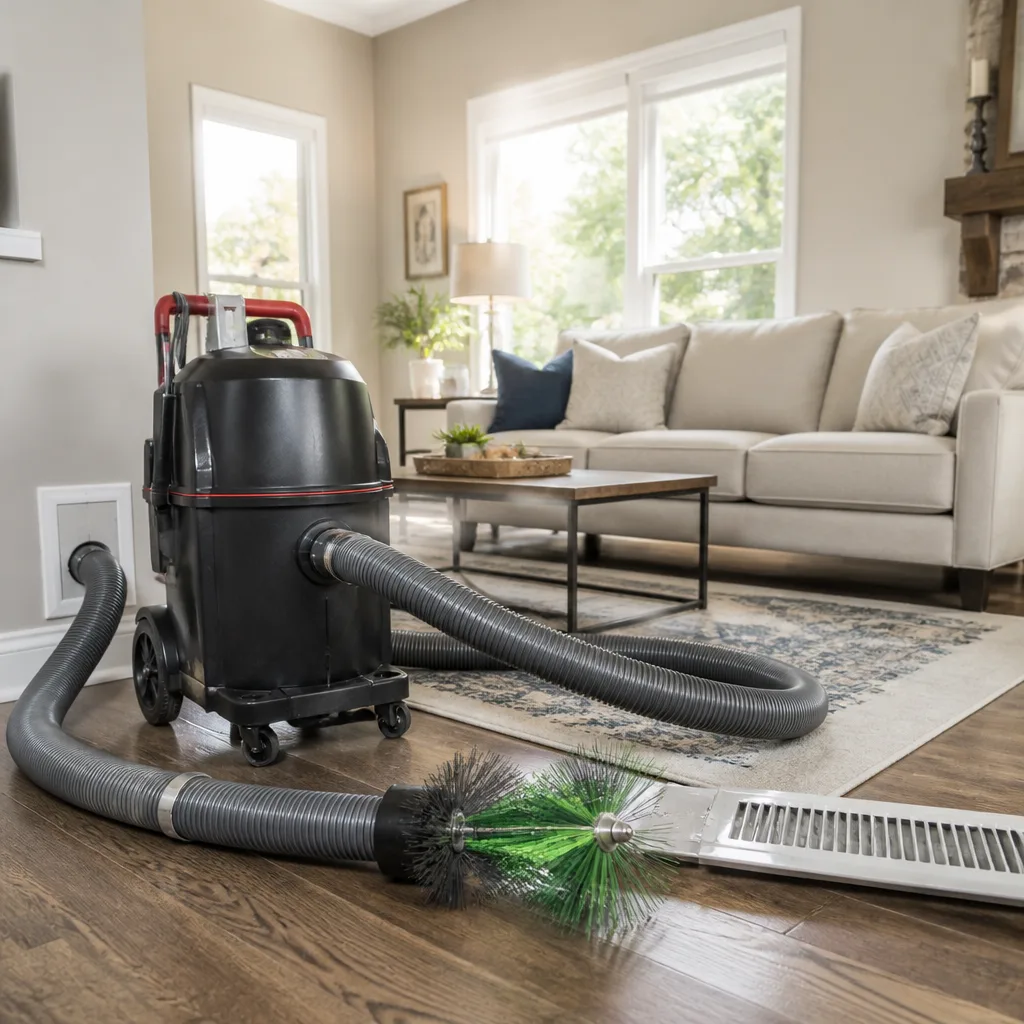 Whole-home duct cleaning
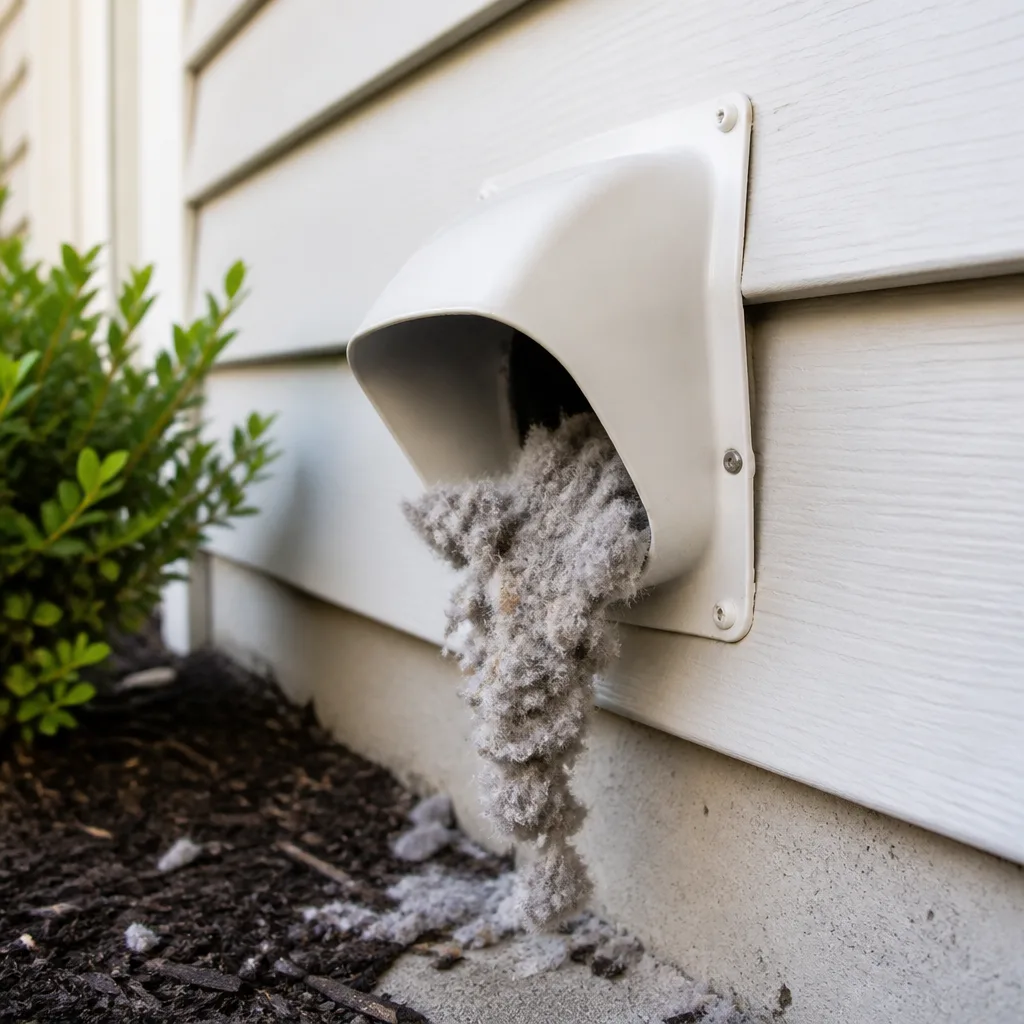 Dryer vent cleaning
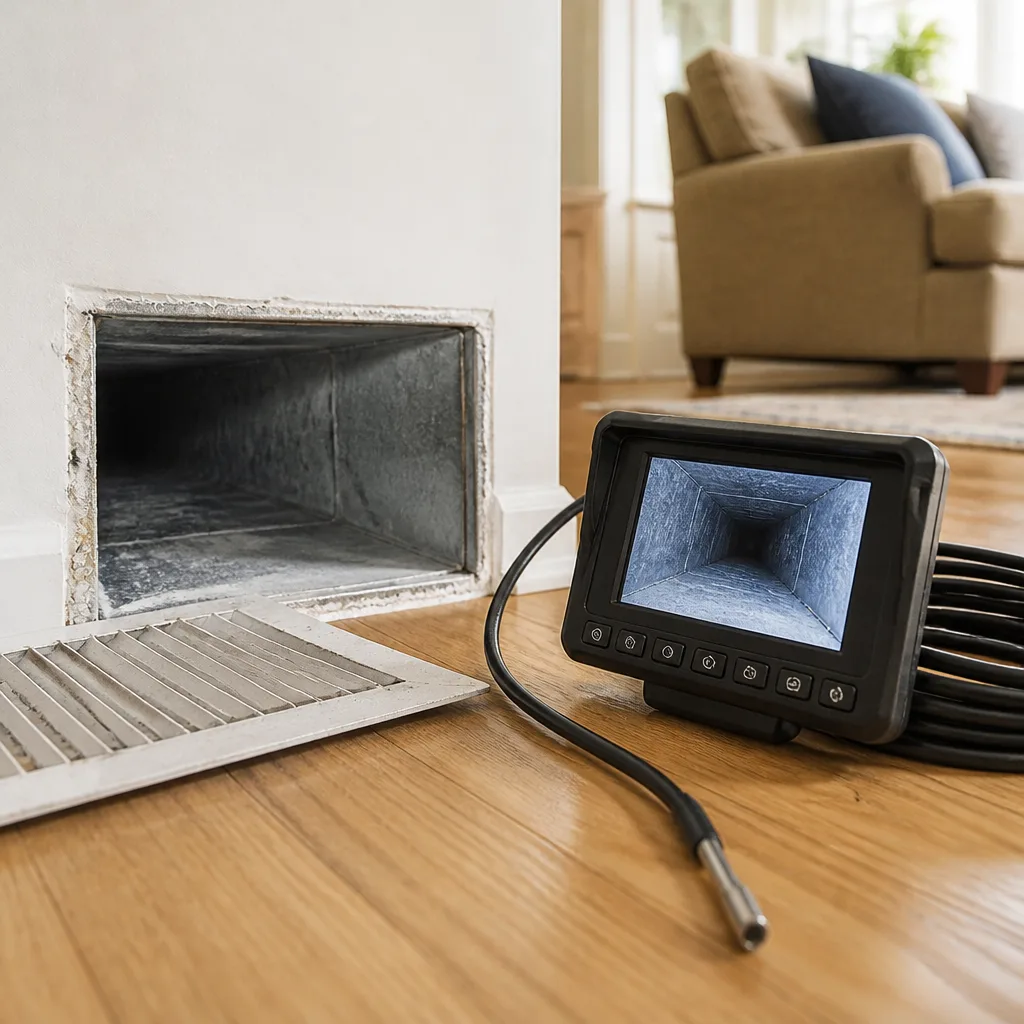 Camera inspection
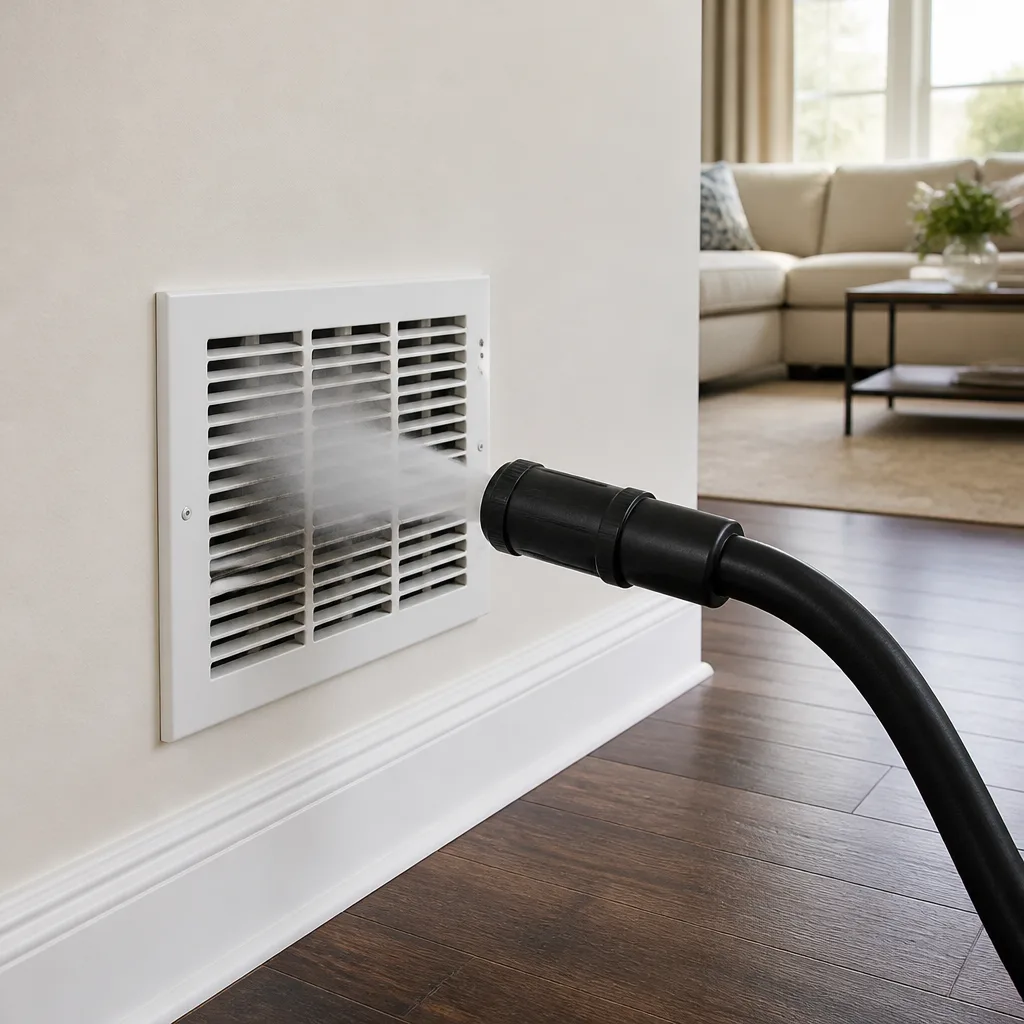 Sanitizing & deodorizing
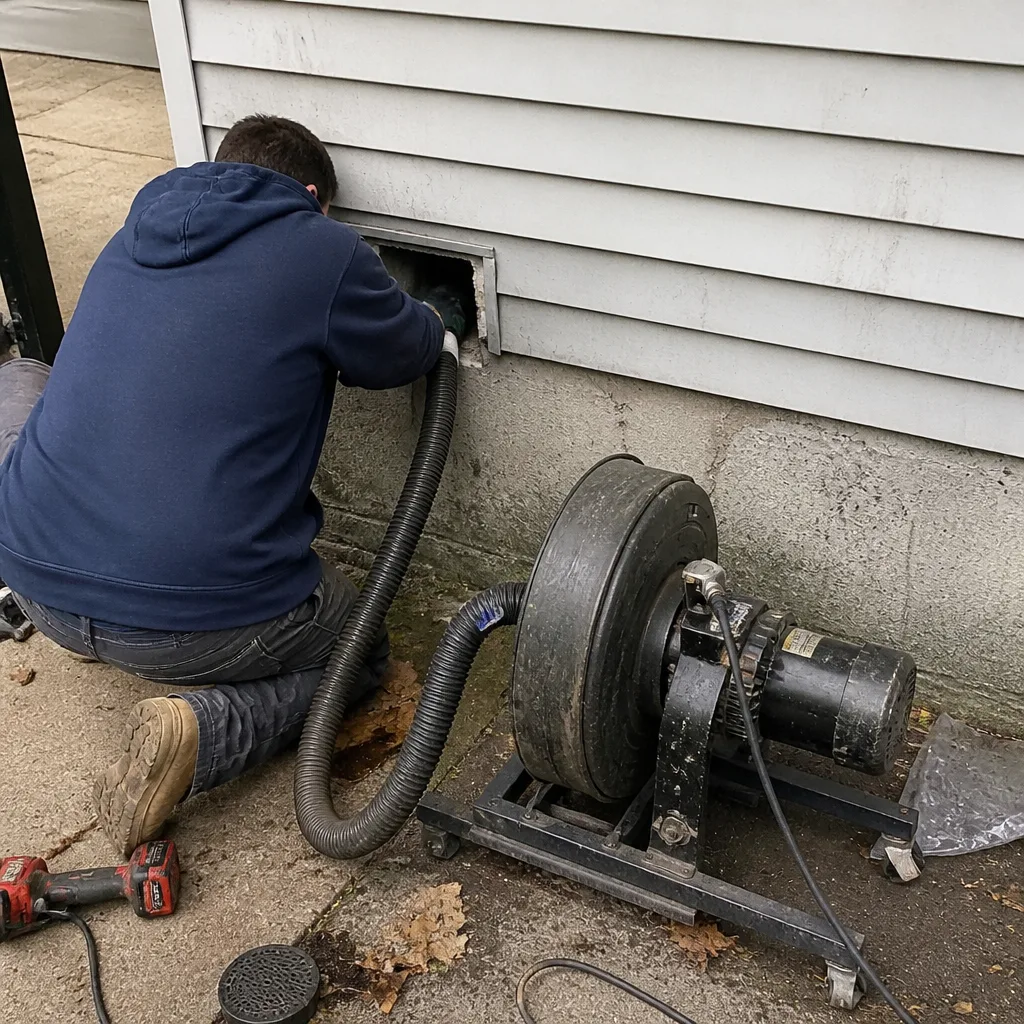
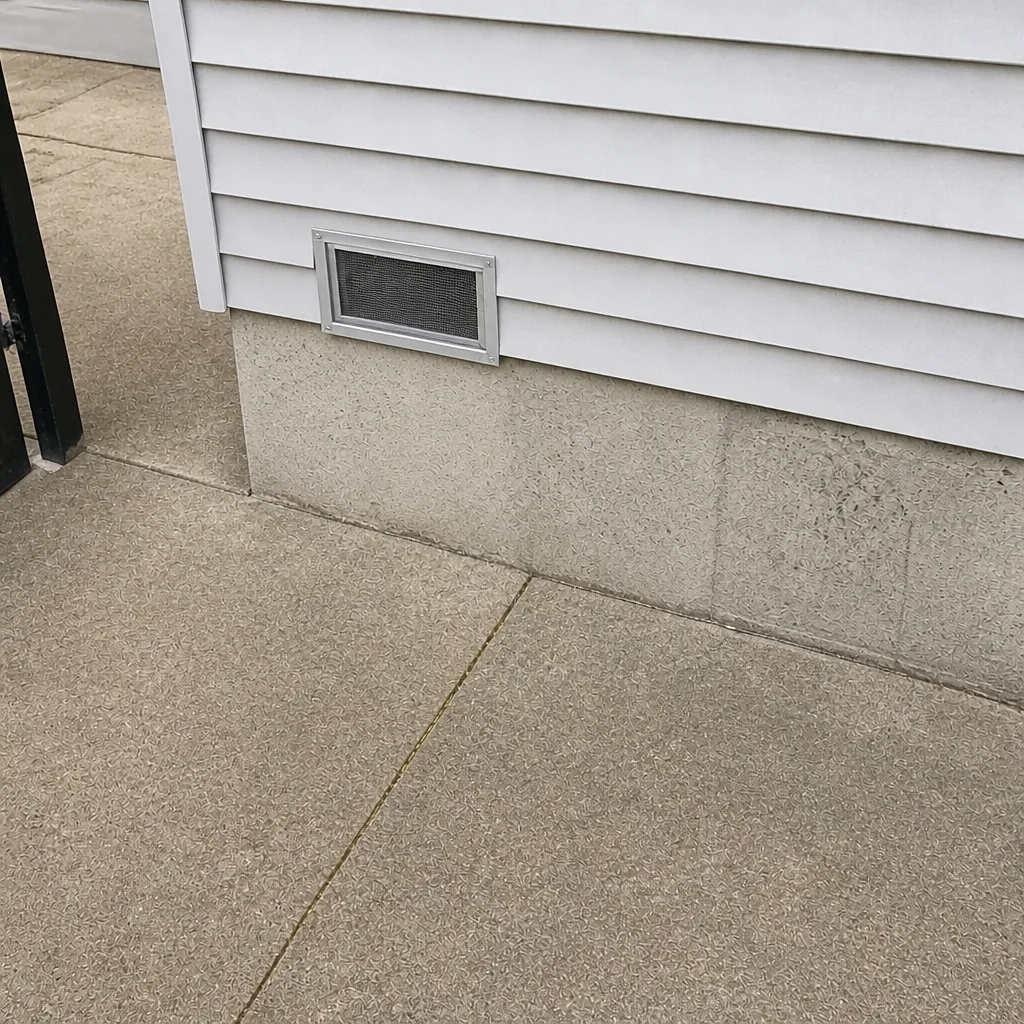
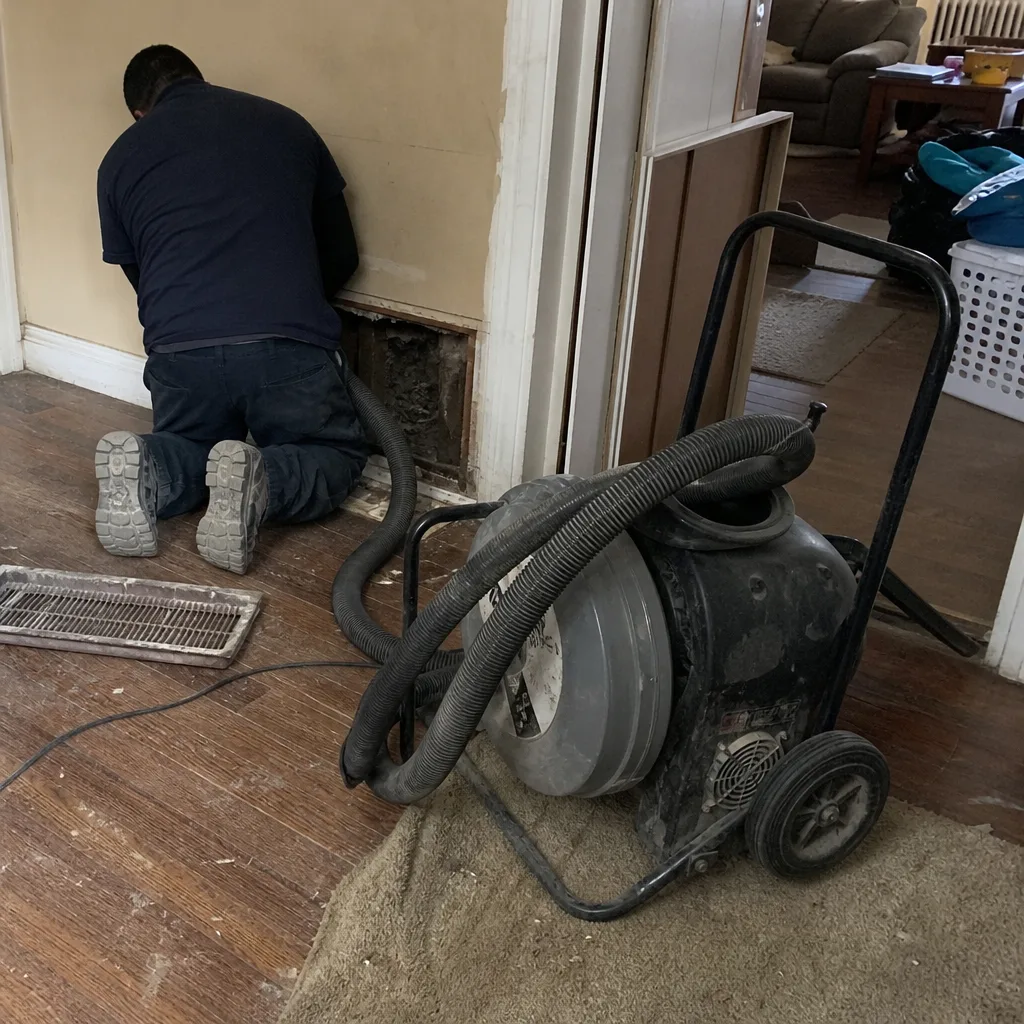
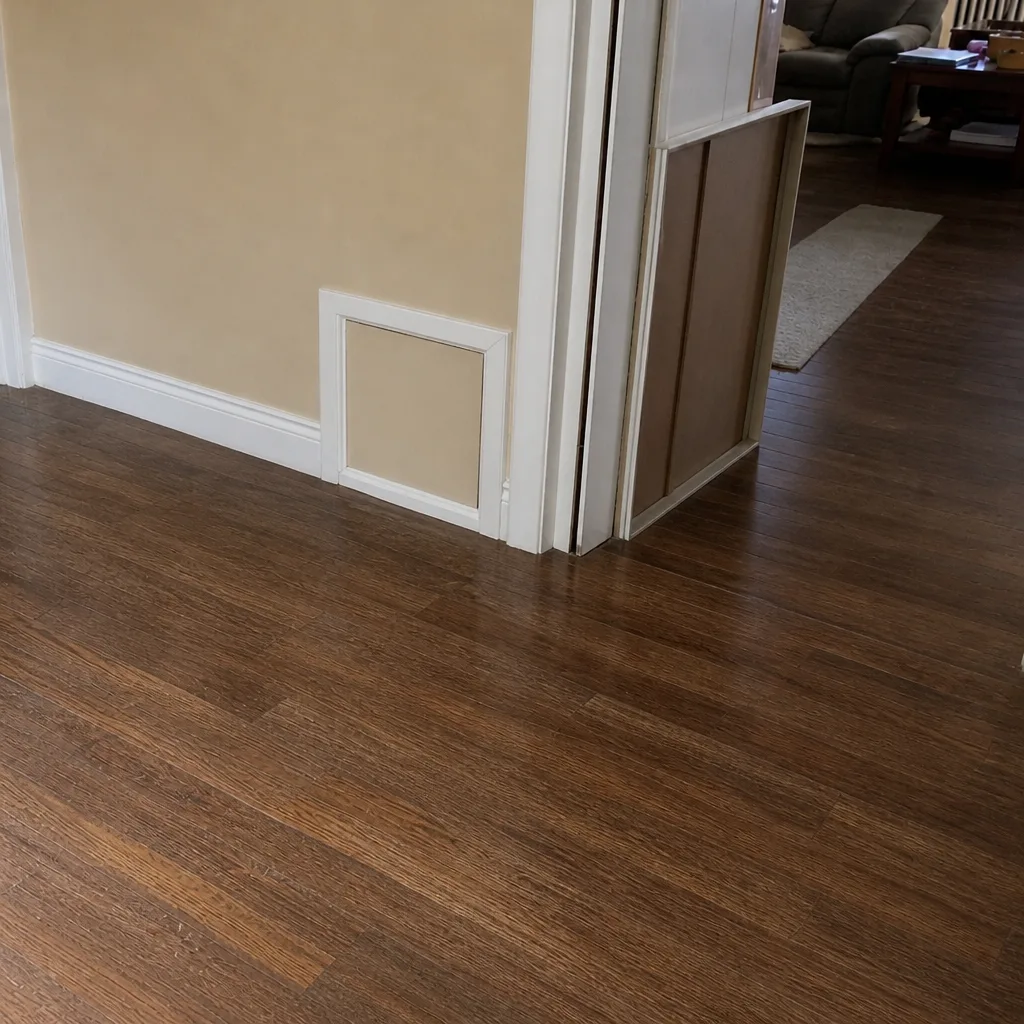
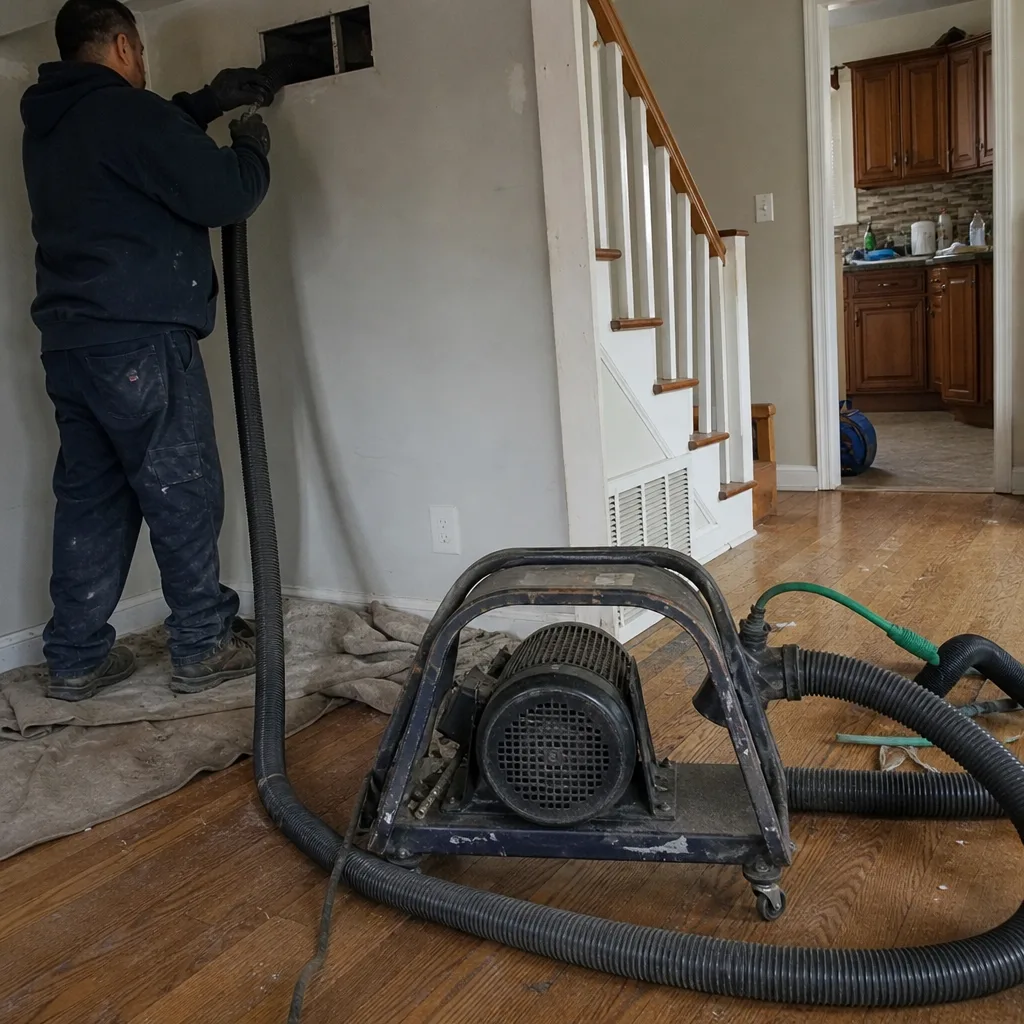
Whole-system duct and dryer vent check with before-and-after photos - you see exactly what came out of your vents
That "$99 whole-house special" is a bait ad - the real number appears once they are in your hallway, or the "clean" is a shop-vac at the register. We photograph the inside of your ducts before and after instead.
Air Duct Cleaning Maintenance Checklist for Williamsbridge Homeowners
Most homeowners treat air duct maintenance as a filter problem. Change the filter every few months, and the system is fine. But a filter is the least interesting part of the air pathway. A sagging flex duct in a basement ceiling, a supply boot that’s pulled loose behind a sheetrock wall, or condensation pooling around a register collar in July does far more damage to your indoor air than a dusty filter ever will. Those problems don’t announce themselves. They develop quietly until your energy bill climbs or someone in the house starts sneezing every morning. This checklist gives Williamsbridge homeowners a systematic way to inspect a duct system, log what’s normal, and catch deterioration before it becomes an emergency. You’ll get a room-by-room register protocol, visual red flags specific to local housing, maintenance intervals by household type, and a clear line between what you can document yourself and what needs a licensed technician.
Quick Answer
A homeowner air duct maintenance checklist should cover four things: a twice-yearly filter change with a written date, a quarterly walkthrough of every supply and return register, a visual inspection of accessible duct runs for sag, condensation, or rust, and a baseline airflow log by room so you can detect restriction early. Deep cleaning, duct sealing, and HVAC coil work belong to a technician. Everything else on this list you can do without tools in about twenty minutes.
Styles & brands we work with
- Whole-home duct cleaning
- Dryer vent cleaning
- Camera inspection
- Sanitizing & deodorizing
Table of Contents
- The Room-by-Room Register Inspection
- Visual Red Flags in Williamsbridge Housing
- Maintenance Intervals by Household Type
- How to Log Baseline Airflow by Room
- What You Can Do vs. What Needs a Technician
- The Dryer Vent Is Part of the Checklist
- A Seasonal Calendar for Williamsbridge
- Common Mistakes to Avoid
- When to Call a Professional
- Frequently Asked Questions
The Room-by-Room Register Inspection
A register inspection is the closest thing a homeowner has to a diagnostic tool. You’re not testing pressure or measuring static, you’re establishing a pattern. Once you know how the air feels and sounds at each register in its normal state, deviation becomes obvious. Walk the house with a notebook and go register by register. It takes about twenty minutes for a typical three-bedroom apartment or house.
At each supply register, hold your hand about six inches from the grille for ten seconds and note three things: whether air is moving, roughly how strong it feels compared to the last register, and whether the temperature matches what you expect from the system. At return grilles, listen more than you feel. A healthy return has a steady, quiet draw of air. A whistling or straining return is a restriction signal.
Write it down. A mental note is useless after a season passes. Keep a simple table in a notebook or phone note with a column for each room, the date, and one of three marks: normal, weaker than last time, or stronger than last time. After two cycles you’ll have a record that tells a technician something useful instead of a vague complaint that “some rooms feel cold.”
While you’re at each register, do a visual pass on the grille itself. Look for dust buildup on the face, discoloration around the edges, or debris visible through the slats. Dust on the front of a grille is normal and wipeable. Dust caked inside the grille, or visible debris sitting in the throat of the register, means air is pulling material past the boot and warrants a closer look.
One more habit worth building: photograph each register on the first pass. Comparing a photo from spring to a photo from fall is faster and more honest than memory, especially in a house with pets or heavy summer humidity. The photograph also gives a technician a starting reference if you do book a service visit.
This is the low-effort, high-information part of the checklist. Most duct problems announce themselves at a register long before they show up as a higher bill. The register walk-through is where you catch them.
Visual Red Flags in Williamsbridge Housing
Williamsbridge is dense residential housing stock, and that shapes what duct problems look like here. Basement ceilings are tight, supply runs are usually flex duct hung between joists, and return paths often share space with plumbing and electrical. Three specific visual flags matter most.
Flex duct sag in basement ceilings
Look up at the duct runs in a basement with a flashlight. Flex duct should hold a relatively smooth, gently curved shape between supports. A run that dips noticeably between hangers, or that’s pinched where it passes over a beam, slows airflow and collects dust at the low point. Sag isn’t automatically a repair, but significant sag on more than one run is worth flagging to a technician, who can check whether the duct has separated at a joint or simply lost a support.
Condensation around supply boots in humid summers
New York summers are humid enough that cold supply boots can sweat. Some condensation on the metal boot is normal. Persistent wetness, staining on the surrounding framing, or a musty smell near a boot is not. It usually means the boot is uninsulated, the connection to the flex duct is loose, or a supply is running too cold for its insulation level. This is one of the reasons summer is a bad time to skip a register inspection entirely. Warm indoor air meeting a cold, unsealed boot creates exactly the moisture conditions where mold growth starts.
Rust staining near return grilles
Rust or dark staining around a return grille is a moisture signal. It can come from a leak above, from condensation, or from a return pulling humid basement air across a cold surface. Don’t panic at first sight, but don’t ignore it either. A small stain that grows season to season tells you moisture is chronic, not incidental. Chronic moisture in a return path is a reason to have the system inspected, since it affects both air quality and the duct material itself.
In our experience, these three flags cover the majority of early-stage duct deterioration in Williamsbridge housing. None of them require tools to spot. All of them are cheaper to address early than late.
Maintenance Intervals by Household Type
There’s no single correct maintenance cadence. The right interval depends on how hard your household works the air system. Here’s how we think about it, based on what a technician typically sees on a first inspection.
- Two-person household, no pets, no allergies: filter change every three months, register inspection twice a year, professional system cleaning every three to five years depending on visible dust load.
- Household with one or more pets: filter change every six to eight weeks, register inspection quarterly, and a closer look at return grilles each time since pet hair collects there first. Professional cleaning tends to land closer to the two-to-three-year mark.
- Household with allergy or asthma sufferers: filter change monthly in peak pollen and heating season, register inspection quarterly, and annual visual inspection of accessible duct runs. Air sanitizing is worth discussing with a technician on a set cadence rather than reactively.
- Smoking household: filter change monthly, and register inspection quarterly with attention to staining on grille faces. Duct cleaning intervals tighten considerably, since smoke residue coats duct walls and doesn’t clear with filtration alone.
- Property-management portfolio: a documented annual inspection per unit, with register walk-throughs between tenant turnovers. Baseline airflow logs per unit make turnover diagnostics much faster.
The pattern behind all of this: filtration handles what’s in the air, cleaning handles what’s settled on duct surfaces, and inspection catches the moment between those two. Households with higher particulate load need all three on tighter cycles. A single person in an apartment with no pets can run a leaner schedule without risk, provided they still log the register inspection so they’d notice a change.
How to Log Baseline Airflow by Room
A baseline airflow log turns a subjective “the bedroom feels stuffy” into something measurable. You don’t need instruments. You need a repeatable method and a written record.
- Pick a consistent condition. Run the system on the same setting every time you log, ideally on a day with similar outdoor temperature to your last entry. Logging once in a hot July and once in a cold January gives you two different baselines and no comparison.
- Use a fixed hand position. Hold your hand palm-down about six inches from each register for ten seconds. Assign a 1 to 5 on feel alone, where 3 is your normal. Consistency matters more than accuracy.
- Add a tissue test for weak registers. A single ply of tissue held near a supply grille will flutter visibly if air is moving. If it doesn’t flutter at a register where it once did, that’s a restriction signal worth writing down.
- Record the sound. Note whether the return is quiet, audible, or whistling. Sound changes at a return are the earliest indicator of a blocked filter or an obstruction in the return path.
- Log the filter date alongside the register data. If several registers drop at once and the filter is also near the end of its cycle, the filter is the likely cause. If one register drops while the rest are steady, the problem is downstream of the filter, usually in that branch run.
- Compare at the next cycle. A single room dropping one point is a mild flag. Two rooms dropping together is a system-level change. Three or more means it’s worth a professional look.
Keep the log somewhere durable. A laminated sheet taped inside a utility closet works well and survives a basement.
One clarification: hand-feel testing is a screening tool, not a measurement. A technician with a manometer gets real static pressure readings. Your log’s job is to tell you when to make that call.
What You Can Do vs. What Needs a Technician
Knowing the line matters as much as the checklist itself. Attempting technician work on a duct system can loosen a joint you can’t see or damage flex duct that’s already fragile. Here’s the split we’d draw for any Williamsbridge homeowner.
Safe for a homeowner (documentation and light upkeep)
- Changing filters on schedule and writing the date on the filter or log.
- Register walk-throughs and hand-feel airflow scoring.
- Vacuuming the face of supply and return grilles with a brush attachment.
- Photographing registers and accessible duct runs each season.
- Visual inspection of exposed basement or attic duct with a flashlight.
- Cleaning the dryer vent’s exterior flapper area and checking for lint accumulation.
Needs a licensed technician
- Removing registers to inspect inside the boot or clean the duct interior.
- Any work on flex duct connections, hangers, or joints.
- Sealing duct runs, including mastic or foil tape repairs at joints.
- Cleaning the HVAC air handler, evaporator coil, or blower assembly.
- Sanitizing or fogging duct interiors and adding air-quality devices.
- Any electrical work at the air handler or on a wired component.
That split is not a marketing line, it’s a practical one. Documentation is cheap and useful. Deep work on the air pathway carries real risk of making a small problem worse if the person doing it isn’t trained for it. When you’re ready for that level, Air Duct Cleaning Williamsbridge handles cleaning, repair, sealing, and sanitizing in one visit.
The Dryer Vent Is Part of the Checklist
Every duct maintenance checklist should include the dryer vent, and most don’t. The dryer vent is a duct. It carries hot, lint-laden air out of the house through a long, twisting path with at least two elbows in a typical installation. When it clogs, it’s a fire risk, and it’s one of the leading causes of residential fires. That’s the safety case. The practical case is that a restricted dryer vent extends dry cycles, overheats the appliance, and eventually forces an early replacement.
Homeowner checks that help: pull the dryer out and vacuum the lint trap housing and the short flex section behind the appliance, check the exterior flapper for full opening and free swing, and watch for lint accumulation around the outside hood. What you should not do is run a long brush or rod through the full vent line yourself. It’s common to push lint into a worse position, or to disconnect a joint inside a wall. Full dryer vent clearing with the right equipment is a technician job.
Frequency: at minimum once a year for a two-person household, and more often with heavy dryer use. If you catch yourself running two dry cycles for one load, the vent is already restricting. Pick a date, put it on the calendar alongside the filter change, and stick to it. This is a check that’s easy to forget and expensive to skip. Our dryer vent cleaning service exists precisely because so many homeowners discover the problem after a load takes twice as long to dry.
A Seasonal Calendar for Williamsbridge
A calendar sounds fussy until you miss a cycle and can’t tell when. Williamsbridge seasons have distinct load profiles, and matching the checklist to them keeps it realistic.
- Early spring (heating season ending): change the filter, do the full register walk-through, compare against the last log entry, photograph each register. Spring is when winter dust load shows up and when you’ll first see condensation traces from the previous summer.
- Late spring (cooling season starting): clean grille faces, check return grilles for pet hair or debris, and confirm the dryer vent flapper opens fully. If the register log shows a room dropping temperature slowly, this is the window to book a professional inspection before the peak heat.
- Mid-summer: this is the condensation window in Williamsbridge. Check supply boots in basements and lower floors for wetness, staining, or musty odor. If any appear, get a technician’s eyes on it before fall.
- Early fall (heating season starting): change filter, full register walk-through, check for new rust staining near return grilles. This is also the natural point to schedule any professional duct cleaning, since it resets the season with a clean system.
- Late fall / early winter: confirm the dryer vent flapper isn’t frozen shut, recheck for any staining that appeared in summer, and log the filter date. This cycle keeps you ahead of the season when the system runs hardest.
The seasonal calendar isn’t just tidy, it’s diagnostic. Each season catches a different failure mode, and repeating the same checks at the same time of year makes deviation obvious.
Common Mistakes to Avoid
- Treating the filter as the whole maintenance plan. A clean filter doesn’t compensate for a sagging flex duct or a loose boot. In our experience, homeowners who do nothing but change filters are the ones who discover duct problems years later, usually during a renovation.
- Cleaning duct interiors yourself with a shop vac. A consumer vacuum can’t generate the airflow to move settled dust out, and it can push debris into joints instead. It looks productive and usually isn’t.
- Sealing duct joints with duct tape. The cloth-backed tape you buy in a hardware store fails at the temperature and humidity swings a real duct system sees. Sealing belongs to a technician using the right mastic or foil products.
- Skipping the register inspection because the system “feels fine.” Feeling fine is the baseline, not the check. The whole point is to notice the moment a room stops feeling like it used to.
- Ignoring a musty smell near a supply boot. In Williamsbridge summers, a musty smell around a boot usually tracks to condensation and can indicate early mold conditions in the duct path. That warrants a professional look, not an air freshener.
- Forgetting the dryer vent for years. The dryer vent doesn’t get inspected during a standard HVAC service. It needs its own spot on your calendar.
- Assuming a cheap duct cleaning quote is a bargain. Very low initial pricing often signals work that will be padded on-site or a service that skips critical steps. Whole-system pricing agreed before work starts is a better deal than a low number that climbs.
When to Call a Professional
Call a professional when the register log shows a system-level change (two or more rooms dropping together), when you see chronic moisture, rust staining, or a musty smell near any register or boot, when you can see visible debris inside a duct run through a grille, or when it’s been three years or more since the last full system cleaning. Also call if you’ve recently moved into a home whose duct history is unknown. None of these are emergencies, but each is a reason to get a trained eye on the system before smaller issues get more expensive.
Air Duct Cleaning Williamsbridge offers free estimates in Williamsbridge. We use professional-grade equipment from Rotobrush and Nikro, and we work with Honeywell and Aprilaire air-quality products when a home needs filtration or sanitizing beyond a standard clean. Our technicians have up to 13 years of experience. Call (844) 443-3861. We answer 24/7. Fast dispatch from 7am to 7pm, Sunday through Friday.
Frequently Asked Questions
At minimum: a dated filter change every three months, a register walk-through twice a year, a visual inspection of accessible duct runs each season, an airflow log by room, and a yearly dryer vent check. Add quarterly register checks if you have pets or allergies. Everything on that list can be done without tools.
Every three to five years for most households, and every two to three years for homes with pets, smokers, or allergy sufferers. Recent renovation work or a move into a home with unknown duct history is a reason to do it sooner. Call (844) 443-3861 for an exact quote on your system. Estimates are free.
You can safely inspect what’s visible through registers and exposed duct in a basement or attic. You shouldn’t remove registers to look inside a boot or disassemble duct connections. If your visual inspection turns up sag, moisture, or debris you can see inside a run, call a technician.
A single room feeling stuffy while the rest of the system performs usually points to a branch-run problem: a sagging flex duct, a disconnected supply boot, or a register partially closed somewhere upstream. It’s a diagnostic worth handing to a technician rather than guessing at.
Yes. The dryer vent is a duct, and lint accumulation in it is one of the leading causes of residential fires. A restricted vent also runs up your energy use and shortens the dryer’s life. Check it yearly at minimum, more often if a load takes two cycles to dry.
Pricing depends on system size, number of runs, and the condition of the duct. Whole-system pricing is set per job by a written estimate before work starts, so there are no surprises on-site. Call (844) 443-3861 for an exact quote. Estimates are free.
Cheap quotes often cover only a partial clean, or they’re designed to be padded with add-ons once the technician is on site. Whole-system pricing agreed before work starts, with before-and-after photos of your own ducts, is a better comparison than a low starting number.
Ask for before-and-after photos of your own ducts, taken during the work. Any legitimate service will provide them. Assuming work happened based on a technician’s word alone, without documentation, is where most complaints about duct cleaning originate.
The Bottom Line
Duct maintenance isn’t a filter schedule. It’s a documented inspection routine that catches problems while they’re still cheap. Run the register walk-through on a set cadence, log airflow by room, watch for the three Williamsbridge flags (flex duct sag, supply boot condensation, rust near returns), and keep the dryer vent on its own calendar. Everything you can do yourself is in this guide. Everything else belongs to a technician with the equipment to clean, seal, and sanitize the full air pathway. When you’re ready, our air duct cleaning and HVAC cleaning services are built to reset the whole system in one visit.
Written by the team at Air Duct Cleaning Williamsbridge.
See the difference
 Before
 After
 Before
 After
 Before
 After