
Last updated November 22, 2026
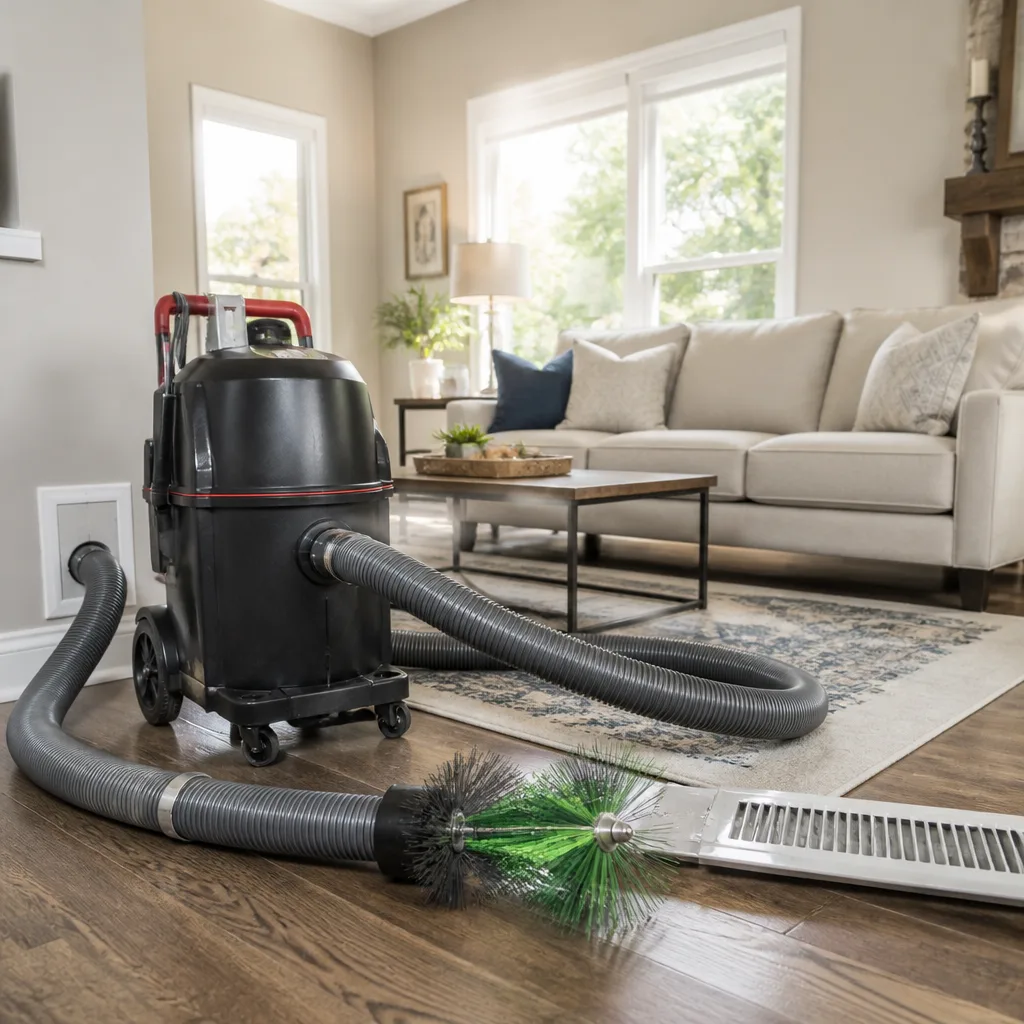 Whole-home duct cleaning
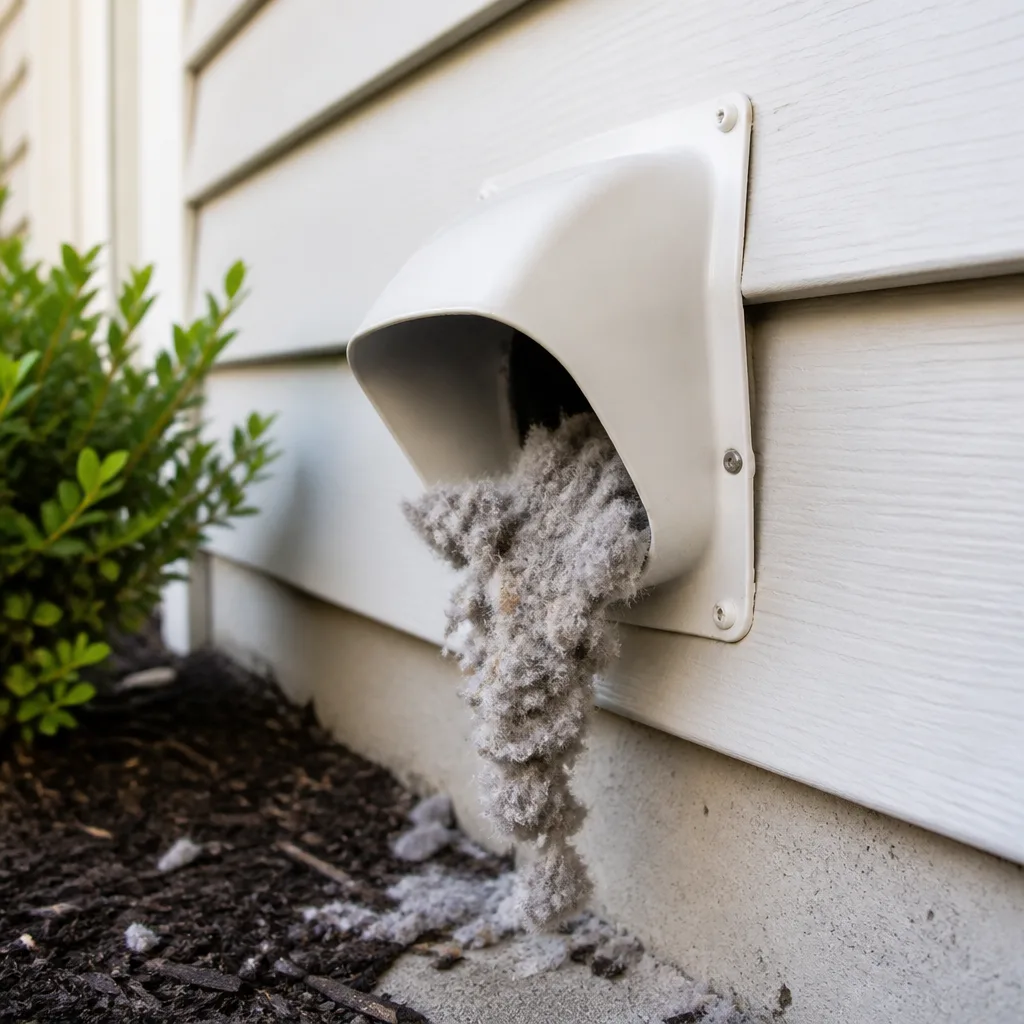 Dryer vent cleaning
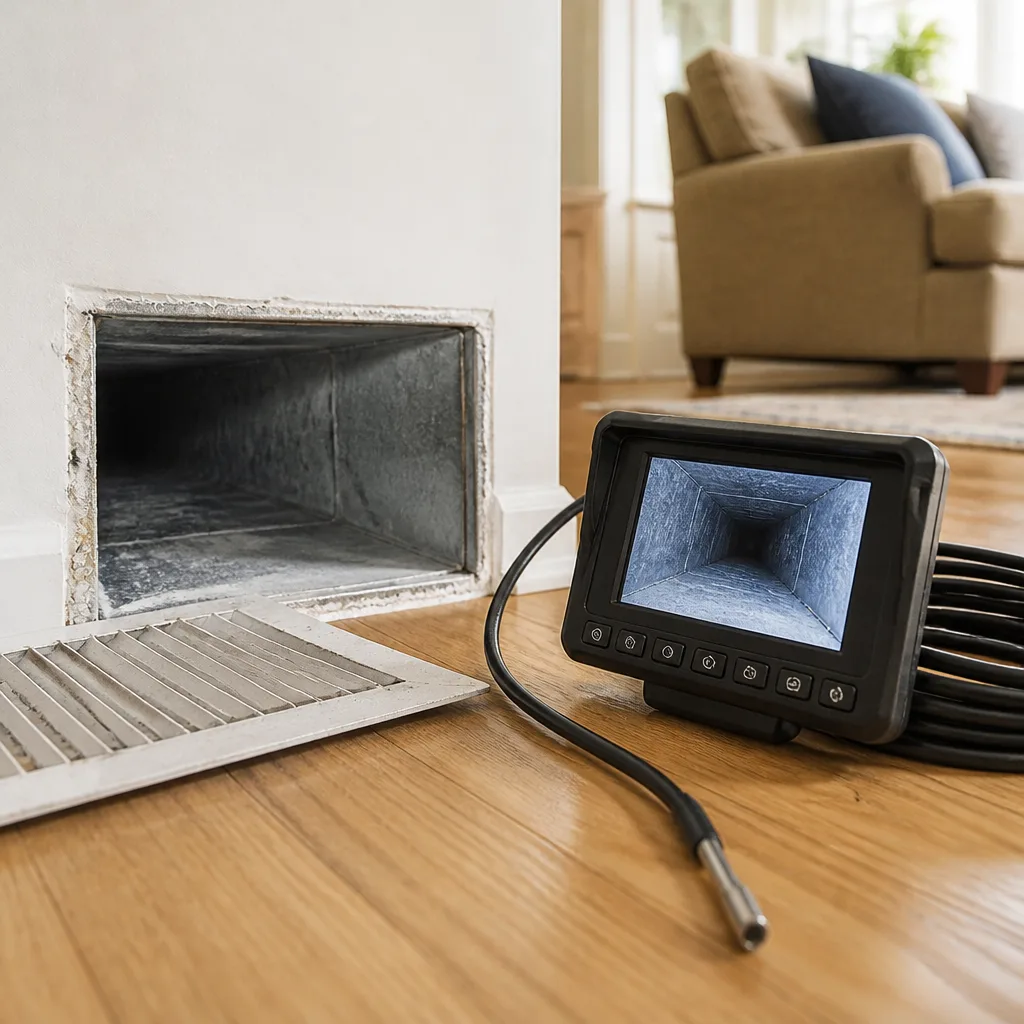 Camera inspection
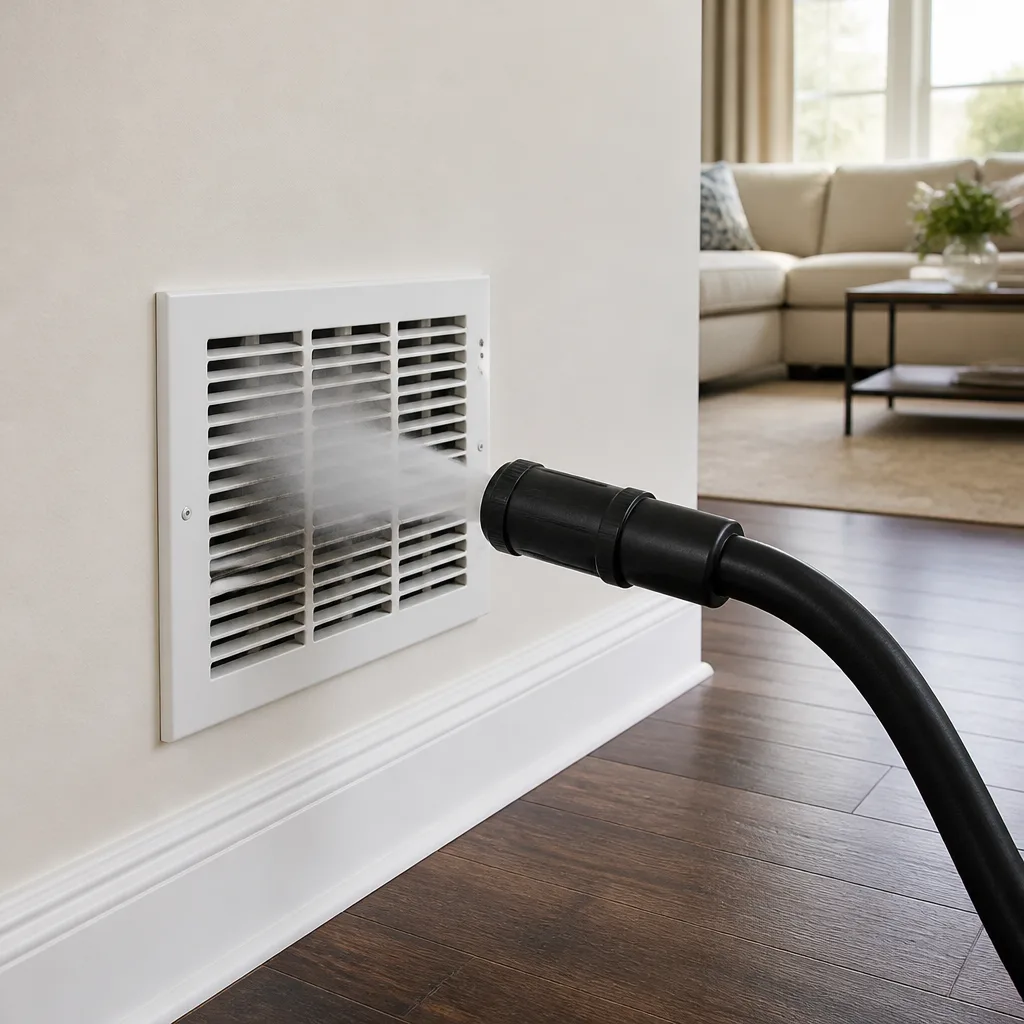 Sanitizing & deodorizing
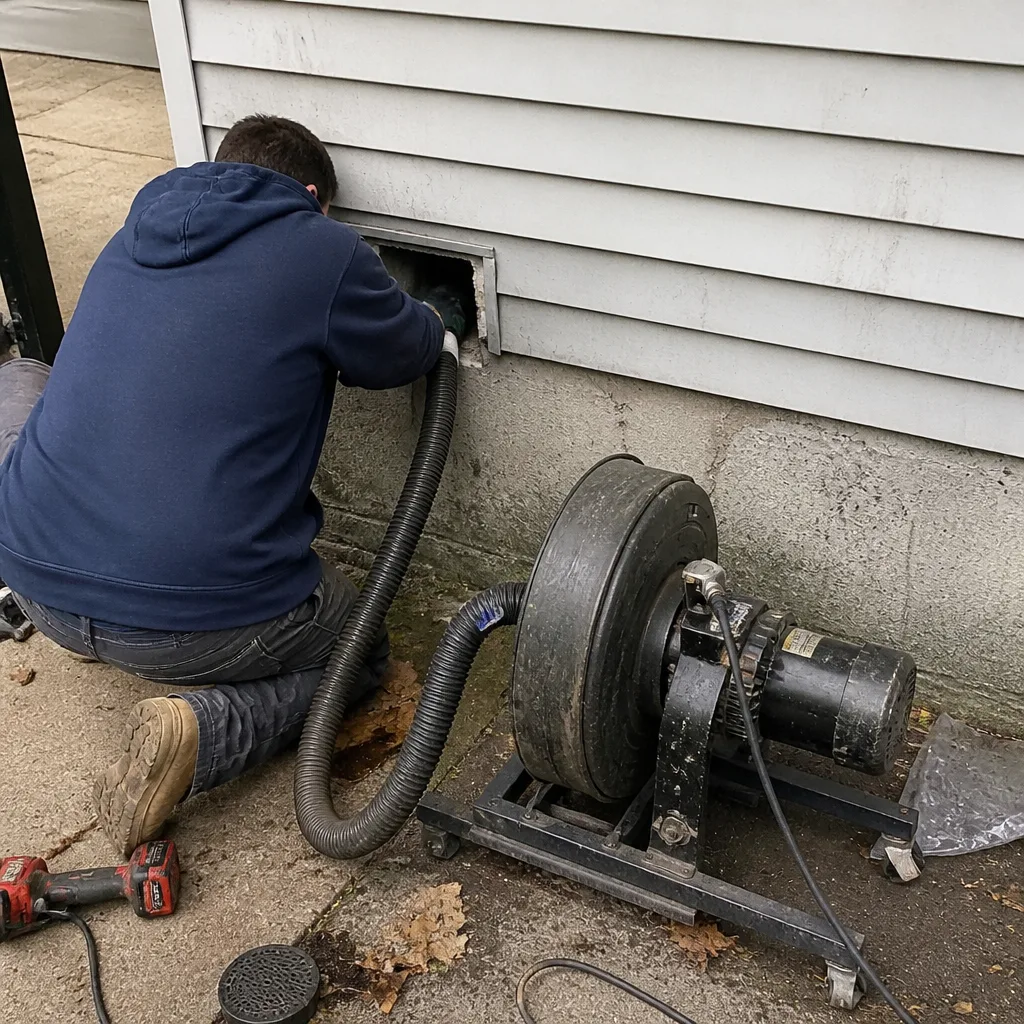
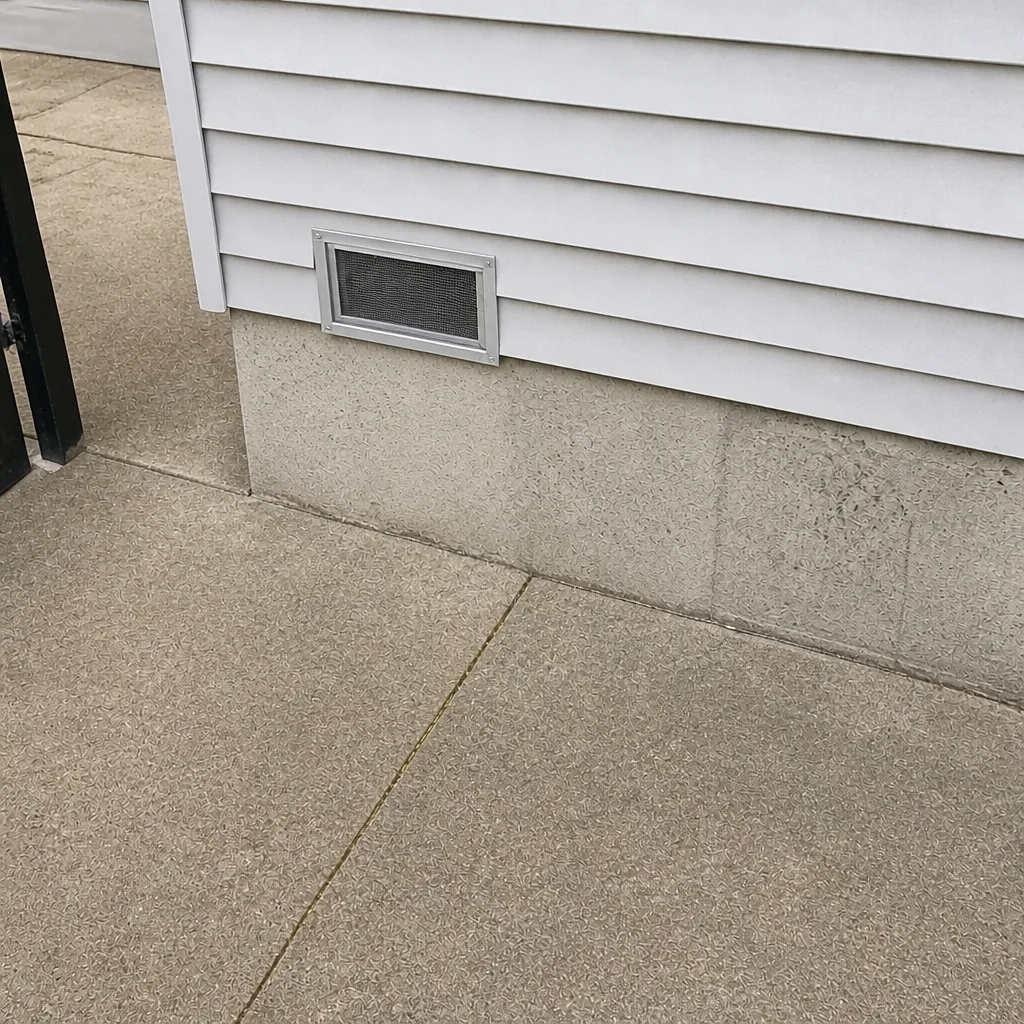
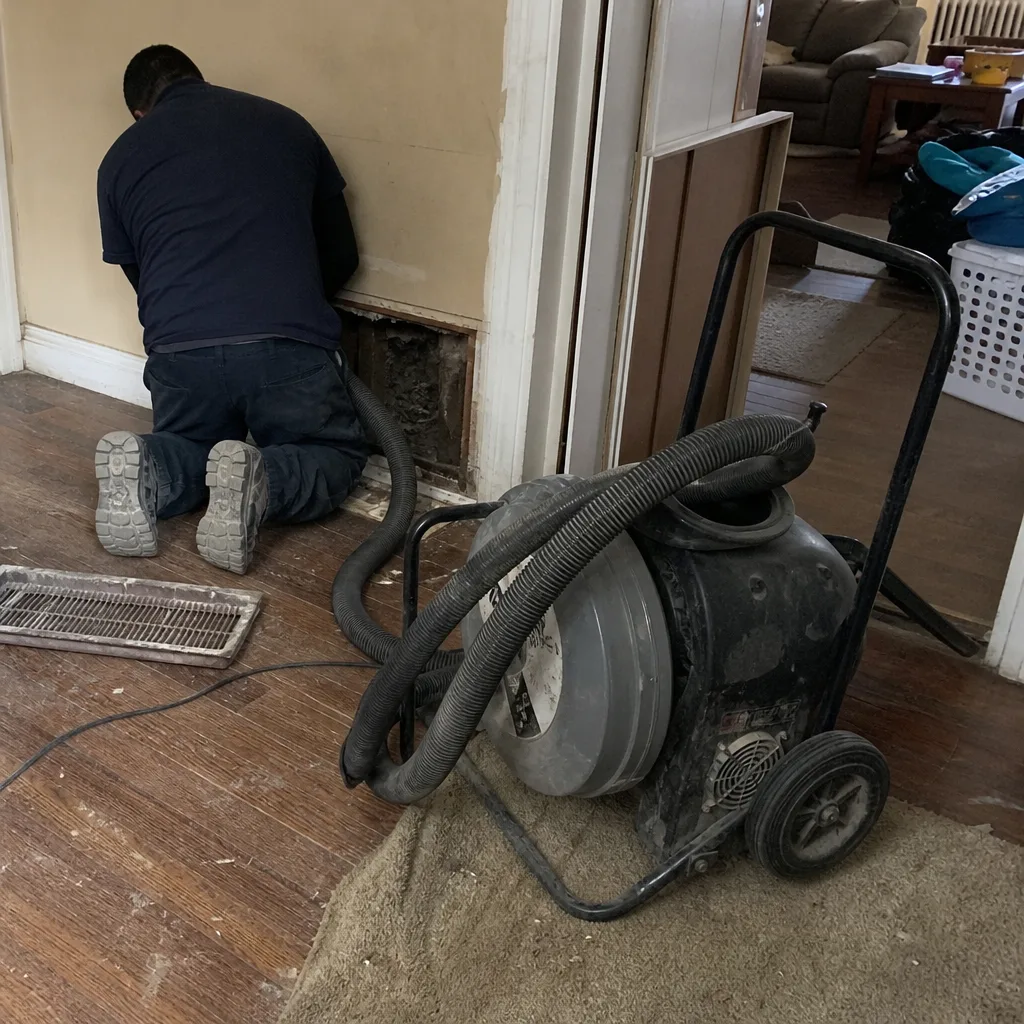
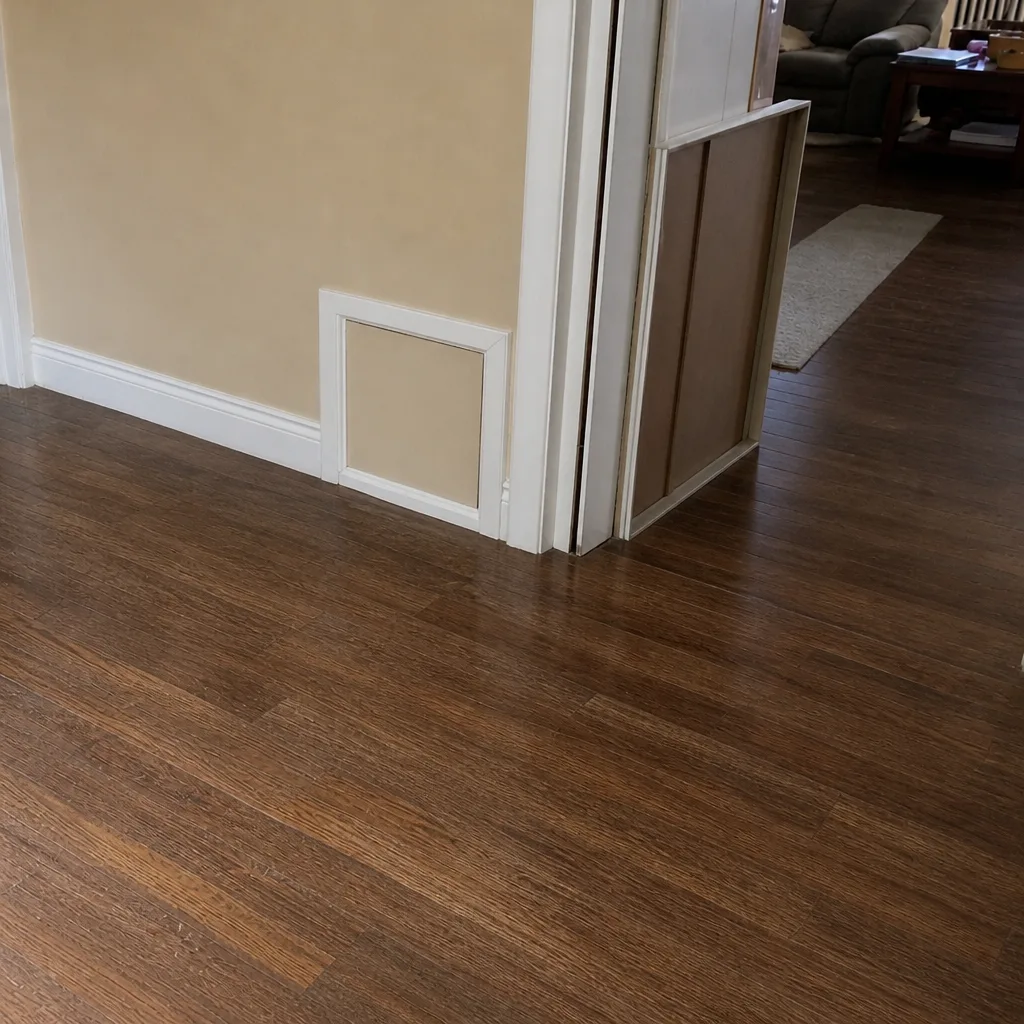
Whole-system duct and dryer vent check with before-and-after photos - you see exactly what came out of your vents
That "$99 whole-house special" is a bait ad - the real number appears once they are in your hallway, or the "clean" is a shop-vac at the register. We photograph the inside of your ducts before and after instead.
Air Duct Cleaning Permits, Codes & Inspections in Williamsbridge, NY: What You Need to Know
Most people assume duct work never touches the building department. That’s true for cleaning, and it’s false the moment a contractor cuts, replaces, or seals a section of duct. Here’s the counterintuitive part: the homeowner usually carries the permit risk, not the contractor who skipped the filing. If unpermitted mechanical work surfaces during a future home sale inspection in Williamsbridge, the paperwork problem lands on your side of the table. This guide draws the line clearly. You’ll learn when cleaning stays permit-free, when mechanical work crosses into NYC Building Code territory, what a DOB mechanical permit actually involves, how asbestos rules apply to older Bronx homes, and what documents to keep afterward.
Quick Answer
Routine air duct cleaning in New York does not require a permit. Mechanical work on the duct system – replacing duct runs, sealing significant areas with mastic, or modifying HVAC components – generally does require a DOB mechanical permit filed by a licensed contractor, with inspection and sign-off. If your Williamsbridge home was built before 1980 and the ducts have insulation, an asbestos survey may be required before anyone disturbs the system.
Styles & brands we work with
- Whole-home duct cleaning
- Dryer vent cleaning
- Camera inspection
- Sanitizing & deodorizing
Table of Contents
- Cleaning vs. Mechanical Work: Where the Line Sits
- NYC Building Code Section 304 and Duct Work
- What a DOB Mechanical Permit for Ductwork Actually Requires
- Local Law 97, Energy Code, and Duct Sealing in Bronx Multifamily Buildings
- Asbestos Surveys Before Cleaning Pre-1980 Duct Systems
- What a Duct Inspection Looks Like and Who Signs Off
- Documents to Keep After Any Duct Work
- Why Williamsbridge Housing Stock Makes This Matter
Cleaning vs. Mechanical Work: Where the Line Sits
The permit question starts with a simple distinction: are you removing debris, or are you altering the system? Cleaning removes dust, debris, and buildup from inside the duct pathway. It doesn’t change the physical system, so it doesn’t trigger a filing. Mechanical work changes the system – new duct sections, sealed joints, replaced components, reconfigured runs. That’s where NYC code steps in. In our experience, this is the single point where homeowners get surprised, because a job sold as “cleaning and sealing” can quietly include mechanical work.
Here’s how the categories usually split:
- Standard cleaning: Negative-pressure vacuuming, agitation of duct interiors, and collection of debris. No permit.
- Light joint sealing: Small touch-ups at accessible seams. Generally no permit, though it depends on scope.
- Mastic sealing over significant areas: Sealing extended duct runs to reduce leakage. Usually mechanical work.
- Duct replacement or new runs: Cutting in new ductwork or replacing damaged sections. Mechanical work, permit required.
- HVAC component modification: Changes to air handlers, plenums, or connected equipment. Mechanical work.
For a routine whole-system clean in Williamsbridge, you’re in the first category and there’s no paperwork to file. When a duct has collapsed, disconnected at a joint, or been crushed behind a finished wall, the repair side of the job begins and the code conversation changes. That’s why we separate the two in every estimate: cleaning is cleaning, and mechanical work is mechanical work. If you want a whole-system clean that stays on the cleaning side of the line, our air duct cleaning service covers the full pathway without altering it.
NYC Building Code Section 304 and Duct Work
NYC Building Code Section 304 governs mechanical work in the city, and duct replacement, extended mastic sealing, and HVAC modification fall within its scope. Section 304 isn’t a single sentence; it’s the framework that establishes when mechanical alterations require permits, inspections, and licensed professionals. The practical takeaway for a Williamsbridge homeowner: if the job changes the physical air system, assume a permit is required until a licensed contractor tells you otherwise in writing.
What counts as mechanical alteration under this framework:
- Removing and replacing a section of rigid or flex duct.
- Adding a new branch run or rerouting an existing one.
- Sealing extended duct surfaces with mastic compound for leakage reduction.
- Modifying a plenum, air handler connection, or connected HVAC component.
- Changing duct sizing or configuration that affects airflow balance.
What doesn’t:
- Cleaning the interior of the duct system with professional vacuum and agitation equipment.
- Sanitizing the air pathway with approved products after cleaning.
- Replacing filters, registers, or grilles without altering the duct structure.
- Clearing a dryer vent.
Bronx two-family and multifamily buildings add another layer because the work may touch shared systems, and a permit filing can trigger review of how the ducts serve multiple units. On a property-management side, this matters for scheduling: permit work happens on a different timeline than a clean. If you manage a building in Williamsbridge and want the cleaning side handled without disruption to tenants, our HVAC cleaning service fits inside a scheduled maintenance window.
What a DOB Mechanical Permit for Ductwork Actually Requires
A DOB mechanical permit for ductwork is filed by a licensed contractor, not the homeowner, and it follows a defined sequence from application to sign-off. Filing is the contractor’s responsibility, and the homeowner’s role is to verify the permit was pulled before work begins. The sequence looks like this:
- Licensed contractor files the application. The filing identifies the scope of mechanical work, the address, and the license of the contractor performing it.
- Permit is issued. Work can’t legally begin until it’s issued. If a contractor starts cutting duct before the permit exists, that’s a red flag.
- Work proceeds and inspection is scheduled. The DOB inspection confirms the work matches the filed scope and meets code.
- Sign-off is issued. This is the document that closes the permit and proves the work was inspected and approved.
For a Williamsbridge homeowner, the practical steps are:
- Ask for the permit number before the contractor starts.
- Keep the permit number and the sign-off with your home records.
- Verify the license of the contractor filing, not just the crew on-site.
One thing to be clear on: cleaning doesn’t require this process, and a company that only cleans doesn’t file permits. If a job involves a mechanical alteration, the licensed contractor performing that work is the one who files. In our own work we stay on the cleaning, sealing, and sanitizing side of the line, and we’ll tell you plainly when a job needs a licensed mechanical contractor instead. Our technicians have up to 13 years of experience, and they know the difference.
Local Law 97, Energy Code, and Duct Sealing in Bronx Multifamily Buildings
Local Law 97 sets carbon emission limits for large buildings in New York City, and duct sealing intersects with it because leaky ducts waste conditioned air. Sealed ducts deliver air more efficiently, which reduces the energy a building consumes to heat and cool the same space. For multifamily properties in the Bronx, that connection matters: the energy code treats duct leakage as a real performance issue, not a cosmetic one. When a property manager weighs the cost of duct sealing against the building’s emissions obligations, the sealing work earns its place.
Where this touches permits:
- Extensive mastic sealing in a multifamily building is mechanical work and typically requires a permit.
- Sealing is often folded into a larger mechanical scope, so the permit filing covers both.
- Any work affecting shared building systems may need additional review beyond the standard filing.
Local Law 97 also pushes property managers toward documented maintenance. Sealed, clean ducts support the energy reporting a building already has to produce. If you manage a multifamily building in Williamsbridge and want the cleaning and sanitizing portion documented, that’s a service we handle. We use professional equipment from Rotobrush and Nikro, and we integrate Honeywell and Aprilaire filtration solutions into service calls so the system is documented as a whole. That record is useful when a building manager needs to show maintenance activity alongside energy compliance.
Asbestos Surveys Before Cleaning Pre-1980 Duct Systems
If your Williamsbridge home was built before 1980 and the duct system has insulation, an asbestos survey may be required before any cleaning that disturbs the material. This is a real risk, not a technicality. Older duct systems sometimes used asbestos-containing insulation or wrap, and disturbing it during cleaning can release fibers into the air pathway. NYC DEP regulations govern how asbestos is identified and handled, and the survey is how a contractor confirms whether the material is present before anyone puts a vacuum or brush to it.
What the process looks like:
- Identify the age of the system. Pre-1980 construction raises the flag; it doesn’t automatically mean asbestos is present, only that it may be.
- Have a survey done before cleaning. A qualified inspector samples and tests suspect material.
- Review the result. If asbestos is present, cleaning may need to pause while abatement is planned by a licensed abatement contractor.
- Proceed once cleared. If the material tests clean, standard cleaning can move forward.
We ask about the age of the home before scheduling a whole-system clean in Williamsbridge for exactly this reason. It protects the homeowner and it protects the work. If the survey flags asbestos, we’ll tell you to stop and bring in an abatement contractor – that’s outside what air duct cleaning does, and pretending otherwise would be a risk we won’t take.
What a Duct Inspection Looks Like and Who Signs Off
A duct inspection after mechanical work is a DOB process, while a duct inspection during a cleaning job is something the cleaning company should do with you before and after. They’re different things, and confusing them is common. Here’s how to tell them apart:
- DOB inspection: Performed by the Department of Buildings after mechanical work, confirming the work matches the filed scope. Sign-off is the final document.
- Pre-clean inspection: Performed by the cleaning company using a camera, confirming the system’s condition and identifying damage before cleaning starts.
- Post-clean inspection: Performed by the cleaning company using before-and-after photos, confirming what was removed from the system.
For cleaning jobs, we use camera inspection and before-and-after photos of your own ducts so you can see what changed. That’s the proof that the work happened. We don’t expect anyone to take a receipt as evidence. For mechanical work that includes a DOB permit, the sign-off from the department is the document that closes the file, and it’s the one you keep.
In Williamsbridge’s mix of pre-war and mid-century homes, camera inspection often finds disconnected joints or crushed runs behind finished walls. Those are mechanical issues that a clean can’t fix, and they need a licensed contractor. We surface them so they don’t go unnoticed.
Documents to Keep After Any Duct Work
Keep every document from any duct work, for three reasons: insurance, resale, and DOB compliance. The file is small and the payoff is large. Here’s what belongs in it:
- Permit number for any mechanical work, along with the contractor’s license information.
- DOB sign-off showing the inspection was completed and approved.
- Before-and-after photos of the duct system from a cleaning job.
- The written estimate and final invoice describing the scope of work performed.
- Asbestos survey results if the home is pre-1980 and a survey was done.
- Sanitizing product documentation if a sanitizing step was part of the job.
For a future home sale in Williamsbridge, a buyer’s inspector will look for unpermitted mechanical work. A clean paper trail showing permit, sign-off, and scope solves that problem before it starts. For insurance, the same file shows a homeowner took documented steps to maintain the system. That’s not a small thing when a claim involves air quality or fire risk. A dryer vent fire risk is reduced with documented cleaning, and the record proves it was addressed.
Why Williamsbridge Housing Stock Makes This Matter
Williamsbridge sits in the north Bronx, and its housing stock is a mix of early-to-mid-twentieth-century homes and multifamily buildings. The age of the housing is the reason the permit and asbestos questions come up here rather than being purely theoretical. Older duct systems in Williamsbridge are more likely to have insulation wraps, more likely to have been patched by previous owners, and more likely to have sealed or crushed runs hidden behind finished walls. That history creates exactly the conditions where cleaning and mechanical work intersect.
Bronx winters are cold enough that heating systems run hard, and a leaky duct system loses heated air into unconditioned space. Sealing improves that, but extensive sealing is mechanical work. So the same homeowner who wants to save energy hits the permit question. Knowing the distinction ahead of time prevents an expensive surprise mid-project.
The other local factor is building type. In a two-family, duct work may serve both units; in a multifamily building, it likely serves shared systems. Both cases make the paper trail more important. A documented clean, a documented permit, and a documented sign-off are what keep a future sale or a management review from turning into a headache.
If you’re a homeowner who wants the cleaning side handled and the mechanical side identified, we can help. If you manage a property and want the full air pathway – ducts, dryer vents, and HVAC – documented in one visit, our dryer vent cleaning and duct cleaning services run as a single scheduled job. And if the job crosses into mechanical territory, we’ll say so and point you to a licensed contractor.
Common Mistakes to Avoid
- Assuming “cleaning and sealing” is one permit-free job. Light touch-up sealing usually isn’t mechanical work, but extended mastic sealing is. Ask which one your contractor is planning.
- Letting a contractor cut duct before the permit is issued. If the permit exists, ask for the number first and confirm it matches the address and scope.
- Skipping the asbestos survey on a pre-1980 home. Cleaners who start on an old insulated system without checking can disturb material that shouldn’t be touched.
- Keeping only the receipt. A receipt shows a payment. A permit number, sign-off, and before-and-after photos show the work was done and approved.
- Hiring a cleaner to fix structural duct damage. A collapsed or disconnected run is mechanical work, and a cleaning company that offers to patch it without a permit is doing you no favors.
- Ignoring dryer vent cleaning because it’s “just a vent.” A clogged dryer vent is a documented fire risk, and it’s as much a part of the air pathway as the duct system.
- Confusing the DOB inspection with the cleaning company’s inspection. One closes a permit; the other confirms the clean. Keep both.
See the difference
 Before
 After
 Before
 After
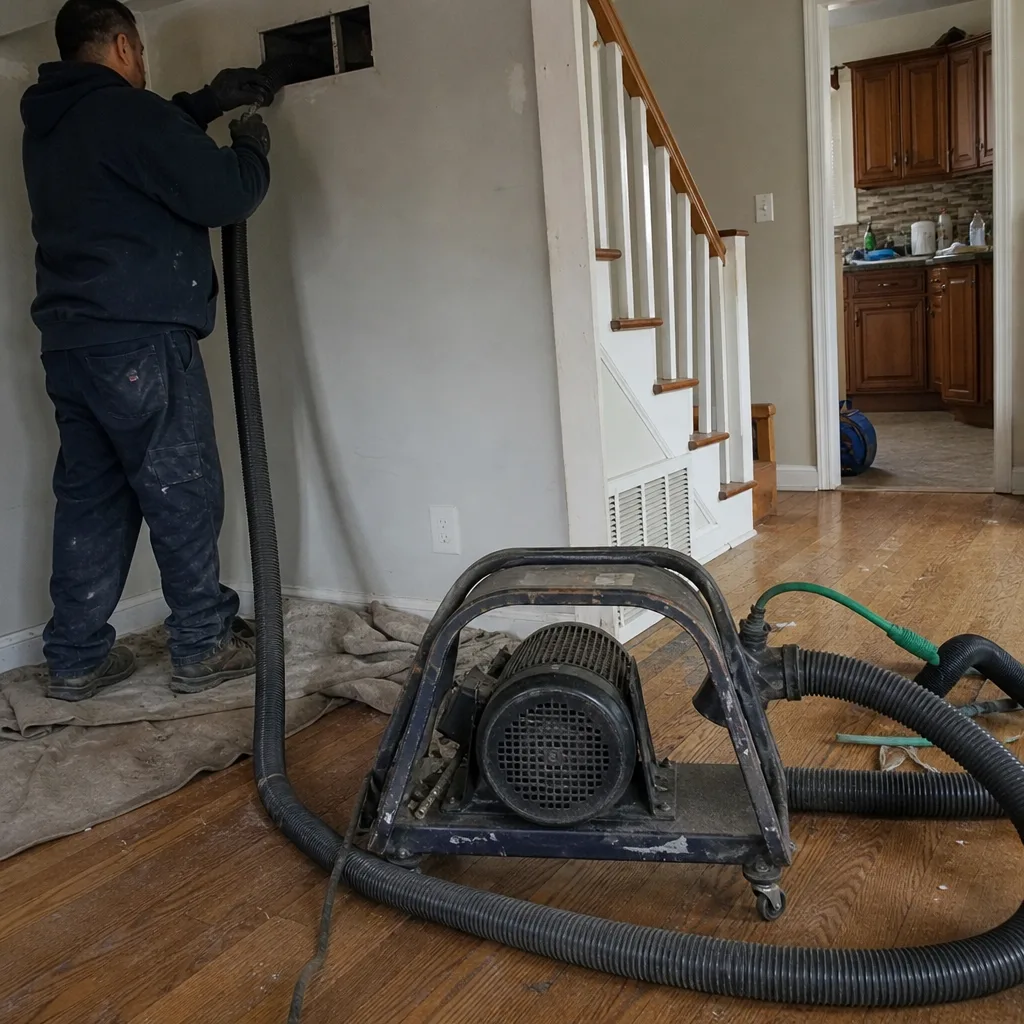 Before
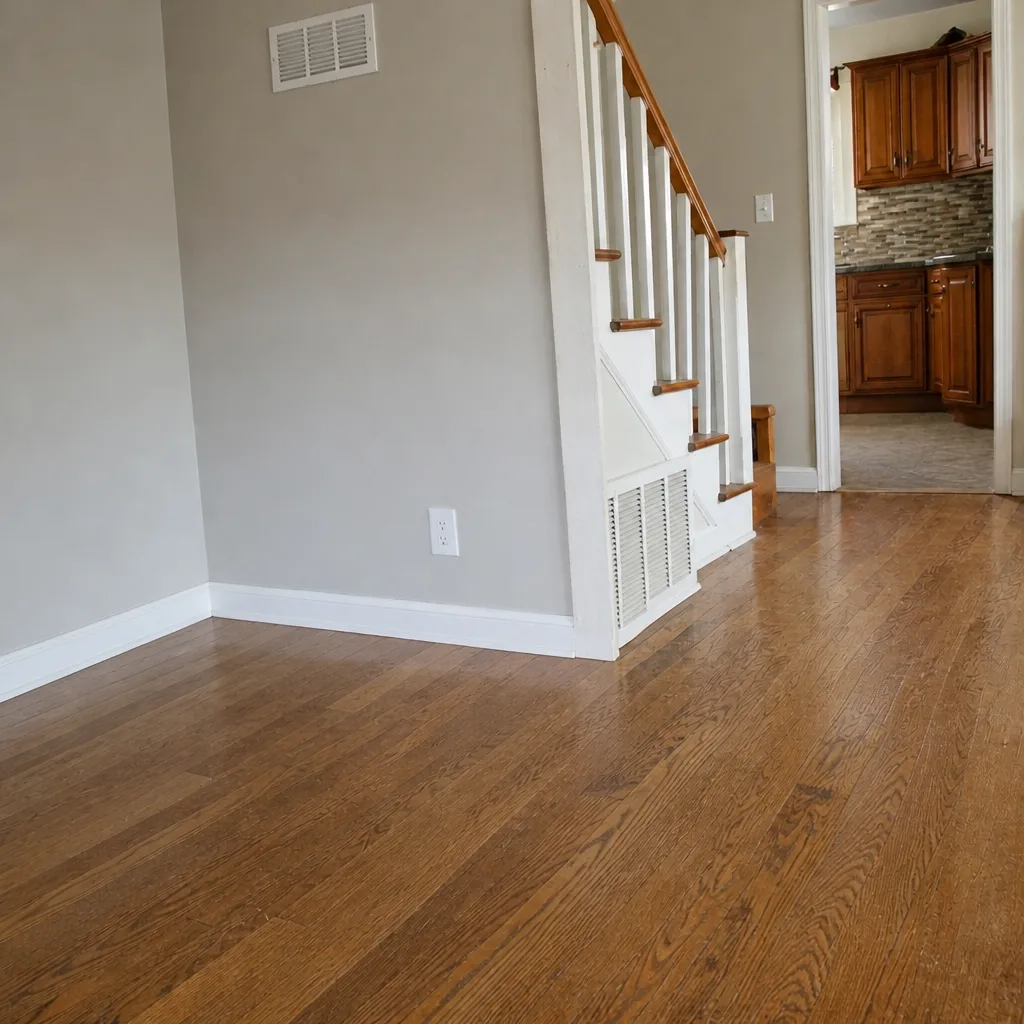 After
When to Call a Professional
Call a professional when the job is more than a routine clean. That includes a duct system with visible damage, disconnected joints, or airflow that’s dropped without explanation; a pre-1980 home where the ducts have insulation and no survey has been done; a multifamily building that needs the cleaning and sanitizing documented; or a dryer vent that hasn’t been cleared in a long while. It also includes any job where the contractor is proposing sealing or replacement without explaining the permit question. None of these are DIY territory, and the respirator-and-shop-vac approach can make a system worse. Air Duct Cleaning Williamsbridge offers free estimates in Williamsbridge – call (844) 443-3861. We answer 24/7. Fast dispatch from 7am to 7pm, Sunday through Friday.
Frequently Asked Questions
No. Routine air duct cleaning in New York does not require a permit because it removes debris from the system without altering it. Mechanical work – replacement, extended sealing, or HVAC modification – does require a DOB mechanical permit filed by a licensed contractor. If you want an exact scope call for your Williamsbridge home, call (844) 443-3861 – estimates are free.
Duct repair crosses into permit territory when it changes the physical system: replacing a duct section, adding a run, sealing extended areas with mastic, or modifying a connected HVAC component. Cleaning a damaged section doesn’t fix it, and it doesn’t need a permit. The repair does. Call (844) 443-3861 for an inspection and a written scope – estimates are free.
An asbestos survey may be required in a home built before 1980 where the ducts have insulation, because disturbing asbestos-containing material during cleaning can release fibers. The survey confirms whether asbestos is present before work begins. Ask before you book – call (844) 443-3861 – and we’ll walk through what applies to your building.
The licensed contractor doing the mechanical work files and holds the permit; the homeowner is responsible for verifying it exists. The homeowner carries the risk when unpermitted work is discovered later, which is why the permit number belongs in your records. Call (844) 443-3861 if you need the cleaning side handled while you sort out a mechanical permit elsewhere.
Air duct cleaning is priced per system, not per vent, and the written estimate sets the final price. We don’t quote a teaser coupon figure and we don’t charge per vent; the same flat price per system is agreed before work starts and includes before-and-after photos of your own ducts. Why are some quotes cheaper? Because they’re often priced by vent count and grow on-site. Call (844) 443-3861 for an exact quote – estimates are free.
You’ll see before-and-after photos of your own duct system, plus a pre-clean camera inspection that identifies condition and any damage. That’s the documentation standard we hold ourselves to. We use Rotobrush and Nikro equipment for the clean, and Guardsman-grade finishing products in the sanitizing step so the system is protected, not just cleaned. Call (844) 443-3861 to see how our air duct cleaning Williamsbridge process is documented.
Yes, in a supporting role. Sealed ducts reduce air leakage and energy waste, which supports the efficiency side of Local Law 97 compliance. Extensive sealing is mechanical work and generally needs a permit. If you manage a Bronx building and want the cleaning and sanitizing documented alongside it, call (844) 443-3861 – estimates are free.
Keep the permit number, the DOB sign-off, before-and-after photos, the written estimate and invoice, and any asbestos survey result if your home is pre-1980. These cover insurance, resale, and DOB compliance. Call (844) 443-3861 if you need a documented cleaning job to add to that file – estimates are free.
The Bottom Line
Cleaning your ducts doesn’t require a permit in New York. Repairing, replacing, or sealing them over significant areas does. That’s the line, and knowing where it sits protects you from a paper trail problem at resale. Add the asbestos question for pre-1980 homes, the Local Law 97 connection for multifamily buildings, and the documentation habit, and you have a clear picture of how this works in Williamsbridge. When you’re ready to handle the cleaning side, call (844) 443-3861 for a free estimate. We answer 24/7. Fast dispatch from 7am to 7pm, Sunday through Friday.
Written by the team at Air Duct Cleaning Williamsbridge.