
Last updated November 22, 2026
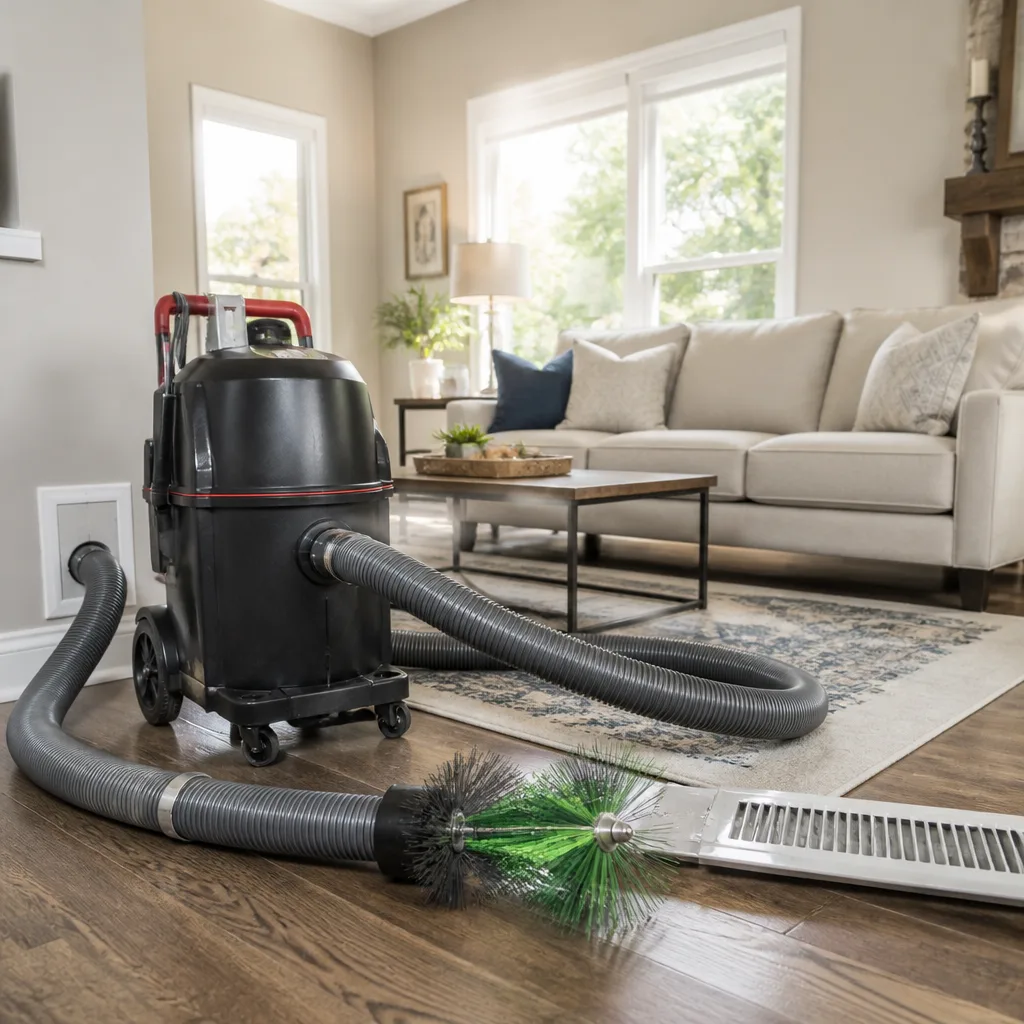 Whole-home duct cleaning
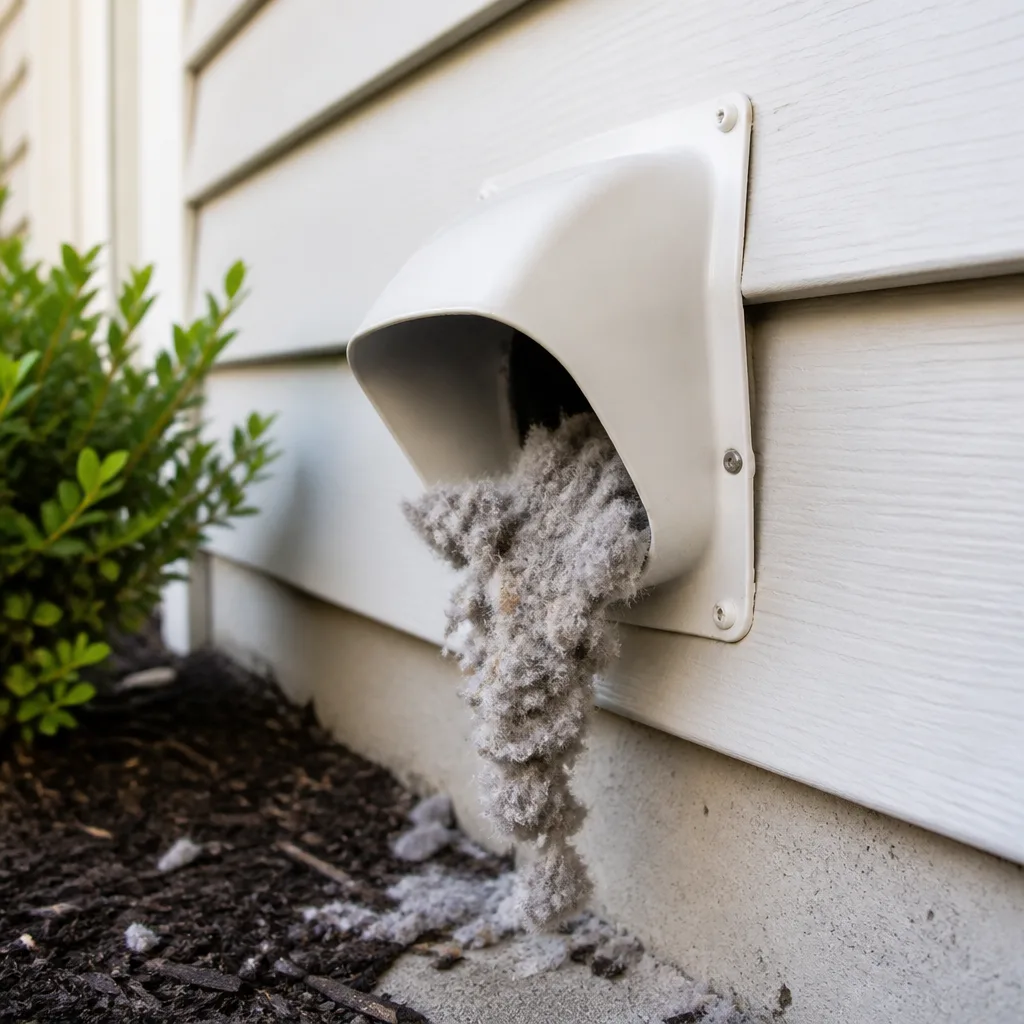 Dryer vent cleaning
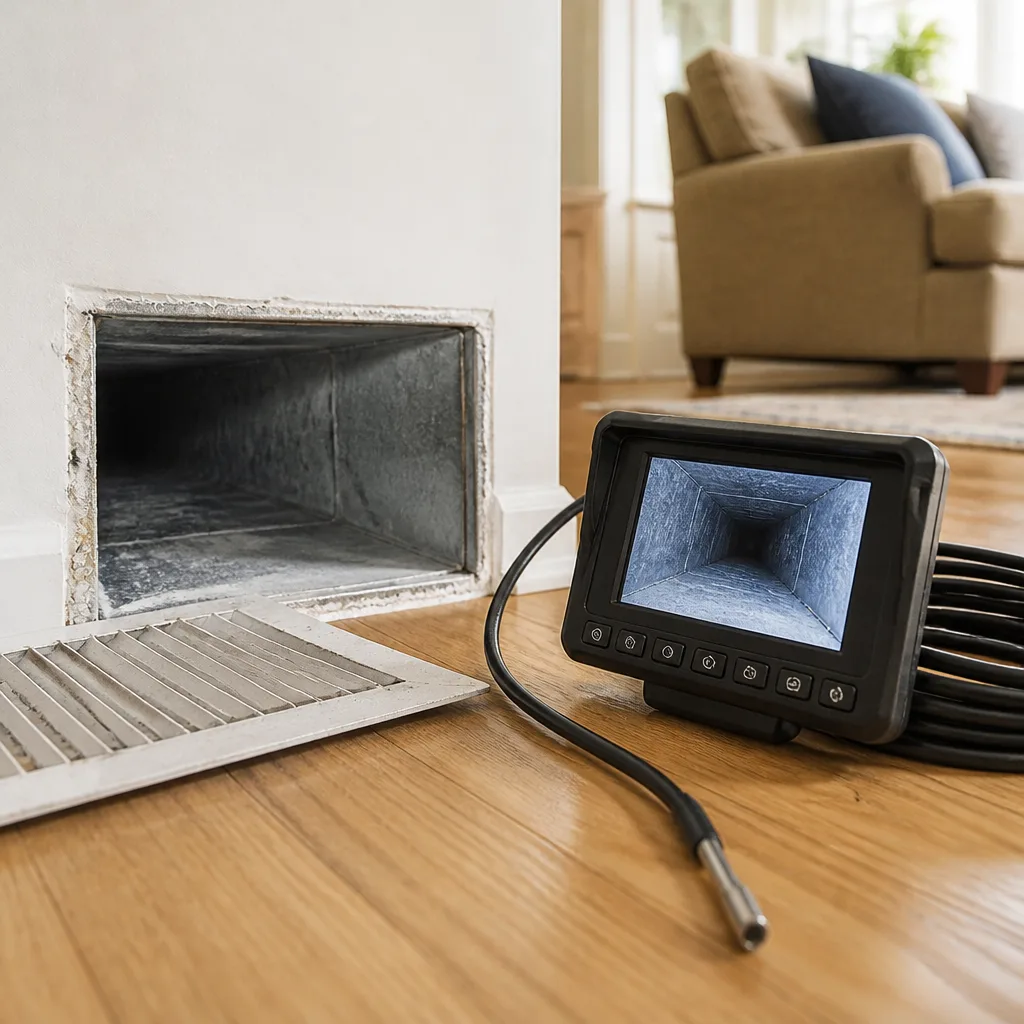 Camera inspection
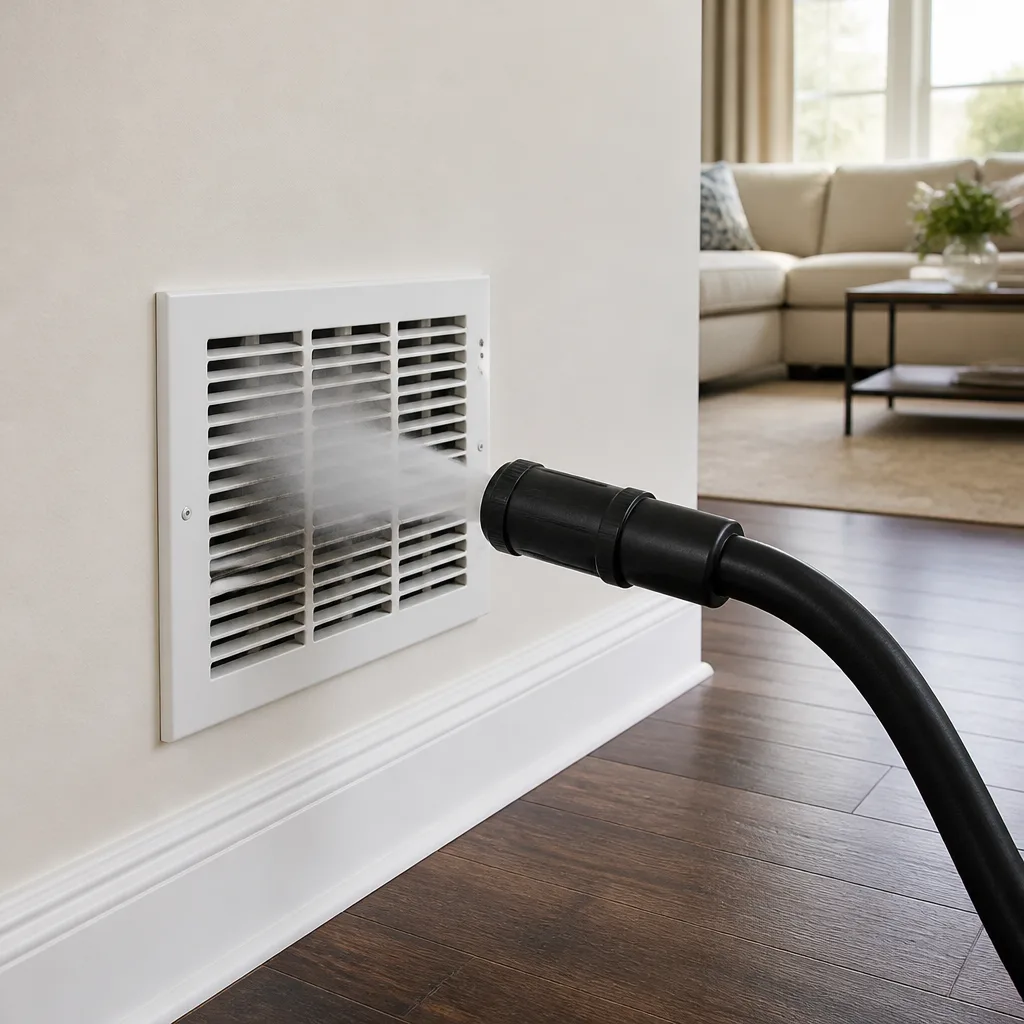 Sanitizing & deodorizing
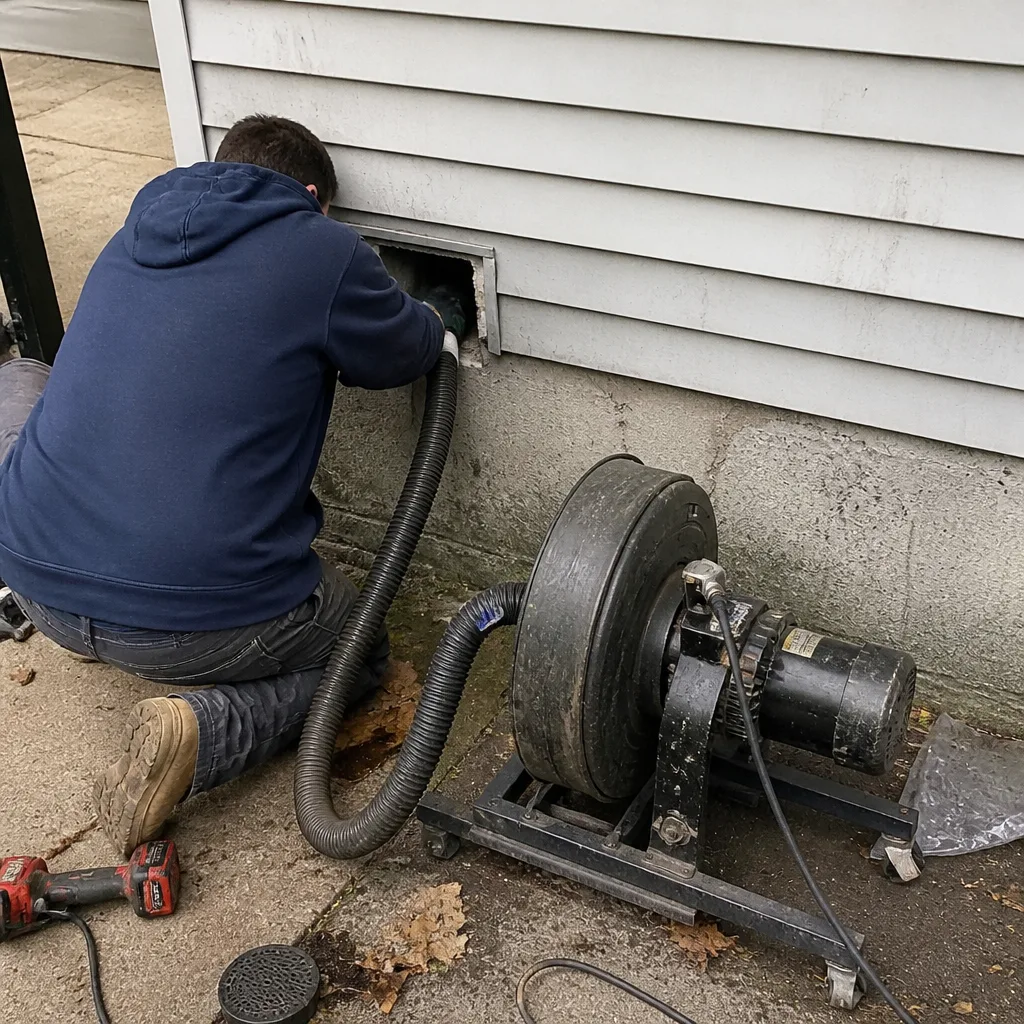
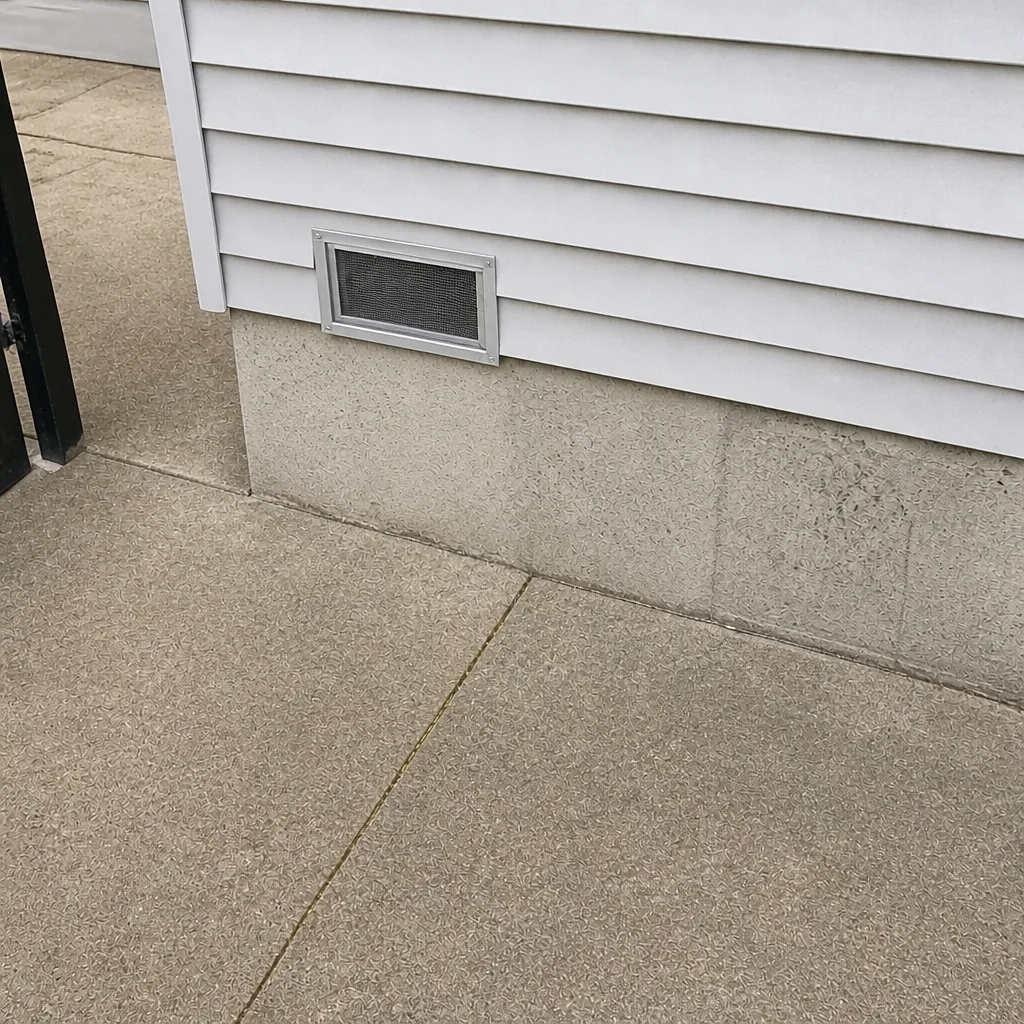
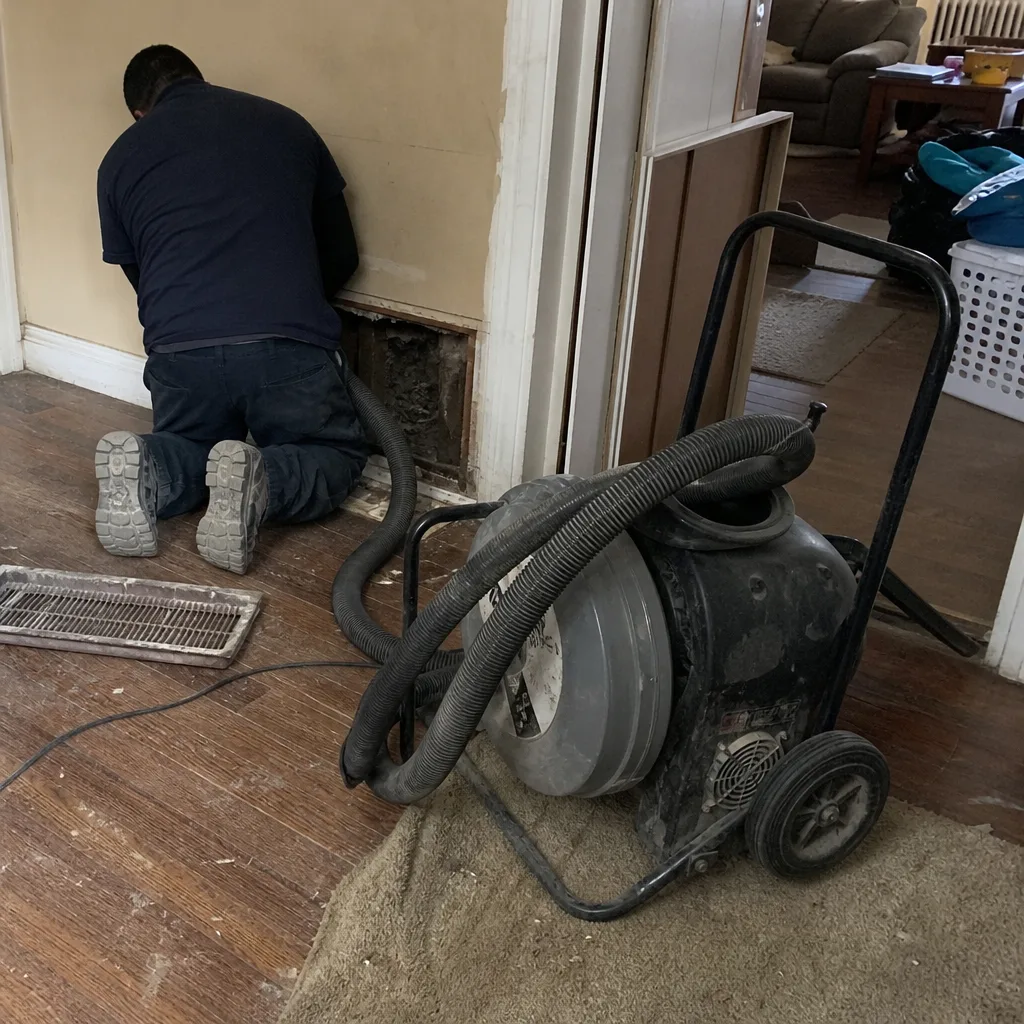
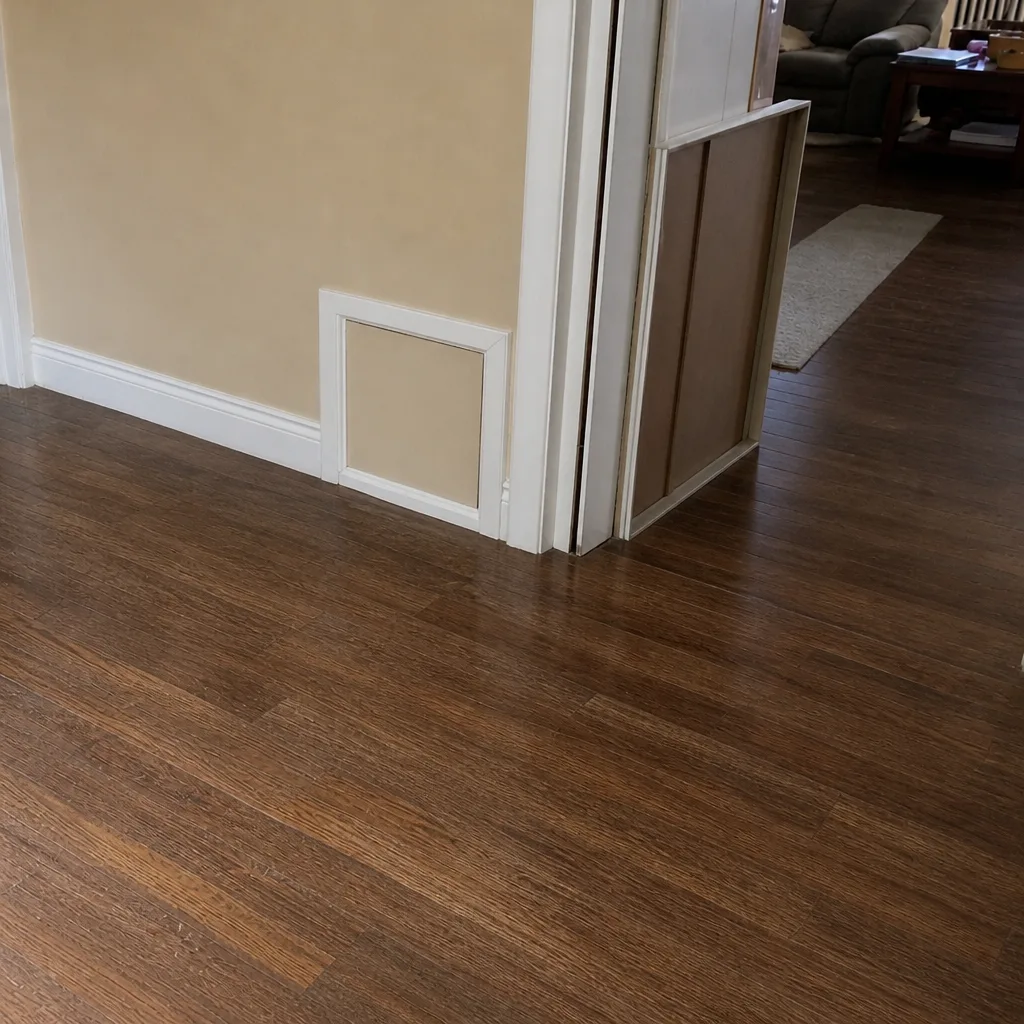
Whole-system duct and dryer vent check with before-and-after photos - you see exactly what came out of your vents
That "$99 whole-house special" is a bait ad - the real number appears once they are in your hallway, or the "clean" is a shop-vac at the register. We photograph the inside of your ducts before and after instead.
Choosing the Right Air Duct Cleaning Brand: A Buyer’s Guide for Williamsbridge
Two duct cleaning companies can show up with the same certification logo on their website and quote nearly the same price, yet one arrives with a truck-mounted Rotobrush system and the other arrives with a shop vacuum and a set of hardware-store brushes. That gap decides whether your ducts get genuinely cleaned or just lightly disturbed. In Williamsbridge, where most of the housing stock is older and the ductwork was laid out for a different era of heating, the equipment difference matters even more than it does in new construction. This guide explains what those equipment differences actually mean, which platforms suit which duct types, and the three questions that separate a properly equipped operator from a low-commitment one.
Quick Answer
The right air duct cleaning brand in Williamsbridge is the one that can show you commercial-grade equipment, source-controlled negative pressure, and before-and-after video from inside your own ducts. Equipment capability is a more reliable quality signal than reviews or price, because the capital investment required to run professional systems filters out most casual operators. Ask what platform they run and what CFM their vacuum produces, and you’ll know within two minutes who you’re dealing with.
Styles & brands we work with
- Whole-home duct cleaning
- Dryer vent cleaning
- Camera inspection
- Sanitizing & deodorizing
Table of Contents
- Why equipment is the strongest quality signal in duct cleaning
- Comparing the major commercial duct cleaning platforms
- Truck-mounted vs. portable negative pressure, and why it matters in the Bronx
- What video inspection tells you that a flashlight never will
- Sanitizing agents: EPA-registered products vs. generic foggers
- Three equipment questions to ask before you book
- How a properly equipped cleaning actually runs, step by step
- What “full system” really means, and when it’s more than ducts
Why equipment is the strongest quality signal in duct cleaning
Reviews tell you whether someone showed up on time. Price tells you what someone wants to charge. Neither tells you what happens inside the duct once the technician is out of sight. Equipment does, because equipment is expensive, heavy, and requires training to run properly. A company that has committed to a Rotobrush or Nikro platform has already made a decision that a hobbyist operator won’t make.
In Williamsbridge, that commitment shows up in a specific way. Many of the homes here were built decades ago with sheet metal trunk-and-branch systems, and those systems accumulate dust in a particular pattern: heavy near the return plenum, lighter down the branch runs. A brush-and-vacuum setup designed for light surface dust won’t dislodge it. A rotary brush system running at the correct tension will. The results differ because the tooling differs, not because one technician tried harder.
The same logic applies to containment. A properly equipped operator seals off the system and creates negative pressure before any agitation begins, so released debris travels toward the vacuum rather than into your living room. That’s a mechanical process that depends on equipment capacity, not technique alone. We use Rotobrush and Nikro equipment precisely because the containment step is built into how the platform works.
When you’re comparing brands, treat equipment the way you’d treat the engine in a used car: it’s the part you can’t fake and the part that determines what you actually get. If you want to know how we approach air duct cleaning in Williamsbridge, that page walks through the equipment and the process in more detail.
Comparing the major commercial duct cleaning platforms
Three platforms come up repeatedly in professional duct cleaning: Rotobrush, Abatement Technologies, and Nikro. They aren’t competing versions of the same product. Each is engineered for a different part of the job, and knowing what each does helps you ask sharper questions.
Rotobrush
Rotobrush is built around rotary brush agitation. The system drives a spinning brush through duct runs on a flexible cable, scrubbing the duct walls as it goes, while a high-capacity vacuum pulls dislodged material out. It’s the platform most associated with residential sheet metal and flex duct cleaning, and it handles the long horizontal runs common in Bronx houses well. Its limitation: it’s less effective on heavy grease-laden ductwork, which is usually commercial kitchen territory rather than residential.
Abatement Technologies
Abatement Technologies specializes in negative-pressure machines and HEPA filtration. These are the units you’ll see in professional remediation environments, where the goal is containment as much as removal. In a residential clean, an Abatement unit functions as the vacuum source that keeps your home under negative pressure the entire time. We also deploy Abatement equipment for sanitizing, which is a different application of the same brand’s engineering.
Nikro
Nikro covers a broad range of contractor-grade vacuums, filtration, and duct cleaning accessories. The strength here is flexibility: Nikro equipment adapts to tight runs, unusual transitions, and systems that don’t match a standard layout. Older Williamsbridge homes often have short branch runs and cramped mechanical spaces, and that’s where Nikro gear earns its place. Its limitation is that Nikro spans many product lines, so the brand name alone doesn’t tell you what the operator actually owns. Ask for the specific model.
The honest summary: Rotobrush for agitation, Abatement for pressure and sanitizing, Nikro for flexibility and vacuums. A company running more than one platform is equipped for more situations than one running a single system.
Truck-mounted vs. portable negative pressure, and why it matters in the Bronx
Negative pressure is the whole game in duct cleaning. The vacuum pulls air from the duct system, which keeps dust moving toward the machine rather than into your rooms. The measure that matters is CFM: cubic feet per minute. Truck-mounted units generally move more air than portables, and more air means stronger containment, especially during agitation when debris is most mobile.
But in Bronx residential buildings, the truck-mounted advantage runs into a practical problem: access. A truck can’t always park close enough to run a hose into the building. In Williamsbridge, plenty of homes sit down a shared driveway, on a narrow side street, or three floors up a walk-up. Hose runs of a hundred feet or more are common, and every additional foot of hose reduces delivered CFM.
That’s why the real question isn’t “truck-mounted or portable” but “what pressure are you actually producing at the register?” A well-chosen portable unit staged inside the home can outperform a truck-mounted system with a long hose run on a hot day. The answer depends on the building.
How a properly equipped operator handles Bronx access
- Assess parking and hose run before quoting, so CFM assumptions match reality.
- Stage the vacuum closest to the plenum, not at the curb.
- Test system pressure with the fans off and every register accounted for.
- Recheck containment at the halfway point, since pressure drops as filters load.
- Report the pressure reading as part of the before-and-after documentation.
None of that is glamorous, but it’s the difference between a clean system and a nominal clean. If your branch runs are long or your layout is awkward, air duct cleaning should include this staging step, and a contractor who hasn’t thought about it should raise a flag.
What video inspection tells you that a flashlight never will
A flashlight at the register shows you the first foot of duct. Video inspection shows you the whole run, including the parts nobody wants to crawl to: the elbows behind the furnace, the plenum, the transition points where flex meets metal. A company with a video system can show you footage before and after. A company without one can only describe.
That difference is bigger than it sounds. Duct interiors are dark, dusty, and hard to judge by eye even for experienced technicians. Video gives you a record you can keep. In Williamsbridge, where a lot of ductwork has been patched or partially replaced over the years, video inspection is often how we find that one run was connected to a flexible elbow that had come loose, or that a prior contractor’s “cleaning” left debris piled at a transition.
Ask any contractor these follow-up questions:
- Do you have a camera system, and will I see the footage before and after?
- Which runs will you inspect versus which runs you’ll clean, and why?
- What do you do if you find a branch that isn’t properly connected?
- Will you tell me which mechanical issues you found, with footage, rather than a verbal summary?
When you have video, “the ducts were dirty” stops being a claim and starts being evidence. That’s a fundamentally different standard of work, and it’s why we consider the camera non-negotiable. If a contractor can’t show you footage, you have no way to verify the work beyond what you paid for.
Sanitizing agents: EPA-registered products vs. generic foggers
Sanitizing is often sold as an added service after cleaning. The brand of the actual product is rarer to see on a quote, and that’s a problem. Products marketed loosely as “anti-microbial” or “air purifier fog” can be harmless, mediocre, or something you wouldn’t want in your air. EPA registration is the baseline. It means the manufacturer submitted efficacy and safety data, and the label carries specific instructions, including dwell time and surfaces it may be applied to.
Here’s what to ask before you authorize anything to be sprayed into your ductwork:
- Which product will you use, by name and manufacturer?
- Is it EPA-registered, and can I see the registration number on the label?
- Is it intended for duct interiors specifically, not just general hard surfaces?
- What dwell time does the label specify, and will you follow it?
- What’s your ventilation protocol during application in an occupied home?
- Do you have documentation for the product other than a marketing sheet?
Brands like Guardsman are used in finishing and protectant steps, and Abatement Technologies makes the filtration side of a sanitizing workflow possible. Neither of those replaces the question of which chemical goes into your ducts. In our experience, a contractor who uses EPA-registered products will usually have the label handy or be able to point to it without hesitation. A contractor who can’t name the product is a contractor who hasn’t thought carefully about what goes into the system.
Three equipment questions to ask before you book
The simplest buyer’s filter is also the most effective. Ask these three questions, and listen to how quickly the answer comes back. A properly equipped operator answers immediately, often with specifics. A low-commitment operator deflects.
- “What platform do you run for the actual cleaning – Rotobrush, Nikro, or something else?” Follow up with “Which model?” An eight-second answer with a model number is a good sign. A vague “we use professional-grade equipment” isn’t.
- “What’s your CFM, and how do you maintain pressure at the register?” This one separates the field fast. Anyone who has actually run a negative-pressure system knows their number and understands that hose run reduces it. If they need to get back to you, they probably don’t own the equipment themselves.
- “Will you show me before-and-after video from inside my own ducts?” Yes means they own a camera and know how to use it. Anything other than yes means you’re relying on a verbal summary after the work is done.
Here’s a fourth bonus you can tack on: “What does the label say on the sanitizer you’ll use?” If the answer is specific and names an EPA-registered product, the picture is complete.
How a properly equipped cleaning actually runs, step by step
Understanding the process helps you see whether a quote is priced to the job or priced to the visit. A whole-system clean in a Williamsbridge home usually follows a predictable sequence, and the equipment determines how each step is done.
- System inspection and register count. Every supply and return is identified. We take readings at the air handler and note any disconnections before starting.
- Containment setup. Registers and the air handler are sealed with cover plates. The vacuum is connected at the plenum, not at a register.
- Negative-pressure test. The system is brought under vacuum and pressure is confirmed before any agitation begins.
- Agitation. Rotary brushes are driven through each branch and trunk run using Rotobrush gear. In tight or irregular runs, Nikro accessories fill in where the rotary brush won’t fit.
- Trunk and plenum cleaning. The main runs are cleaned last, since debris from the branches has to flow through them.
- Air handler and coil. The blower, coil, and cabinet are cleaned as part of HVAC cleaning, not treated as an afterthought.
- Second video pass and sanitizing. Footage is captured after cleaning. Then, if you’ve authorized it, sanitizing is applied using EPA-registered product with the label’s dwell time observed.
- Final photos and reading. You get before-and-after documentation and the final pressure numbers.
Between steps seven and eight, this is where a Guardsman-grade protectant step can be added in the sanitizing workflow. The idea isn’t “spray and leave.” It’s a light, controlled finish on the cleaned surfaces so the next dust accumulation is slower and easier to remove. That’s a different posture than “cleaned and gone.”
Expect the whole sequence to run a half day for a typical three-bedroom Bronx house. Small jobs run shorter. Larger properties with multiple zones take longer.
What “full system” really means, and when it’s more than ducts
Duct cleaning is one part of the air pathway. The rest is the air handler, the coil, the returns, the registers, and in many Williamsbridge homes, the dryer vent. A single contractor who can address all of them in one visit saves you a second call, and more importantly, saves you from jobs that fall between two vendors.
Dryer vent cleaning is the clearest example. It’s often treated as an add-on by air duct companies, but lint accumulation in a dryer vent is one of the leading causes of residential fires. The service takes a short part of the visit and reduces a real risk. For a household that runs the dryer regularly, it’s not optional maintenance.
The five categories we cover are:
- Air duct cleaning, including supply, return, and trunk runs
- Dryer vent cleaning, treated as a core safety service
- HVAC cleaning, including the air handler, blower, and coil
- Duct repair and sealing, for disconnected runs and leaks that undermine efficiency
- Air quality and sanitizing, using EPA-registered products and filtration-compatible equipment
If any of these are missing from a quote, ask why. Sometimes it’s because the system doesn’t need it. Other times it’s because the operator can’t do it, and that’s useful to know before you book.
Common Mistakes to Avoid
- Booking on price alone without asking about equipment. A low quote with a shop vacuum behind it isn’t a bargain; it’s a visit that won’t move the dust that matters. In Williamsbridge, where duct runs are often longer than the operator expects, that distinction costs you a second cleaning.
- Accepting a “sanitizing” line item without asking for the product name. Generic foggers can be ineffective or, worse, something you wouldn’t want applied inside an occupied home. Ask for the EPA registration number.
- Skipping video inspection and relying on a verbal summary. Without footage, you can’t tell whether the ducts were cleaned or just stirred. Ask to see before-and-after clips of your own runs.
- Not mentioning the dryer vent. A duct cleaning that leaves the dryer vent packed with lint doesn’t reduce one of the leading residential fire risks. Ask for it explicitly, or book it as part of the same visit.
- Assuming the air handler gets cleaned automatically. Some “duct cleaning” quotes clean only the duct runs and leave the coil and blower untouched. Confirm the air handler is included before you agree to the price.
- Forgetting to ask about disconnected or damaged runs. In older Williamsbridge homes, flex-to-metal transitions can come loose and send dust straight into a wall cavity. A camera pass finds them; a flashlight at the register doesn’t.
- Choosing a contractor who doesn’t answer equipment questions directly. Deflection here usually signals that the equipment isn’t owned by the operator. A properly equipped company can name the platform, the model, and the pressure number without a callback.
See the difference
 Before
 After
 Before
 After
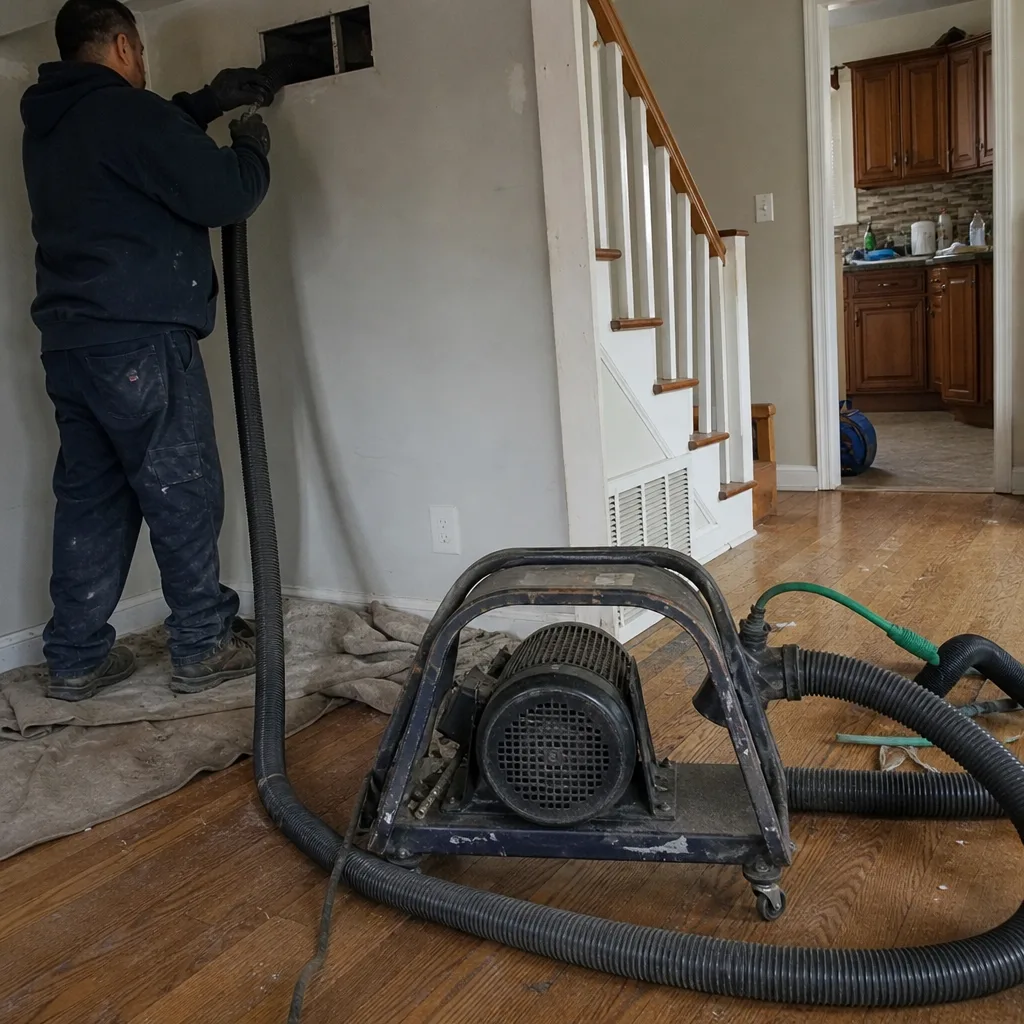 Before
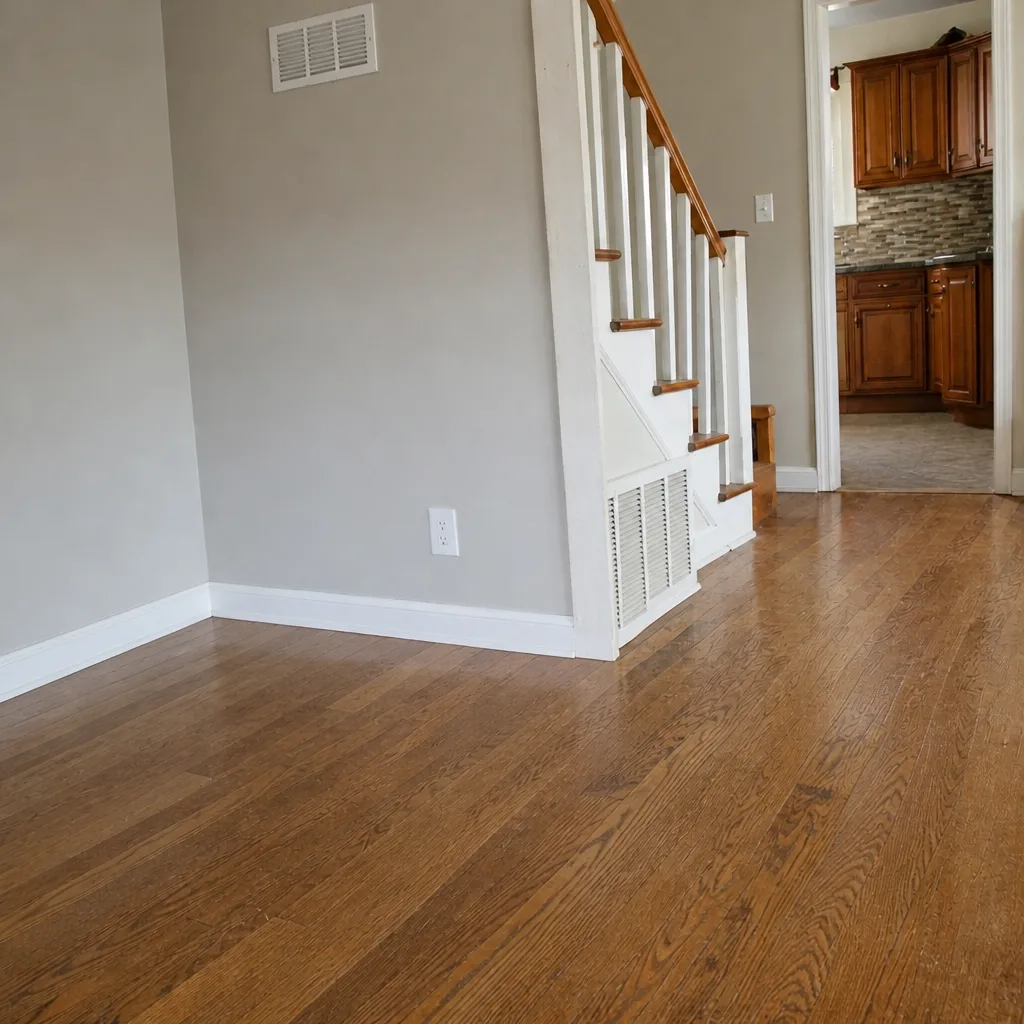 After
When to Call a Professional
Some signs are clear cut: visible dust blowing from a register after a filter change, a dryer that takes noticeably longer to dry a load, a musty smell that follows the HVAC cycle through the house, or a home with recent renovation dust that’s been pulled through the returns. Respiratory sensitivity in the household is another reason to look at the system rather than the filter alone. If your ducts haven’t been cleaned under the current household, or you’ve bought a Williamsbridge home where the prior maintenance history is unclear, an inspection with a camera answers questions cheaply. Air Duct Cleaning Williamsbridge offers free estimates in Williamsbridge and answers questions about equipment and process before you book. Our technicians have up to 13 years of experience, and we’re happy to walk you through which platform suits your layout. Call (844) 443-3861 to schedule. We answer 24/7. Fast dispatch from 7am to 7pm, Sunday through Friday, closed Saturday.
Frequently Asked Questions
Ask three things: what platform they run (Rotobrush, Nikro, or otherwise), what CFM their vacuum produces at the register, and whether they’ll show you before-and-after video from your own ducts. A properly equipped company answers immediately. Reviews and price are secondary because they don’t reveal what happens inside the duct.
Truck-mounted units generally move more air (higher CFM) than portables, but in Bronx residential buildings the advantage often collapses because the truck can’t park close enough to run a short hose. A well-chosen portable unit staged inside the home usually delivers stronger containment than a truck with a hundred-foot hose run. Ask what pressure the operator produces at the register, not under the hood.
Standard duct cleaning uses rotary brush agitation and negative pressure, which is what most residential systems in Williamsbridge need. “Dry” cleaning just means the process doesn’t introduce water into the ducts, which is standard for sheet metal and flex. If a contractor proposes water or chemical spraying beyond a sanitizing step, ask exactly which product and why.
Not always. Sanitizing is most useful after water intrusion, pest activity, or a known microbial issue. If you authorize it, insist on an EPA-registered product intended for duct interiors, with the registration number visible on the label. Generic “anti-microbial fog” without documentation isn’t the same thing.
Most households don’t need annual cleaning. If you have pets, allergies, recent renovations, or moved into a home without a maintenance record, inspection every few years makes sense. Dryer vents are different: they should be checked more often because lint accumulation is a fire risk, not just an efficiency question.
A full walkthrough covers supply and return ducts, the trunk runs, the air handler (blower and coil), and the dryer vent, with video documentation before and after. A basic quote often cleans only the duct runs and leaves the air handler and dryer vent out. Confirm the scope in writing before you book.
The Bottom Line
Equipment is the least glamorous and most reliable signal in this trade. A company running Rotobrush, Nikro, or Abatement platforms has made a capital commitment that low-effort operators won’t make, and that commitment shows up in containment, video inspection, and the ability to answer three questions without hesitation. In Williamsbridge, where older housing stock means longer runs and awkward access, that difference shows in the finished result, not just the invoice. Ask the questions, ask to see the footage, and let the answers decide. The price is set per job by a written estimate, and every quote we issue is free.
Call (844) 443-3861 for a free estimate and to hear exactly what platform we’d run for your setup. We answer 24/7. Fast dispatch from 7am to 7pm, Sunday through Friday, closed Saturday.
Written by the team at Air Duct Cleaning Williamsbridge.