
Last updated November 22, 2026
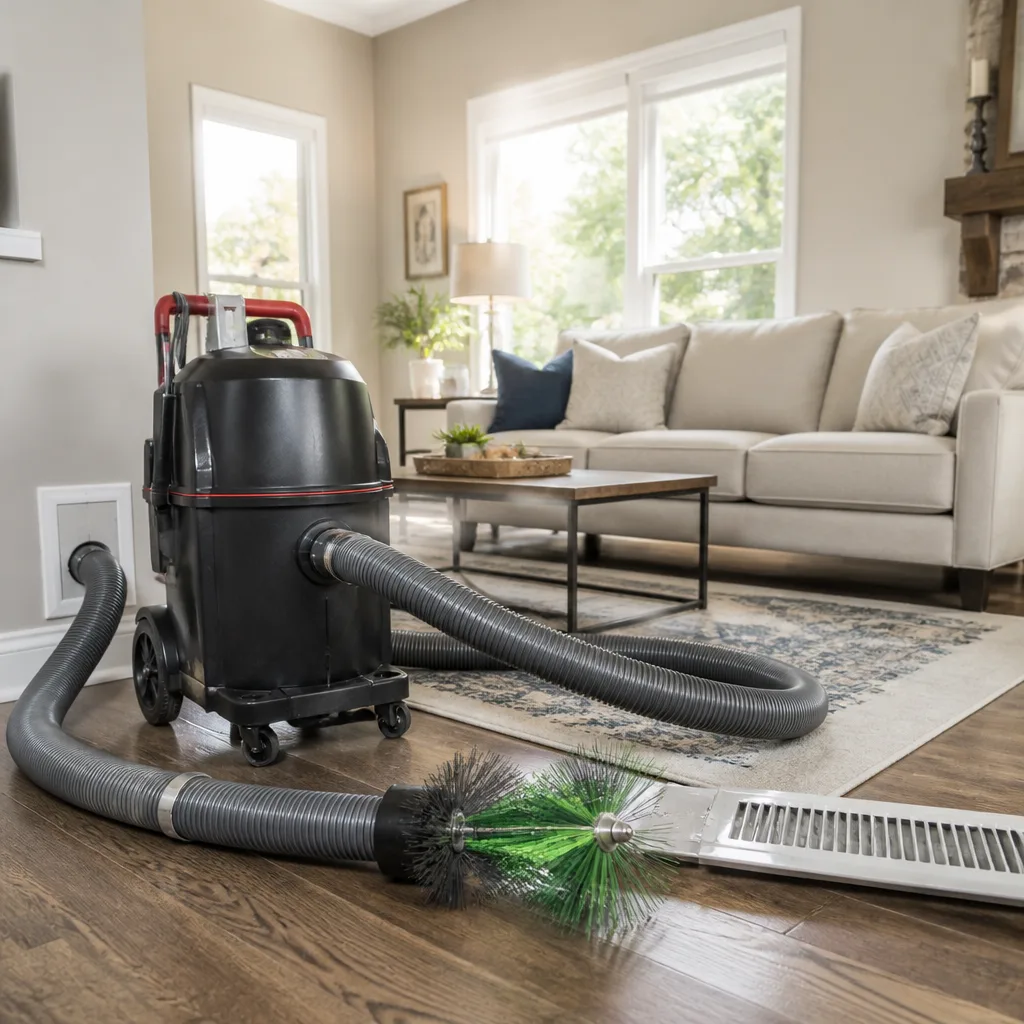 Whole-home duct cleaning
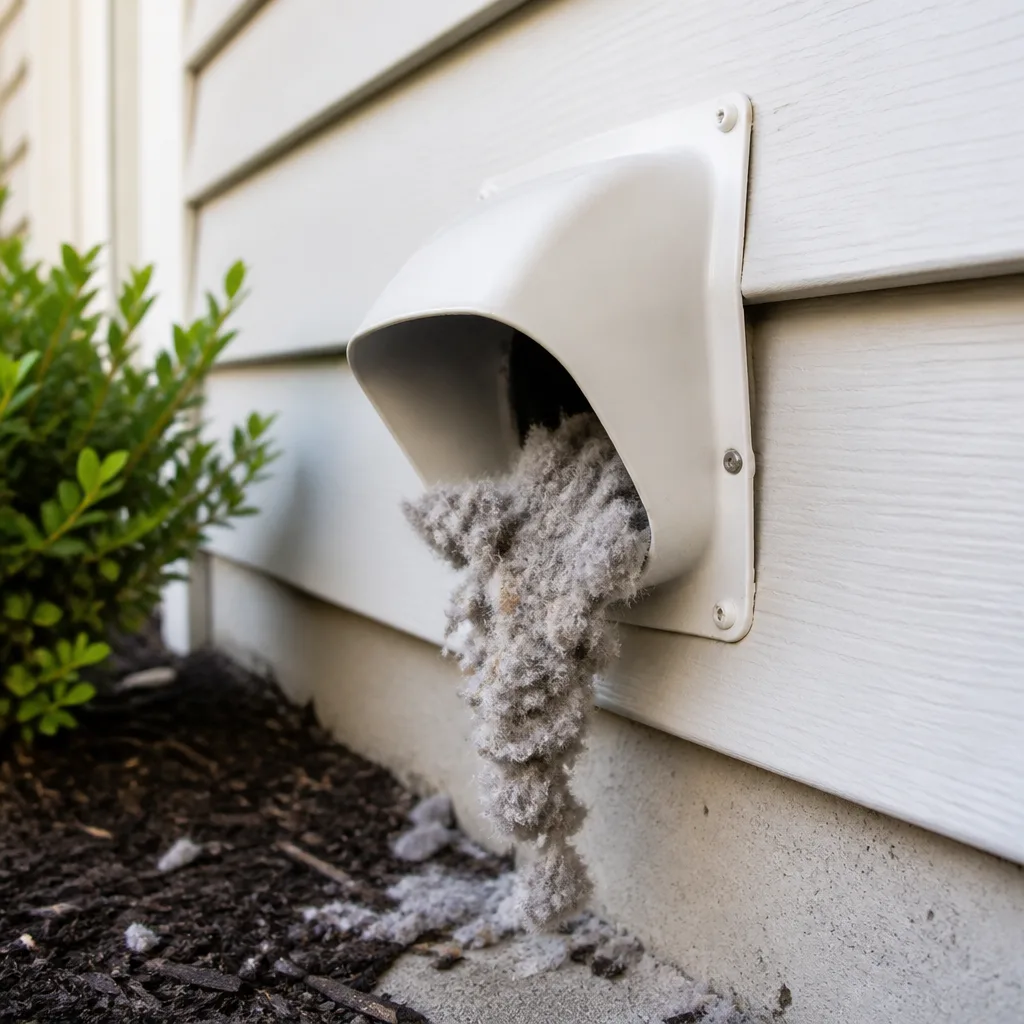 Dryer vent cleaning
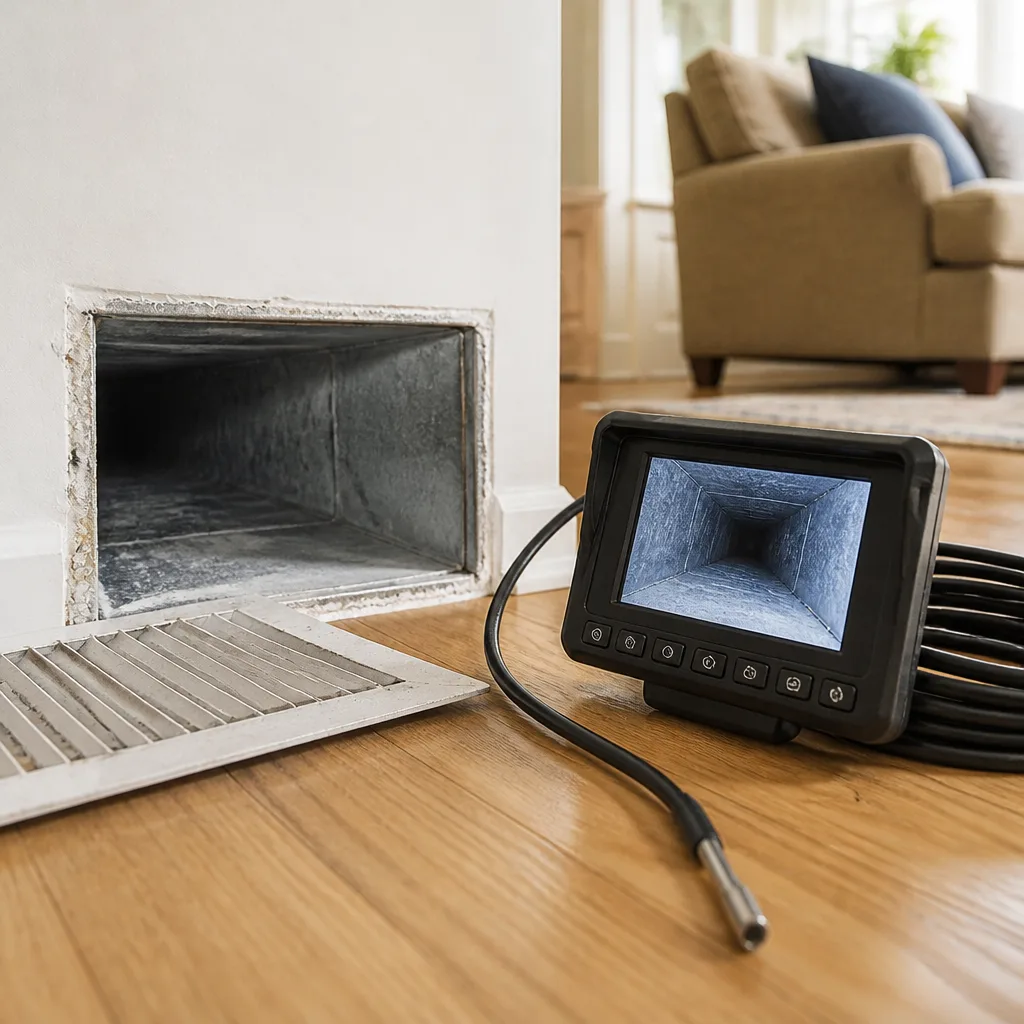 Camera inspection
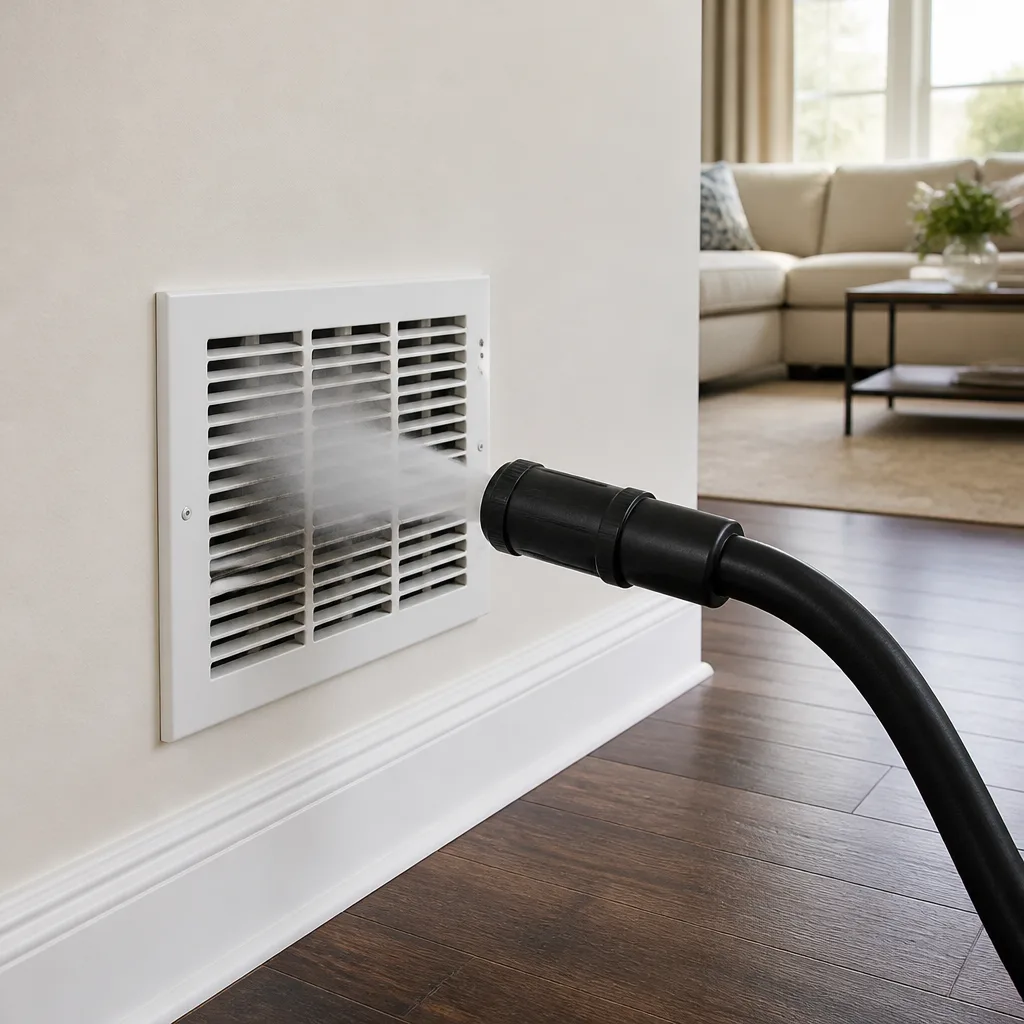 Sanitizing & deodorizing
Whole-system duct and dryer vent check with before-and-after photos - you see exactly what came out of your vents
That "$99 whole-house special" is a bait ad - the real number appears once they are in your hallway, or the "clean" is a shop-vac at the register. We photograph the inside of your ducts before and after instead.
The Complete Guide to Air Duct Cleaning in Williamsbridge
Most people picture air duct cleaning as one job: a vacuum goes into the ducts, dirt comes out, done. That picture is why so many cleanings fall short. A complete clean is really five or six distinct jobs stacked end to end, and if any one of them is skipped, the rest of the work simply moves contamination around instead of removing it. The branch runs and register boots closest to your living spaces are usually where a partial job leaves the most behind. In this guide we map every component of the air pathway, explain the specific challenges older Williamsbridge housing creates, and show you exactly what to ask for before anyone touches your system.
Quick Answer
Air duct cleaning in Williamsbridge means cleaning and verifying the entire air pathway: return grilles, return ducts, the air handler, the main trunk, branch runs, and supply boots. A real clean uses negative-pressure source removal, not a shop vacuum at the register, and ends with airflow measurements, before-and-after photos, and a filter assessment. Anything short of that redistributes dust rather than removing it.
Styles & brands we work with
- Whole-home duct cleaning
- Dryer vent cleaning
- Camera inspection
- Sanitizing & deodorizing
Table of Contents
- The anatomy of your air pathway
- What Williamsbridge’s older housing stock means for your ducts
- Three cleaning methods and when each is right
- What a full-system clean looks like, step by step
- How to verify the work was actually done
- Cleaning versus restoration: when ducts need sealing or lining
- Dryer vent cleaning: the safety service most companies skip
- What air duct cleaning costs and why quotes vary
The Anatomy of Your Air Pathway
Your HVAC system moves air through a chain of components, and every link in that chain collects its own kind of debris. The return grilles catch hair, pet fur, and large dust clumps. The return ducts carry that material toward the air handler, where the blower wheel and evaporator coil gather a sticky film of fine dust. Past the air handler, the main trunk distributes air to the branch runs, and each branch run ends at a supply boot that opens into a room. Contaminants settle differently in each section: heavy debris drops out in the returns, fine particles coat the coil, and the branch runs closest to the registers collect the steady day-to-day load.
That last point matters most. A cleaning that addresses the main trunk but leaves the branch runs and supply boots untouched misses the sections feeding air directly into the rooms where you sleep and eat. In our experience, the branch runs and boots near living spaces carry the heaviest accessible load because they sit downstream of everything else.
Here’s the full path, from return to room:
- Return grilles – the intake face of the system, where large debris collects first.
- Return ducts – negative-pressure side, where heavy particulate settles in low runs and elbows.
- Air handler – blower wheel, coil, and drain pan, where fine dust forms a film that restricts airflow.
- Main trunk – the primary distribution duct, usually the largest and most accessible section.
- Branch runs – smaller ducts feeding individual rooms, often flexible or tightly routed.
- Supply boots – the terminal openings at each register, closest to the air you actually breathe.
Each section needs its own tooling and its own approach. Treating the system as one continuous duct is the single biggest shortcut in this trade, and it’s why two quotes for the “same job” can differ so widely in what they actually deliver. When you book air duct cleaning, ask which of these six points the price covers.
What Williamsbridge’s Older Housing Stock Means for Your Ducts
Williamsbridge is a neighborhood built largely before 1980, and older construction creates duct conditions you won’t find in a new subdivision. Homes of this era often started life with no central ductwork at all, heated by radiators or window units, then had duct systems retrofitted into closets, chases, and ceiling cavities that weren’t designed for them. Ductwork added later tends to run long, twist through tight spaces, and use a mix of rigid galvanized sheet metal in the main runs and flexible duct in the branches.
That mix has consequences. Galvanized sheet metal develops surface corrosion over time, especially where joints sweat or where a basement or crawl space stays damp. Corroded metal holds dust differently than clean metal, and the flakes can travel into the supply air. Retrofitted branch runs often have long unsupported spans and sagging flexible sections where debris collects in the low points. Each of these conditions changes how a duct needs to be cleaned and inspected.
There’s a safety layer here too. Some pre-1980 building materials used around duct chases and pipe penetrations can contain asbestos, and any work that disturbs suspect material needs the right handling. We flag potential asbestos-wrap adjacency during inspection and stop before disturbing anything that looks questionable. If a technician is willing to cut into a chase or wrap without looking first, that tells you something about how the rest of the job will go.
None of this makes an older Williamsbridge home a problem case. It just means the clean has to be built for the house in front of us, not run off a generic checklist. That’s a large part of why we inspect the full path before quoting a single price. Learn more on our Air Duct Cleaning Williamsbridge page.
Three Cleaning Methods and When Each Is Right
Three methods dominate residential duct cleaning, and they are not interchangeable. Knowing the difference is how you tell a real quote from a cheap one.
Contact vacuum cleaning
A vacuum head physically touches the duct surface, loosening and lifting debris. It works well on short, straight, accessible rigid duct where the head can reach. It’s the least disruptive method and a fine choice for light surface dust in a well-maintained system. Its limit is reach: on long branch runs and tight flexible sections it can’t get past the first few feet.
Negative-pressure source removal
The industry standard for a full clean. A powerful vacuum pulls the entire system under negative pressure while technicians agitate the duct surfaces so loosened debris gets captured at the source instead of drifting into rooms. Source removal gets the full trunk, the branch runs, and the boots in one pass. It’s the method that matches the anatomy we described above. The equipment matters here; commercial-grade systems from Rotobrush and Nikro pull and agitate in ways a consumer vacuum simply can’t match, and those systems are the same class of tools used in professional restoration work.
Air-sweep
Compressed air blows through the system while a vacuum captures the loosened debris. It reaches deep into long runs where a contact head can’t, and it works well on the return side and trunk lines. Used on its own without a strong capturing vacuum, it just moves dust around, which is exactly the failure mode to avoid.
The right approach for most Williamsbridge homes is a combination: negative-pressure source removal for the bulk of the system, air-sweep for long or hard-to-reach runs, and contact vacuum finishing on the boots and grilles. Ask any contractor which method they use and why. If the answer is a vague “we clean the ducts,” that’s a sign the job is a one-pass brush and vacuum.
What a Full-System Clean Looks Like, Step by Step
Here’s the sequence a proper full-system clean follows. You should be able to ask about each step and get a clear answer.
- Inspection. We walk the full path first, noting duct material, corrosion, access points, and any suspect wrap. This shapes the plan and the price.
- Protection. Floors and furnishings around work areas get covered. Registers and returns are the entry and exit points, so the area around each one is prepped before any vacuum runs.
- Negative-pressure setup. The system is put under vacuum, with a commercial-grade HEPA unit capturing debris at the source.
- Source removal and agitation. Each section gets worked in order: returns, air handler, trunk, branches, boots. Agitation loosens what’s stuck; the vacuum captures it.
- Air handler care. Blower wheel, coil face, and drain pan are cleaned, since the coil is the one component whose condition directly drives airflow and efficiency.
- Sanitizing. In homes with pet odor, pet dander, or heavy contamination, a sanitizing treatment runs through the cleaned pathway. We deploy air-quality and remediation-grade equipment, including Abatement Technologies units for sanitizing, and finish the workflow with Guardsman-grade protection products so surfaces stay protected rather than just clean.
- Filter check and change. The filter is assessed and replaced if it’s past its usable life. A clean system pushing through a loaded filter just refouls the duct.
- Verification. Airflow is measured and compared, photos are taken, and you get a walkthrough of the difference.
A typical full-system clean is a several-hour job, not a thirty-minute one. Treat a fast turnaround as a question, not a selling point. One visit, one team, cleaning, sealing, and sanitizing the whole path is how this should work.
How to Verify the Work Was Actually Done
This is the question that separates a professional from a bait-and-switch operation: how do you know the work was done? You demand evidence. Here’s what a legitimate post-clean verification includes.
- Before-and-after photographs of your actual ducts, at the same points, showing condition. Not stock photos, not generic kitchen-table shots: your system, your rooms.
- Airflow measurements. Simple pressure or volume readings taken at registers before and after. A clean system should show improved or restored airflow where access was restricted.
- Filter condition assessment. The filter inspected and replaced if needed, with the old one shown to you.
- A walkthrough. The technician takes you through what was cleaned, what was flagged, and what needs follow-up.
Any of these alone proves little. Together they close the loop. And this is where the bait-and-switch concern surfaces. If a quote sounds far lower than the rest, look at what gets left out. Cheap quotes often mean the branch runs and boots are skipped, and a cheap quote often means per-vent pricing that balloons once the technician is on-site. We keep it simple: one flat price per system, agreed before work starts, no per-vent pricing, and photos of your own ducts to prove what happened. That’s how you take the guesswork out of the decision.
Cleaning Versus Restoration: When Ducts Need Sealing or Lining
Cleaning removes what’s inside the ducts. It doesn’t fix ducts that are damaged, disconnected, or leaking in the first place. In an older home like many in Williamsbridge, the more common scenario is ducts that are clean on the inside but leaking at the seams, sagging in the middle, or disconnected at a joint behind a wall. Cleaning a leaking system is a holding pattern; the debris comes right back.
Restoration is the next tier of work, and it’s where a full-system service makes the difference. Sealing gaps in the trunk and branches restores system pressure and stops the duct from pulling attic or basement air into your home. Reconnecting a disconnected branch run restores supply to that room. Lining handles the extreme cases where galvanized metal has corroded through or where the interior surface has deteriorated beyond what cleaning can address.
The signal that restoration is needed rather than another cleaning: a room that never gets the airflow its neighbors do, a persistent dust film near one register, or visible separation at a duct joint during inspection. When we find one of these, we flag it before we quote the clean, so the fix happens once. One team handling cleaning, HVAC cleaning, and sealing avoids the situation where the cleaner says “call a duct repair company” and you start the whole vetting process over again.
Dryer Vent Cleaning: The Safety Service Most Companies Skip
Dryer vent cleaning is a core part of whole-system air work, not an add-on. A lint-clogged dryer vent is one of the leading causes of residential fires, and lint accumulation is invisible from inside the house. The vent runs behind the dryer and out through a wall or roof, and by the time you notice performance loss, a serious load has built up. This is a safety issue, full stop. It’s also the piece many air duct specialists never touch, because it lives outside the HVAC pathway.
What a real dryer vent service covers:
- Pulling lint buildup out of the full vent run, not just the section you can reach behind the appliance.
- Checking the outside termination for a stuck flapper or crushed section restricting airflow.
- Verifying the vent material and connections.
It’s a short service, worth doing on the same visit as a duct clean, and worth doing on its own if the vent hasn’t been checked in a while. Our dryer vent cleaning service covers the run end to end. If you’re booking a full clean, ask to have it included. It’s the fastest way to close one of the bigger safety gaps in a Williamsbridge home.
What Air Duct Cleaning Costs and Why Quotes Vary
Quick answer: pricing for a full-system clean is set per job by the written estimate, not per vent, because the actual work depends on the system. Quotes vary widely because what’s included varies widely. Here’s what drives the range.
- Size and complexity of the system. A compact duct system serving a few registers takes less time than a long retrofitted layout with multiple branches.
- Access. Ductwork routed through tight chases or disconnected at joints takes more setup to reach and verify.
- Level of contamination. Heavy buildup needs more passes.
- Additional work. Sealing, sanitizing, and dryer vent cleaning add scope to the job. A quote covering the full pathway and the safety work is not comparable to a quote covering only the trunk lines.
For that reason we don’t quote per vent and we don’t quote a teaser number before inspecting the system. We agree one flat price per system before work starts, and that price holds. Requesting a written estimate costs nothing. Call (844) 443-3861 for an exact quote; estimates are free.
Common Mistakes to Avoid
- Comparing quotes without comparing scope. A cheap number usually means the branch runs and supply boots were never in the price. Ask each contractor exactly which six sections of the pathway their price covers, and put the answers side by side before you decide.
- Accepting per-vent pricing as the whole cost. A per-vent figure is often a teaser that grows once the technician is on the floor and reclassifies the job. One flat price per system agreed in advance is the only number that protects you.
- Letting a technician drill without checking first. In pre-1980 Williamsbridge homes, drilling near duct chases or pipe penetrations without looking at what’s there is how suspect material gets disturbed. The inspection should happen before the tools come out.
- Skipping the dryer vent because it’s “not part of the HVAC.” It’s a separate system, but it’s the one with a fire-safety stake. Leaving it out of a whole-system service call leaves the most serious hazard untouched.
- Cleaning without verifying the filter. A loaded filter refouls a freshly cleaned duct within weeks. A filter assessment belongs at the end of every clean, not as an optional extra.
- Paying before you see the photos. If the contractor can’t show before-and-after shots of your own ducts, you have no record of the work. Get the photos before the final decision.
- Confusing cleaning with repair. If a branch is disconnected or a trunk is leaking, cleaning won’t fix it. Flagging those conditions before the clean starts is what prevents paying for the same job twice.
See the difference
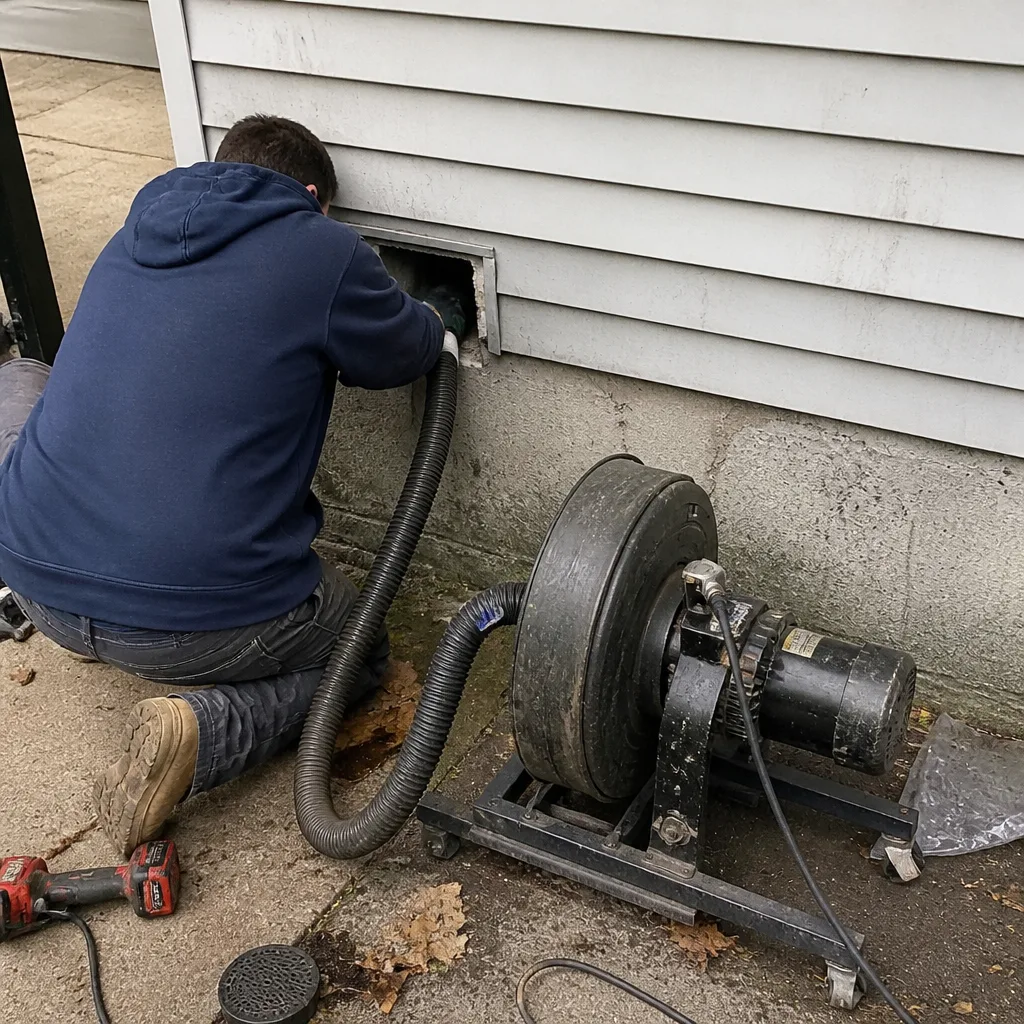 Before
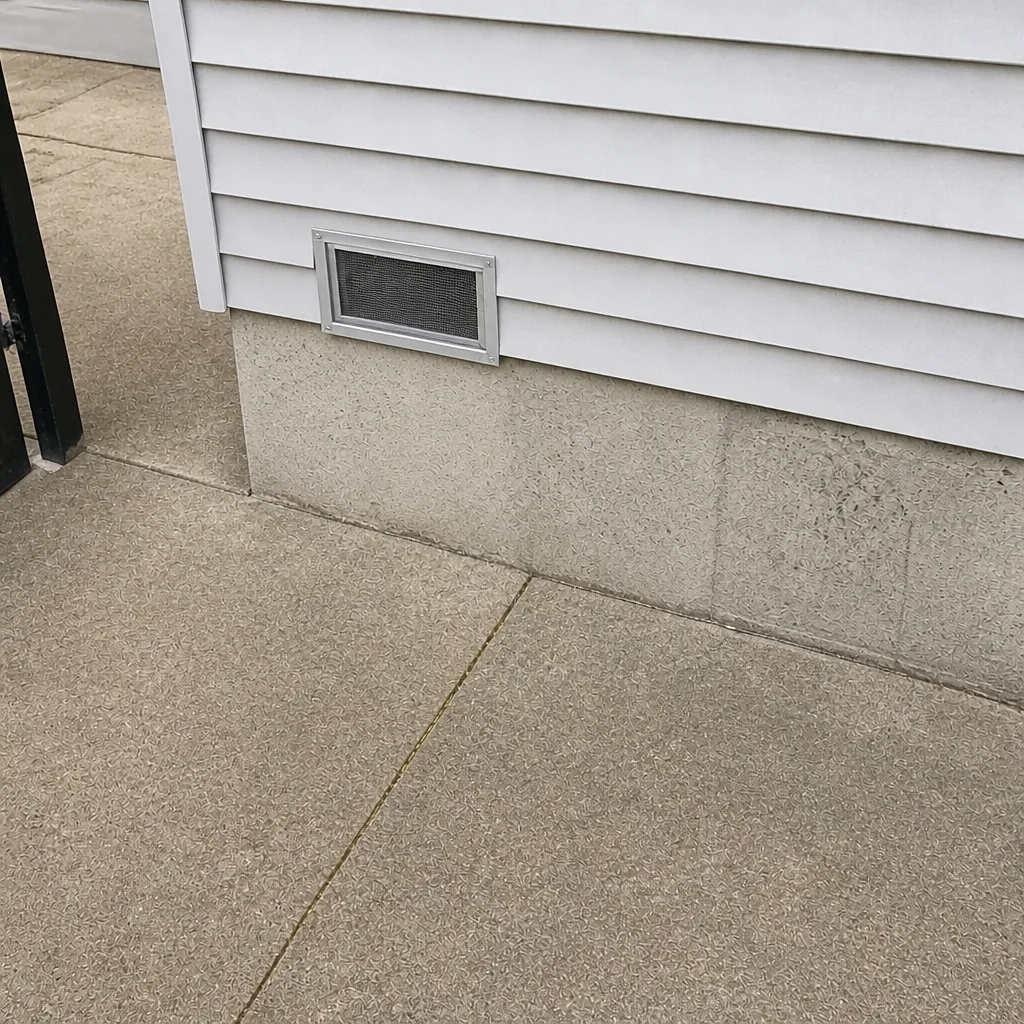 After
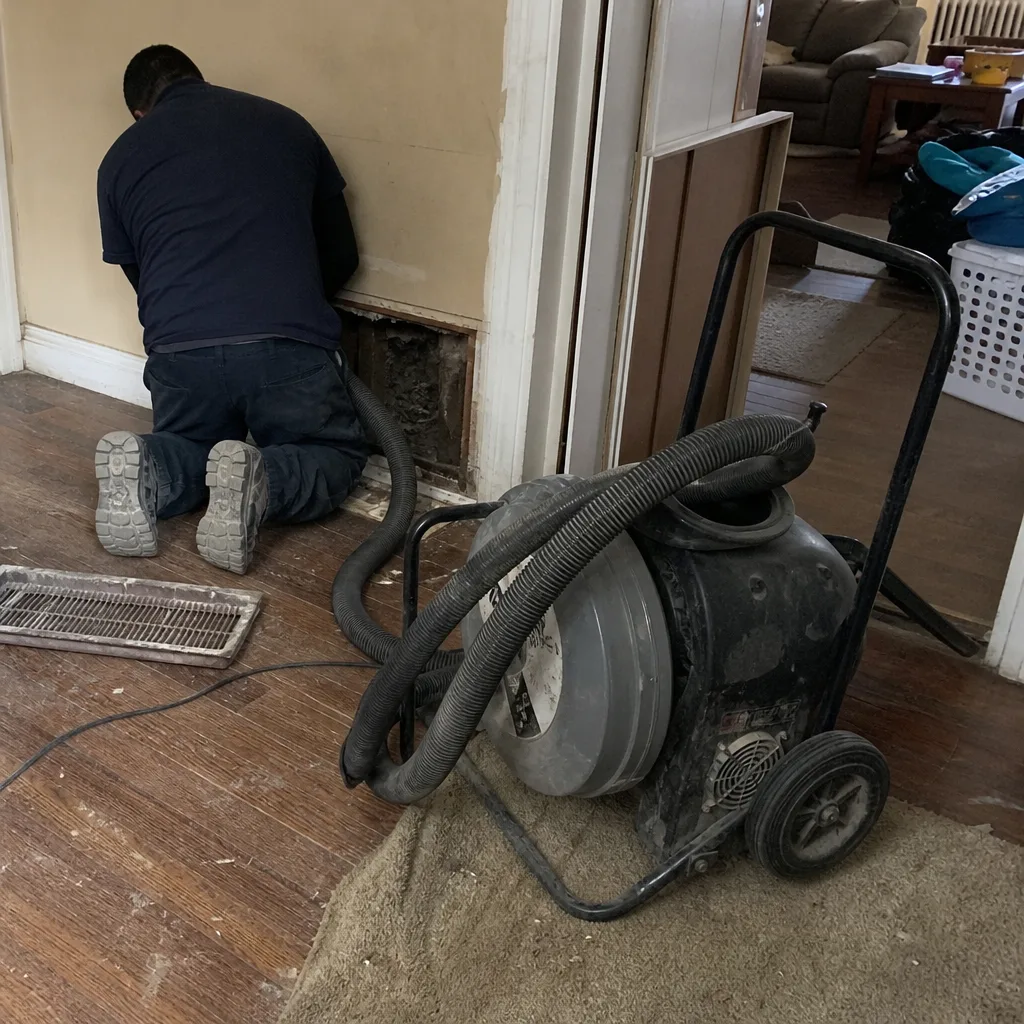 Before
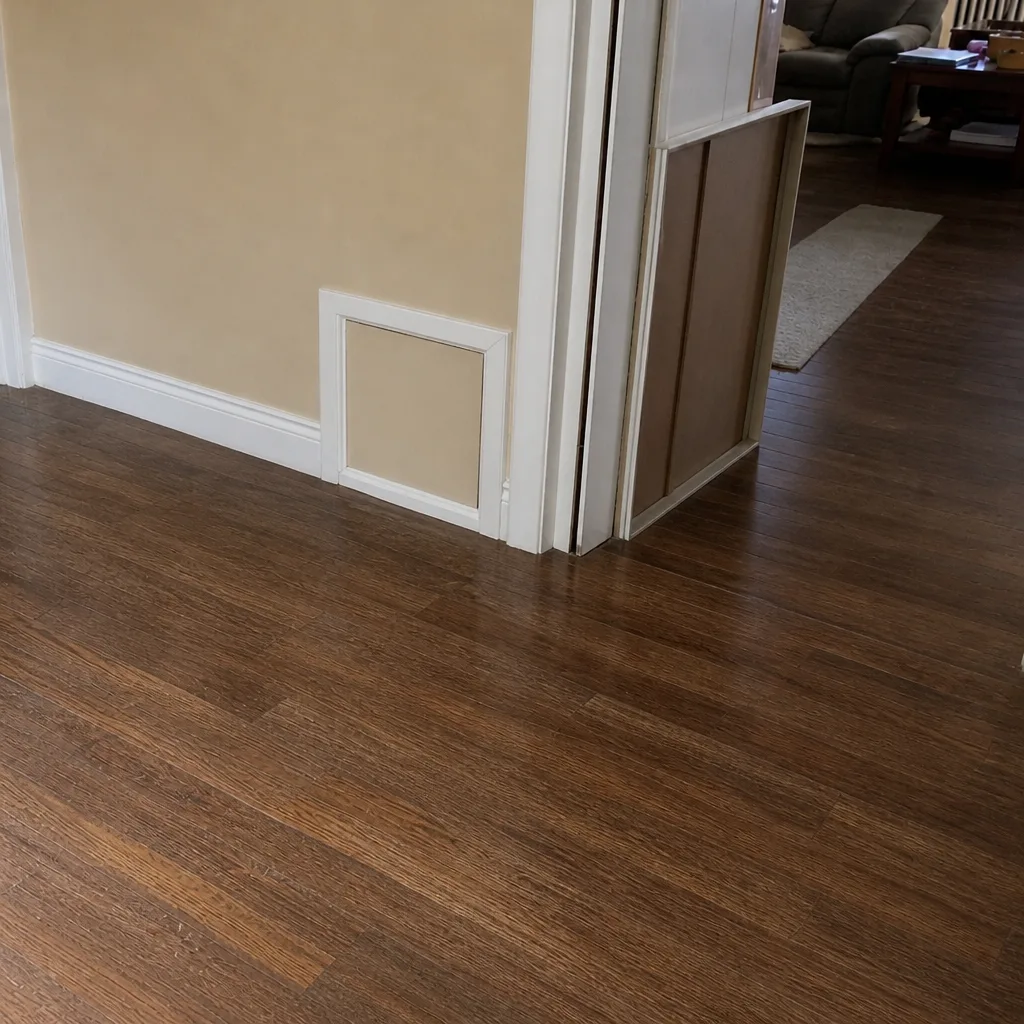 After
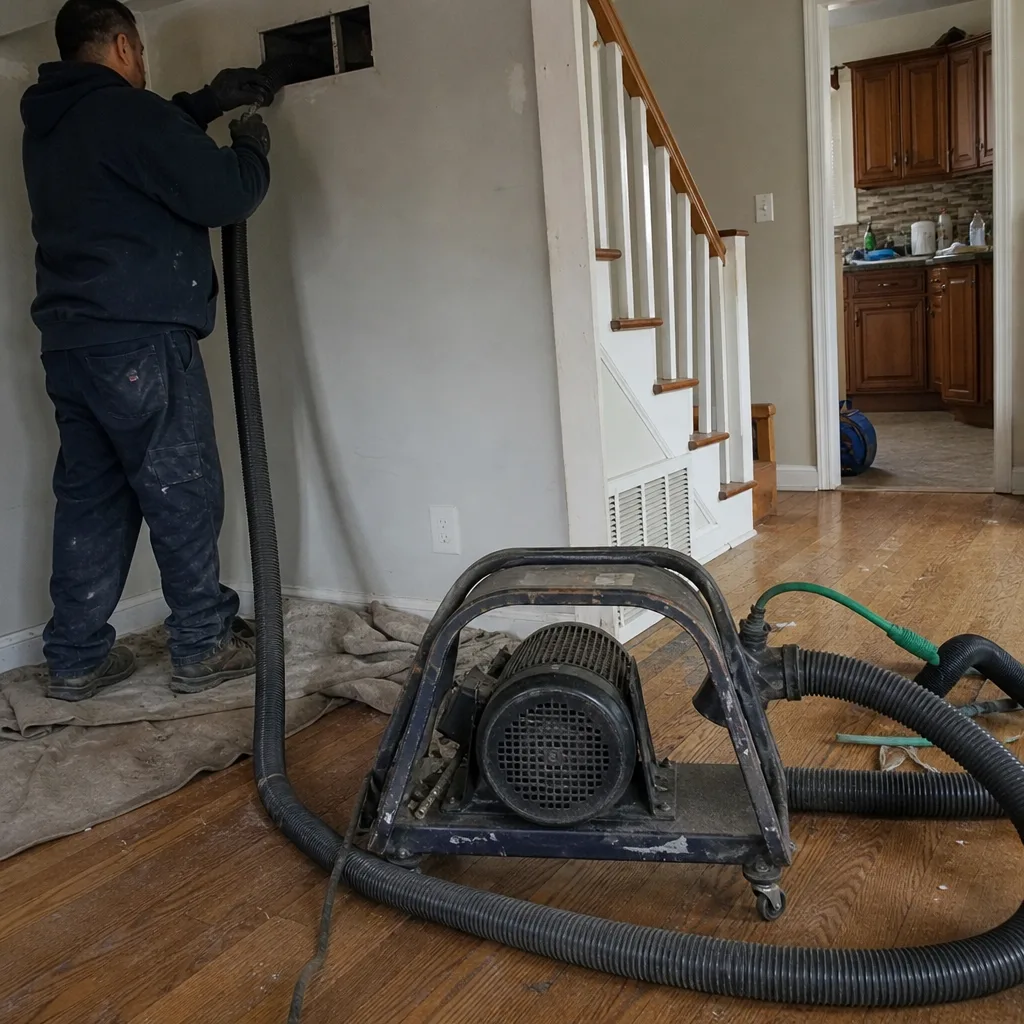 Before
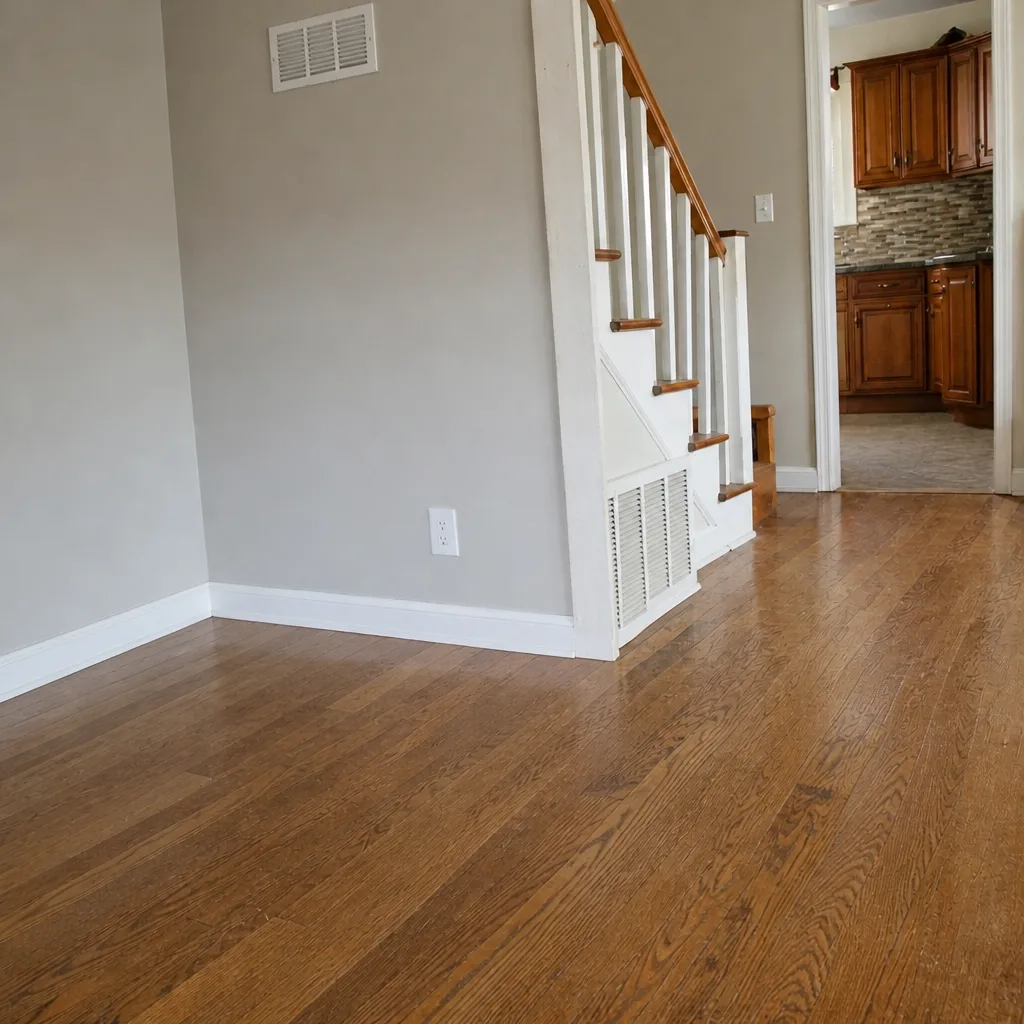 After
When to Call a Professional
Some situations call for a professional service, not a self-guided attempt. If any register has visibly dark buildup at the grille, if the airflow in one room has never matched its neighbors, if anyone in the household has worsening allergies with no clear cause, or if the dryer is taking noticeably longer to dry a load, those are inspection-and-cleaning triggers. A duct system that comes back clean on inspection needs no follow-up; a system that’s been running without attention for years, in a pre-1980 Williamsbridge house, almost always has something worth seeing. So does any system showing persistent dust film, which suggests a leak or disconnection rather than ordinary wear. Air Duct Cleaning Williamsbridge offers free estimates in Williamsbridge, and our technicians have up to 13 years of experience. Call (844) 443-3861 to book an inspection. We answer 24/7, with fast dispatch from 7am to 7pm, Sunday through Friday.
Frequently Asked Questions
It’s priced per job by the written estimate, because the cost depends on system size, access, and contamination levels, not a per-vent count. Honest quotes cover one flat price per system agreed before work starts, and any additional work is priced separately and transparently. Call (844) 443-3861 for an exact quote; estimates are free.
Cheap quotes usually leave out the sections that matter most, typically the branch runs and supply boots closest to your living spaces, or they use per-vent teaser pricing that grows once the technician arrives. Ask every contractor which sections of the pathway their price covers and whether the price is flat per system. If the answer is vague, the cheap number isn’t a real price. Call (844) 443-3861 for a scope-first quote; estimates are free.
You ask for before-and-after photographs of your own ducts, airflow measurements, and a filter assessment. Together they give you a record, not a promise. Any contractor who can’t provide all three is asking you to take their word for it. Call (844) 443-3861 to schedule a full-system clean with verification included; estimates are free.
Most homes in Williamsbridge benefit from an assessment every few years, with actual cleaning scheduled based on what inspection finds rather than on a fixed calendar. Homes with pets, recent renovation, or any sign of dust buildup at registers warrant a check sooner. Call (844) 443-3861 to book an inspection; estimates are free.
Yes, in one specific respect. Pre-1980 construction sometimes used materials around duct chases and pipe penetrations that need to be identified before any work disturbs them. That’s why inspection comes before cleaning, especially in retrofitted duct systems where the original routing isn’t obvious. Call (844) 443-3861 if you’d like an inspection before booking anything; estimates are free.
A full-system clean covers the entire air pathway: return grilles, return ducts, the air handler, the main trunk, branch runs, and supply boots, plus a filter assessment and verification with photos and airflow readings. A basic clean often stops at the trunk and the grilles. Call (844) 443-3861 to schedule the full version; estimates are free.
The Bottom Line
Air duct cleaning is not one service, and that’s the takeaway that matters. A complete clean covers every section of the air pathway, from return grilles through the air handler, trunk, branch runs, and supply boots, because stopping short just redistributes contamination. Older Williamsbridge housing adds its own considerations: retrofitted ductwork, galvanized metal corrosion, and the need to inspect carefully before disturbing anything. Three things separate a real clean from a superficial one: negative-pressure source removal instead of a shop vacuum, verification with your own before-and-after photos and airflow readings, and a flat price per system agreed up front. Add dryer vent cleaning to the visit, and you close the one safety gap most air duct services leave open. One visit, one team, the whole path.
If your system hasn’t had a proper inspection in years, or if a quote from someone else left you wondering what wasn’t included, we can help. Air Duct Cleaning Williamsbridge offers free estimates, uses commercial-grade equipment from Rotobrush and Nikro, and closes every visit with before-and-after photos so you see exactly what was done. The local professional we connect you with is state-licensed and insured as New York requires. Call (844) 443-3861. We answer 24/7. Fast dispatch from 7am to 7pm, Sunday through Friday.
Written by the team at Air Duct Cleaning Williamsbridge.