
Last updated November 22, 2026
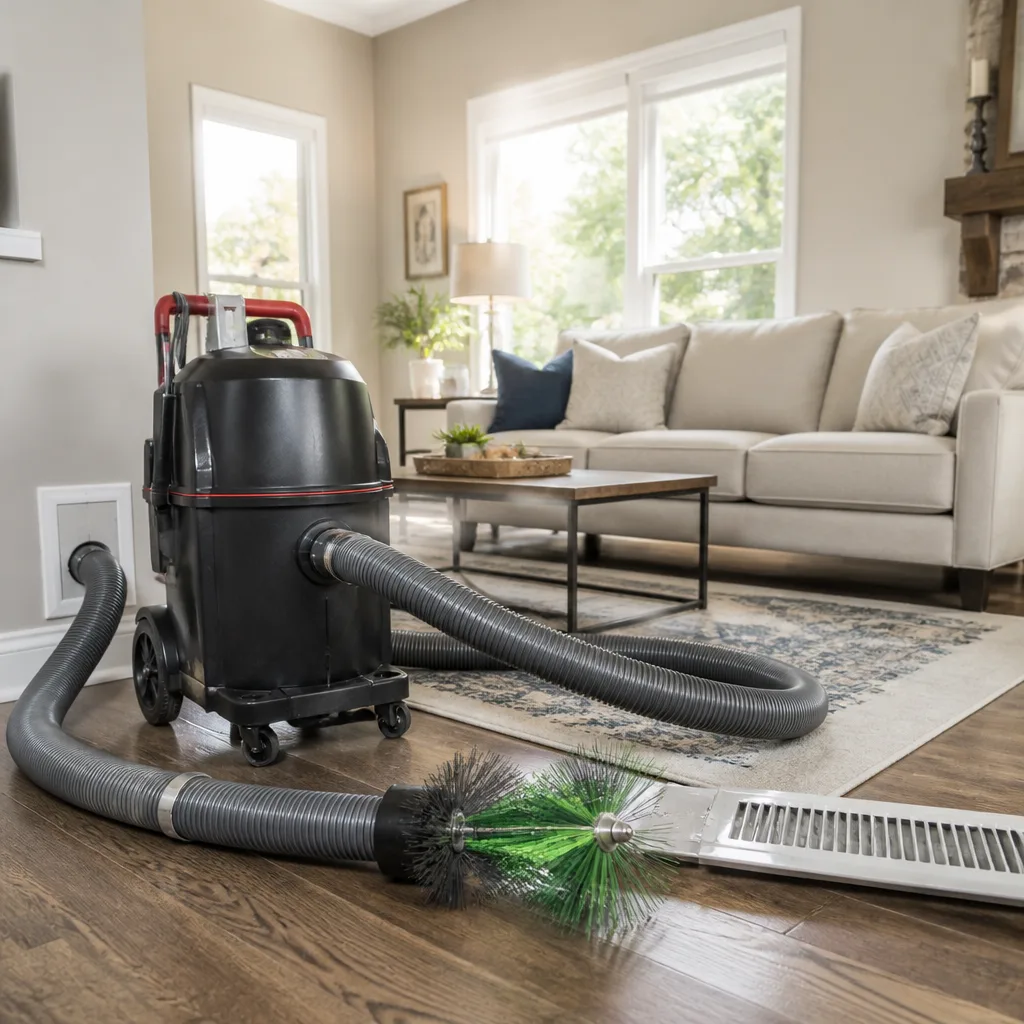 Whole-home duct cleaning
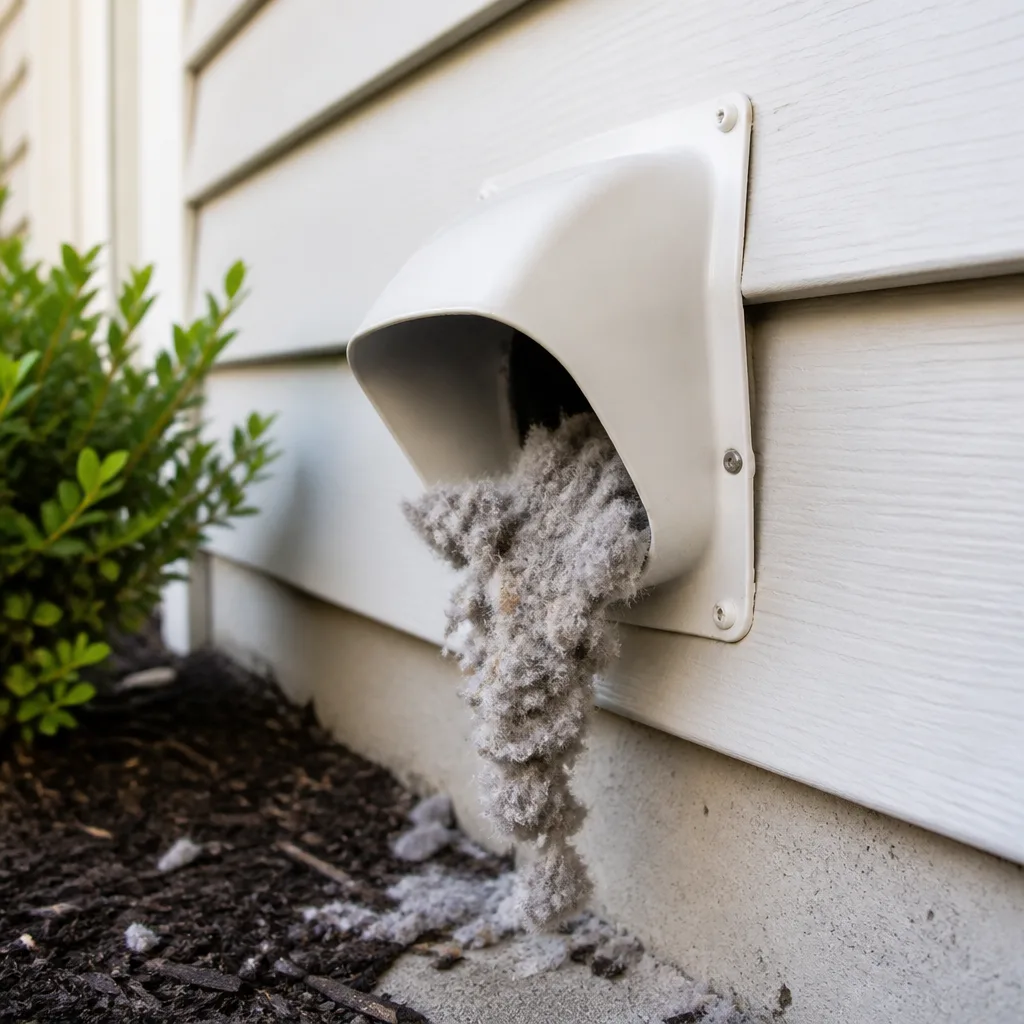 Dryer vent cleaning
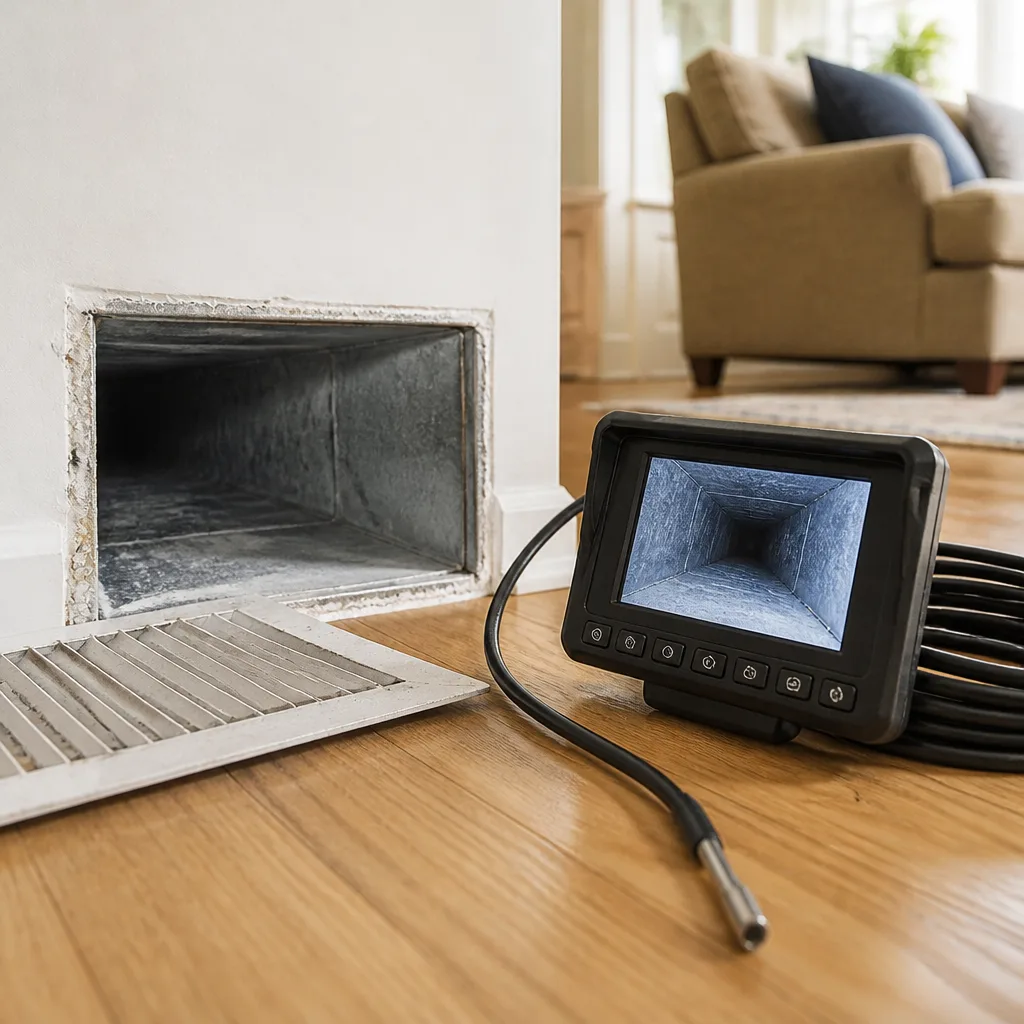 Camera inspection
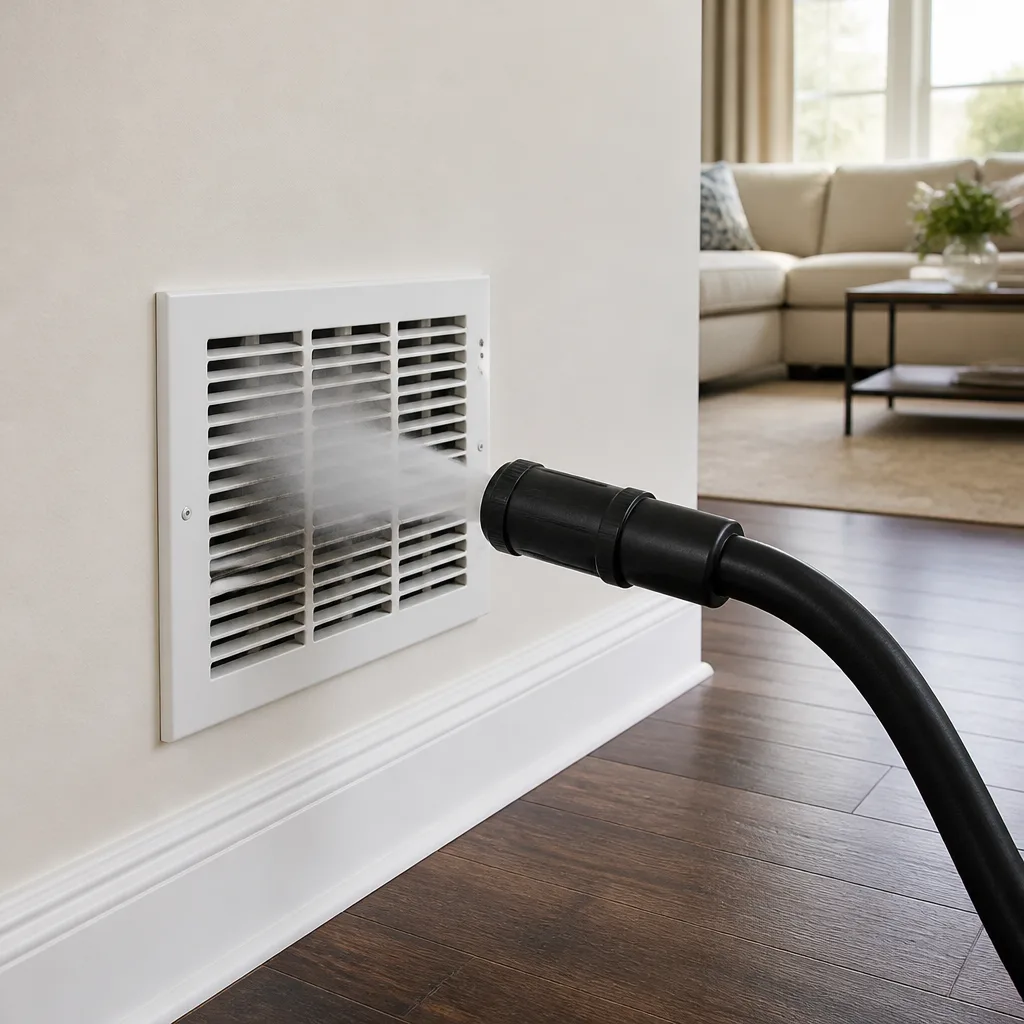 Sanitizing & deodorizing
Whole-system duct and dryer vent check with before-and-after photos - you see exactly what came out of your vents
That "$99 whole-house special" is a bait ad - the real number appears once they are in your hallway, or the "clean" is a shop-vac at the register. We photograph the inside of your ducts before and after instead.
Air Duct Cleaning Troubleshooting in Williamsbridge: Common Problems and How to Fix Them
If you’ve had your ducts cleaned twice in three years and still smell something musty when the AC kicks on, the duct cleaning didn’t fail. The diagnosis did. Most of what homeowners in Williamsbridge try to fix with another cleaning – weak airflow in the back bedroom, a smell that comes back, rooms that never quite reach the thermostat setting – are symptoms of problems that surface cleaning can’t touch. A leaky return, a collapsed flex run, a blower pulling against a clogged coil: none of those get better because someone ran a brush through the trunk line. This guide walks you through how to tell those problems apart before you spend money on the wrong fix.
Quick Answer
Most persistent air quality complaints in Williamsbridge homes come from one of three sources: real debris buildup inside the ductwork, leaks and gaps in the duct system, or an HVAC equipment problem upstream of the ducts. Fixing the right one starts with airflow and odor clues, not with another cleaning. A camera scope inspection is usually the cheapest first step before any work begins.
Styles & brands we work with
- Whole-home duct cleaning
- Dryer vent cleaning
- Camera inspection
- Sanitizing & deodorizing
Table of Contents
- How do you tell if it’s dirty ducts, a duct leak, or an HVAC problem?
- Why do only some rooms have weak airflow?
- What do the different smells in your ducts actually mean?
- Why does DIY duct cleaning with a shop vacuum make things worse?
- When is a camera scope the right first step?
- When does a duct system need sanitizing vs. mechanical cleaning?
- How does dryer vent trouble show up before it becomes a fire risk?
- Why the whole air pathway matters, not just the ducts
How do you tell if it’s dirty ducts, a duct leak, or an HVAC problem?
The fastest way to sort it out is to watch how the symptom behaves across seasons and across rooms. Dirty ducts tend to produce symptoms that are steady and everywhere. Duct leaks tend to be room-specific and get worse when the system works harder. HVAC equipment problems tend to change with mode – heating versus cooling – and often show up at the vents closest to the air handler. Watch those patterns for a week and you’ll usually have your answer.
Here’s the breakdown we walk through with homeowners in Williamsbridge:
- Dirty ducts: Dust appears at every supply register within days of cleaning, the filter loads up fast, and there’s visible debris at the return grille. Symptoms are uniform across the house.
- Duct leak: One or two rooms are consistently weaker, a supply boot is warm to the touch even when the system is running, and you sometimes hear a faint hiss near a ceiling or floor register. Air is escaping into a wall cavity or attic instead of reaching the room.
- HVAC equipment: Airflow is weak at every vent at once, or the blower cycles oddly. A clogged evaporator coil or a failing blower motor will mimic dirty ducts from a distance, but the filter stays clean and the registers stay clean with it.
Notice that only one of those three is a cleaning problem. That’s the point. Diagnosing first means you don’t pay for air duct cleaning when the real issue is a disconnected flex run, or pay for sealing when the coil is the culprit.
Why do only some rooms have weak airflow?
When a single room has weak airflow while the rest of the house is fine, debris buildup is almost never the cause. Air moves through a duct system the way water moves through plumbing: it takes the path of least resistance. A room with low pressure can be starved by something as simple as an over-long flex run, a boot that was never properly sealed, a crushed section of duct behind drywall, or a supply line that was rerouted to feed a renovation.
In Williamsbridge’s older housing stock, we see this a lot. Two-story homes originally built with one supply per room got subdivided, or a dormer added a bedroom with a single 6-inch run pulled off the trunk. That run moves air, but not enough. Meanwhile the room next door with the original 8-inch boot gets everything it needs. The result reads as “weak airflow in the back bedroom” when the real problem is duct geometry.
Work through it in this order:
- Close every supply register in the house, then open them one at a time. If the weak room improves when others are closed, the system is undersized or the runs are too long.
- Check the filter. A loaded filter starves the whole system but hits the farthest runs hardest.
- Feel the supply boot at the weak room while the system runs. If the boot itself is cool (in cooling mode), air is arriving but not enough of it. If the boot is warm, the leak is upstream.
- Listen for hissing or whistling at floor and ceiling registers. That sound is a sealing gap, not debris.
- If none of those pan out, a camera scope will show a crushed or disconnected run that no amount of cleaning will fix.
Sealing and re-balancing solve more weak-room complaints than cleaning does. Duct repair and sealing should be on the table from the start when the symptom is isolated to one or two rooms.
What do the different smells in your ducts actually mean?
Odor is the most useful clue in the whole diagnosis, and it’s the one homeowners most often misread. The smell itself is telling you what’s growing or decaying inside the system, and each profile points to a different fix.
Musty, basement-like, earthy. That’s a mold or mildew signature, and it usually means moisture is entering the system somewhere. A clogged condensate drain, a humid summer in the Bronx with a poorly sealed return, or a coil that never fully dries between cycles all fit. A musty house in Williamsbridge after a humid stretch is not unusual, but a musty duct system is a moisture problem first and a cleaning problem second.
Sharp, ammonia-like, or animal. Rodent activity. Rodents enter duct systems through gaps at the foundation, at the return plenum, or through old openings left behind by renovations. Droppings and urine soak into duct liner and insulation. Surface cleaning won’t remove the contamination from porous materials.
Burnt, acrid, or hot-plastic. This one stops the diagnosis. Burnt smell in a duct system can indicate an electrical problem at the air handler, an overheated blower motor, or debris touching a heat source. Turn the system off and have it inspected before running it again. We won’t speculate on what you’re smelling over the phone – a technician needs to be in front of the equipment.
Chemical or solvent. Something volatile is off-gassing into the airstream, usually from a renovation, a stored product, or a fresh paint or stain job in an adjoining space. Ventilate, keep the system off until it clears, and get the source identified.
Why does DIY duct cleaning with a shop vacuum make things worse?
Because a shop vacuum doesn’t remove debris from a duct system – it redistributes it, and the direction it moves debris is often toward the air handler. A duct system under normal operation is under negative pressure at the return and positive pressure at the supplies. The moment you start poking a hose into a register, you’re working against that pressure gradient. Loose debris lifts, gets pulled back through the return, and lands on the evaporator coil or in the blower housing where it does more harm than it did in the duct.
The other problem is what a shop vacuum can’t reach. Duct runs in Williamsbridge homes turn corners, pass through wall cavities, and often contain sections of flexible duct with internal liner. A vacuum hose that barely clears the register boot can’t reverse direction at a 90-degree elbow, and it can’t scrape liner without damaging it. Consumer vacuums also lack the volume and filtration to hold fine particulate. What gets pulled into the canister is only part of what gets stirred up.
Professional systems do the job in the opposite order. A Rotobrush or Nikro setup puts the system under controlled negative pressure at the main trunk while agitation tools work back toward the vacuum, so debris travels one way – out. High-efficiency filtration keeps what’s captured captured. The difference isn’t horsepower. It’s direction, containment, and reach.
When is a camera scope the right first step?
A camera scope is the right first step any time the symptom doesn’t clearly match dirty ducts, or any time a previous cleaning didn’t solve the problem. It’s a small inspection camera run through the system to see what’s actually happening in the ductwork – collapsed runs, disconnected joints, rodent entry points, standing moisture, debris piles at elbows. For a homeowner who’s already paid for one cleaning and still has the problem, it saves money. For a homeowner about to commit to a bigger job, it confirms the work is needed before it starts.
We reach for the scope in Williamsbridge when:
- Only specific rooms have weak airflow and closing other registers doesn’t fix it
- A musty smell persists after cleaning or returns within weeks
- There’s been a rodent or pest issue in the home
- The house has had a renovation, addition, or duct reroute
- A previous cleaning quote included work the homeowner couldn’t visualize
Seeing the inside of the duct before agreeing to work is also the best defense against the industry’s bait-and-switch reputation. A scope view of your own system, before and after, is something you can check. Before-and-after photos follow the same principle: whatever we recommend should be something you can see.
When does a duct system need sanitizing vs. mechanical cleaning?
Mechanical cleaning removes debris. Sanitizing treats what’s left on the surfaces after debris is gone. The two are not interchangeable, and doing one without the other wastes money in either direction. Cleaning a moldy system without addressing moisture leaves the mold to return. Sanitizing a debris-loaded system traps contamination under a treatment that can’t do its job.
Sanitizing is the right call in these situations:
- The odor profile is mold or mildew and moisture has been addressed at the source
- There’s been rodent contamination and the affected liner or insulation has been removed and replaced
- A previous occupant kept pets, smoked indoors, or had a pest problem the current owner inherited
- A recent water event affected the HVAC system or the rooms it serves
The order matters: mechanical removal first, then sanitizing, then a finish that protects the clean surfaces. We use Abatement Technologies equipment in the sanitizing step and Guardsman-grade finishing products in the protect step, which gives the treatment a standard to hold to rather than a one-and-done spray. Air quality additions like Honeywell and Aprilaire filtration components round out the system so the freshly cleaned ductwork doesn’t load back up in a season.
How does dryer vent trouble show up before it becomes a fire risk?
Dryer vent lint is flammable, and a restricted vent is one of the leading causes of residential fires – the kind of hazard that builds quietly for years. In Williamsbridge homes, older construction often means long, elbow-heavy dryer vent runs that weren’t designed with lint in mind, and vent runs that terminate in a sidewall, a roof, or an interior chase. Every one of those configurations traps lint differently.
Watch for these warning signs:
- Clothes take noticeably longer to dry than they used to
- The dryer or the laundry area feels unusually hot during a cycle
- The exterior vent flap barely opens, or doesn’t open at all
- Lint collects around the outside of the vent hood or the interior of the laundry room
- A burning or scorched smell during drying cycles
Any of those signs means the vent needs to be cleared before the next load. dryer vent cleaning is a short job when it’s done on schedule and a much bigger one when the vent has been restricted for a while. It’s a fire-safety service more than a convenience service, and we treat it that way.
Why the whole air pathway matters, not just the ducts
A duct system isn’t a standalone component. It connects the return grilles, the air handler, the evaporator coil, the blower, the supply plenum, and the registers. A problem at any link produces symptoms that a homeowner naturally reads as “dirty ducts.” Cleaning the ducts without cleaning the coil and blower housing leaves the biggest debris reservoirs untouched, and the system pulls what’s left on those surfaces back into the airstream on the next cycle.
This is why we handle the whole air pathway as one job. HVAC cleaning covers the coil and blower components that duct cleaning doesn’t reach. Duct repair and sealing closes the leaks that starve rooms and pull attic or wall-cavity air into the system. Air quality and sanitizing handles the finish-and-protect step. One team, one visit, one written scope – not three contractors with three opinions about whose problem it is.
Our technicians have up to 13 years of experience, and the equipment behind the diagnosis is the same professional-grade gear used in restoration work – Rotobrush and Nikro for extraction, Abatement Technologies for sanitizing. That’s not a marketing line. It’s the reason a scope inspection is meaningful rather than decorative: we can see the inside of a duct system, explain what we found, and then do the work that finding calls for.
Common Mistakes to Avoid
- Cleaning before diagnosing. If you don’t know whether the problem is debris, a leak, or the equipment, cleaning is a guess. Diagnose first, then decide what to spend money on.
- Assuming weak airflow in one room is a duct problem. In Williamsbridge’s older homes it’s more often a sealing gap or an undersized run. Cleaning won’t move more air into that room; sealing or re-balancing will.
- Treating a mold smell with sanitizer alone. Sanitizing a moldy system without finding the moisture source just resets the clock. Fix the moisture, then sanitize.
- Running the system with a burnt smell. That’s a call-a-professional-now situation, not a cleaning situation. Turn the system off and have it looked at.
- Poking a shop vacuum into the registers. You’re working against the system’s pressure gradient and pushing debris toward the coil and blower, not out of the system.
- Skipping the dryer vent because the ducts were just done. The dryer vent is a separate system with a separate fire risk. Duct cleaning doesn’t clean it.
- Accepting a quote you can’t visualize. Ask for a scope view or before-and-after photos. If the recommendation can’t be shown to you, it can’t be checked either.
See the difference
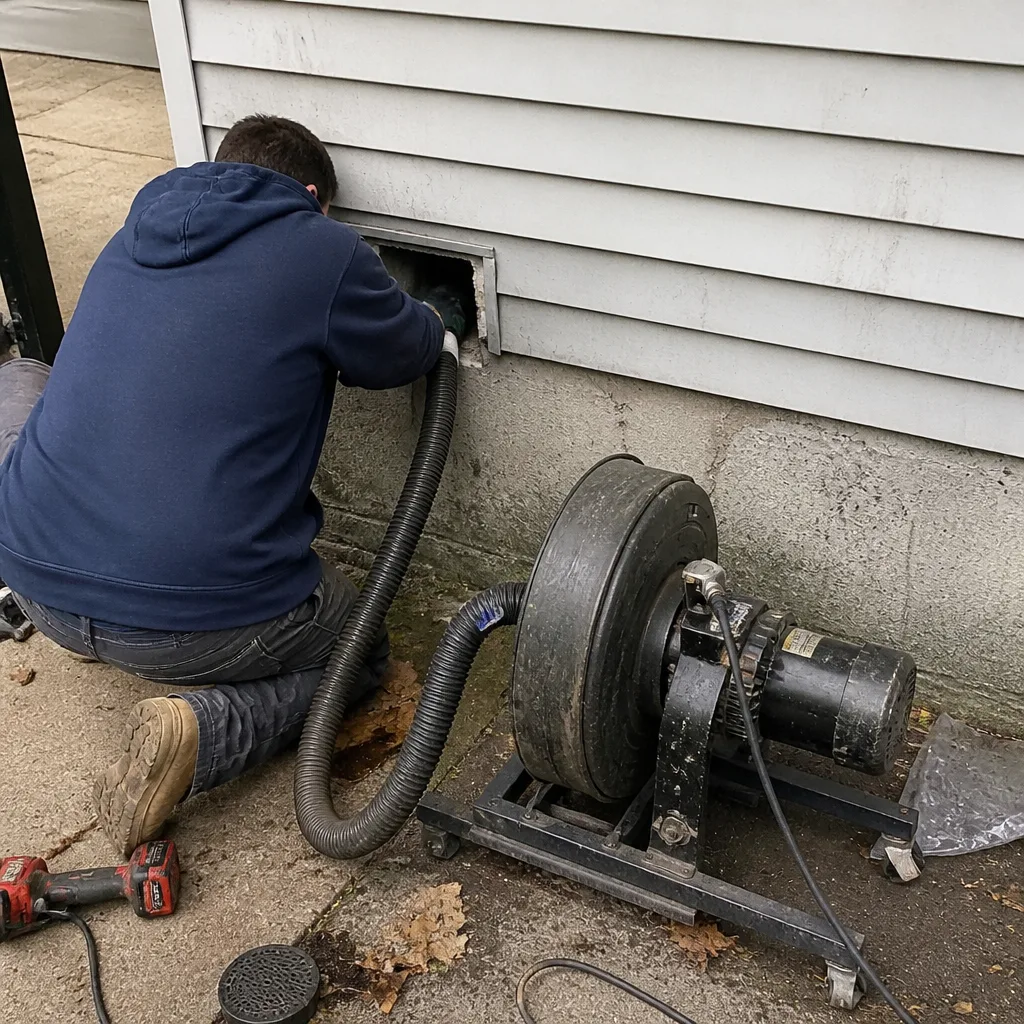 Before
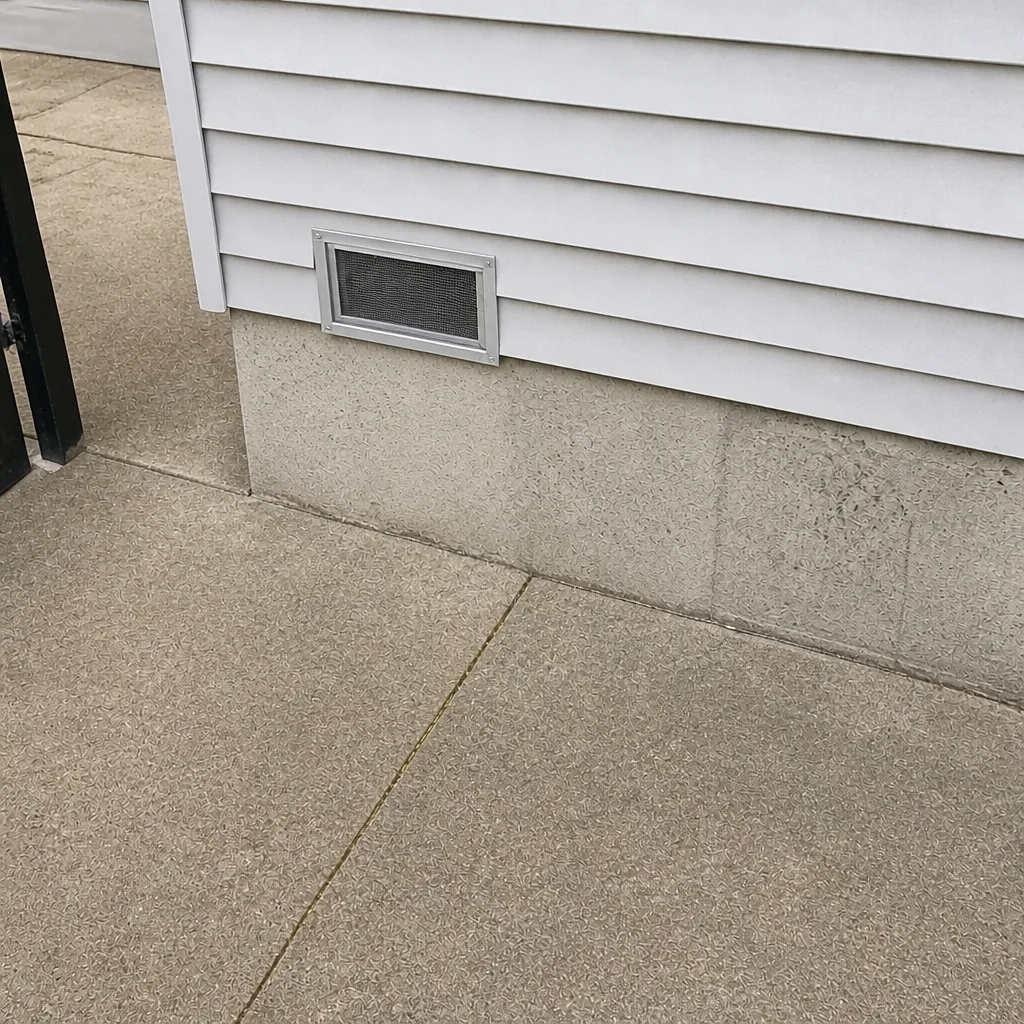 After
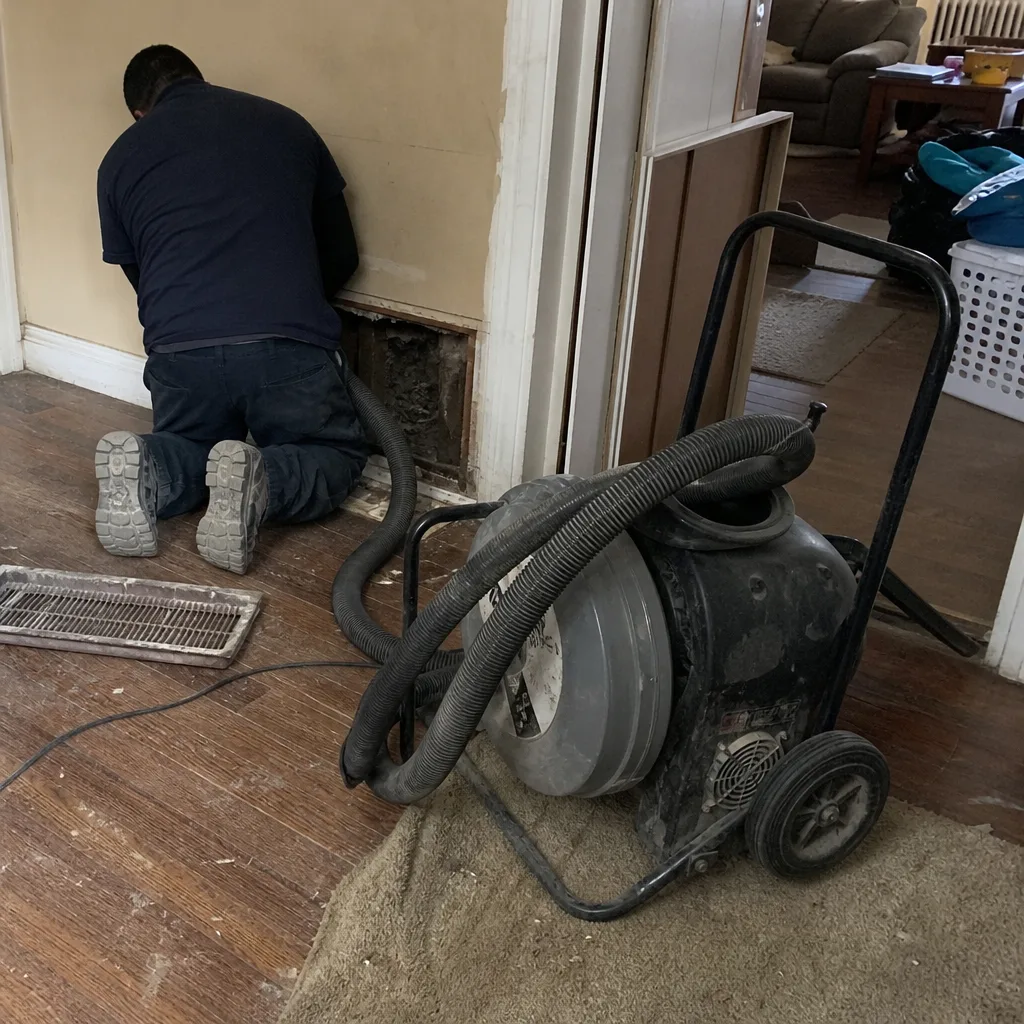 Before
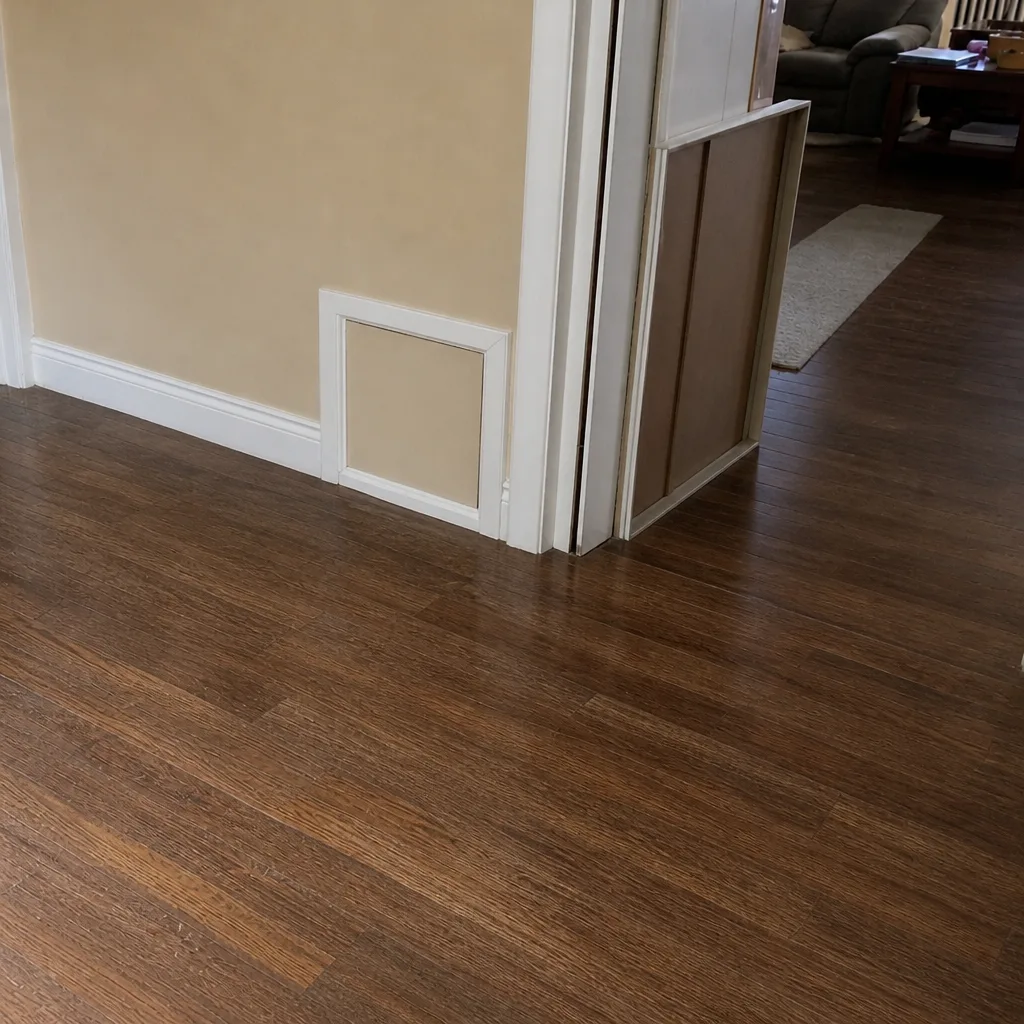 After
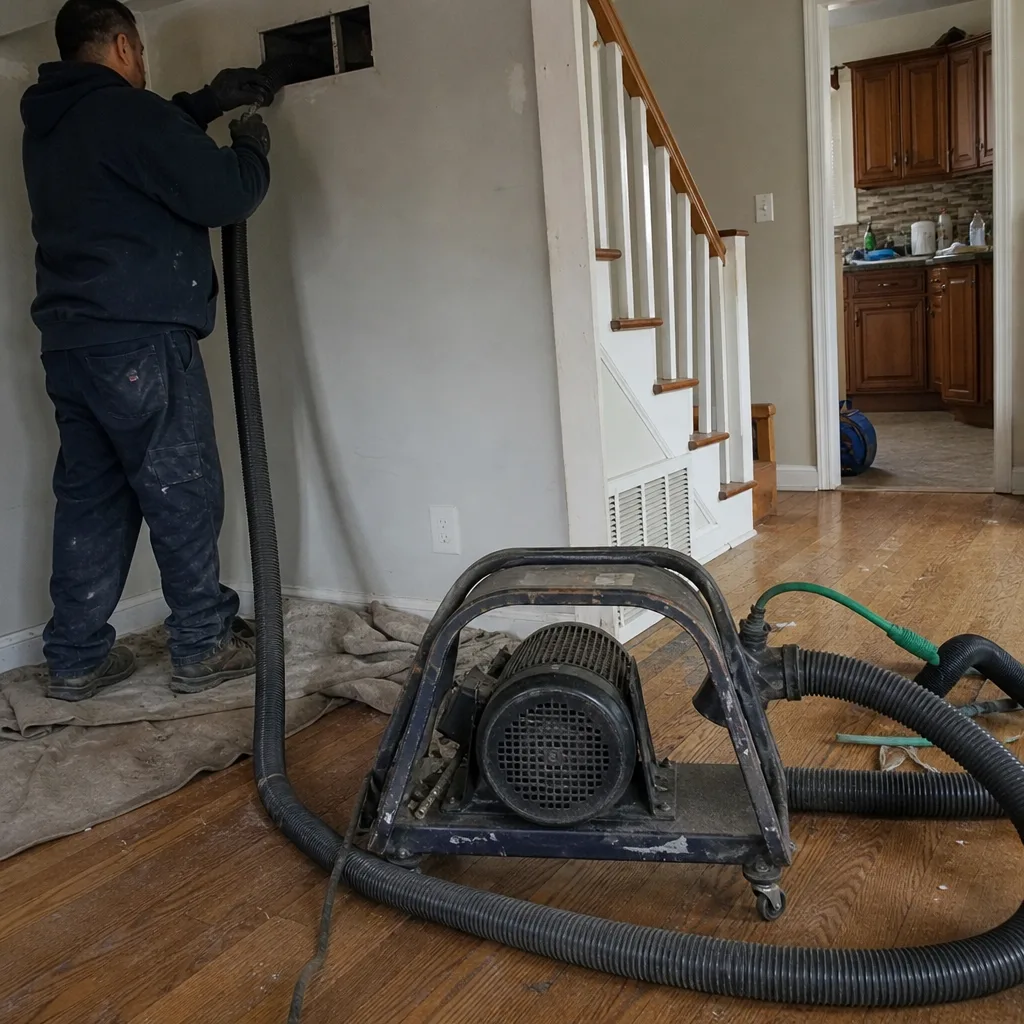 Before
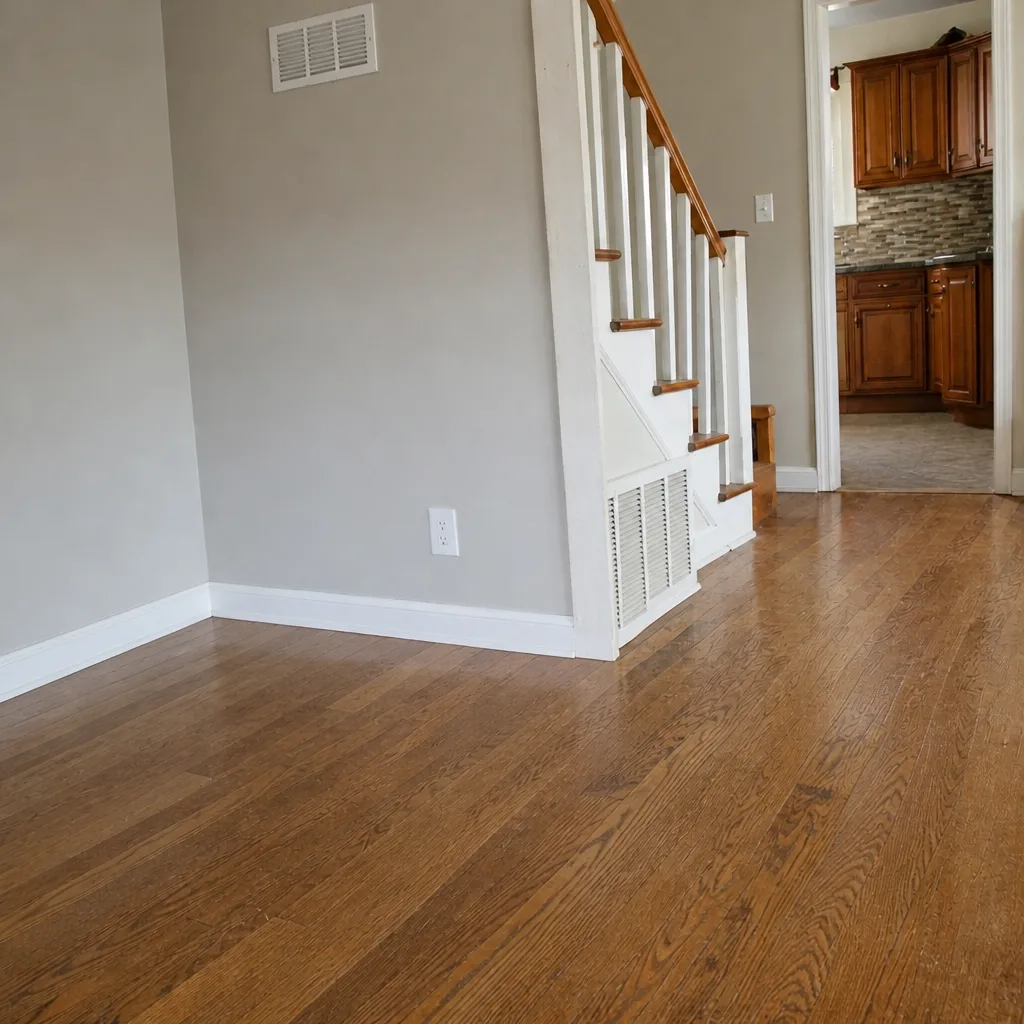 After
When to Call a Professional
Call us when the symptom doesn’t match a simple cleaning, when a previous cleaning didn’t hold, or when the smell changes character. Call when a burnt or electrical odor appears in the ducts – turn the system off first, then call. Call when one or two rooms have been weak for more than a season and closing other registers didn’t help. Call when you’ve had rodents or a water event, when you’re buying a Williamsbridge home with an unknown duct history, or when the dryer has started taking an extra cycle to finish a load. Those are all situations where diagnosing before spending is the whole game.
Air Duct Cleaning Williamsbridge offers free estimates in Williamsbridge – call (844) 443-3861. We answer 24/7. Fast dispatch from 7am to 7pm, Sunday through Friday.
Frequently Asked Questions
Most homes don’t need duct cleaning on a fixed schedule – it depends on what’s actually in the system. Factors that justify cleaning include visible debris at the return grilles, recent renovation or construction, a pest or rodent issue, water damage affecting the HVAC system, or persistent odor after a previous cleaning. If none of those apply, you probably don’t need it yet. Call (844) 443-3861 for a free estimate – we’ll tell you honestly if cleaning is the right answer.
The honest answer is that cost depends on the size of the system, the number of supply and return runs, whether sanitizing or sealing is needed, and whether the scope inspection turns up a repair. We give one flat price per system agreed before work starts – not a per-vent price, not a teaser coupon that turns into a bigger invoice. Before-and-after photos of your own ducts come with the job. Call (844) 443-3861 for an exact quote – estimates are free.
Cheap quotes usually cover less work than they appear to. A low headline price often reflects a quick pass through the accessible registers with a consumer-grade vacuum, not a whole-system cleaning with commercial equipment. It may not include the air handler, the coil, or dryer vent clearing. Ask what’s included, ask whether the technician will scope the system, and ask for before-and-after photos. If the answer is vague, the price is too. Call (844) 443-3861 for a quote we can walk you through line by line.
You should be able to see it. A camera scope view of your duct system before and after the cleaning, plus before-and-after photos of your own ducts, is the standard we work to. You should also see a difference in how the registers look and how the system moves air. Call (844) 443-3861 to book an estimate and we’ll walk you through what the inspection shows before any work begins.
Only if the cleaning is paired with finding the moisture source. A musty odor in the duct system means mold or mildew has a moisture supply – a clogged condensate drain, a leaky return, or a humid climate cycle the system never dries out from. Cleaning without fixing the moisture resets the clock but not the outcome. Sanitizing is the right step once the moisture is corrected. Call (844) 443-3861 for a free estimate – we’ll scope the system and explain what we find.
Yes – it’s a separate system with a separate risk. The dryer vent carries lint, lint is flammable, and a restricted vent is one of the leading causes of residential fires. Duct cleaning doesn’t touch it. If clothes are taking longer to dry, the vent flap barely opens, or the laundry area is running unusually hot, get it cleared before the next load. Call (844) 443-3861 for a free estimate.
The Bottom Line
Most duct “problems” in Williamsbridge are diagnosis problems, not cleaning problems. A single weak room points to a sealing gap or duct geometry. A musty smell points to moisture. A burnt smell points to the equipment and stops the diagnosis entirely. A rodent smell points to entry points and contaminated liner. Only constant, everywhere, uniform dust points to debris buildup that cleaning will actually fix. Diagnose with airflow and odor clues first, use a camera scope when the symptom doesn’t match, and treat the whole air pathway – ducts, coil, blower, dryer vent – as one system. That’s how you stop paying twice for the wrong fix.
We connect homeowners and property managers across Williamsbridge with vetted local air-system professionals. The local pro is licensed and insured as their state requires, and the estimate is free and written per job.
Call (844) 443-3861. We answer 24/7. Fast dispatch from 7am to 7pm, Sunday through Friday.
Written by the team at Air Duct Cleaning Williamsbridge.