
Last updated November 22, 2026
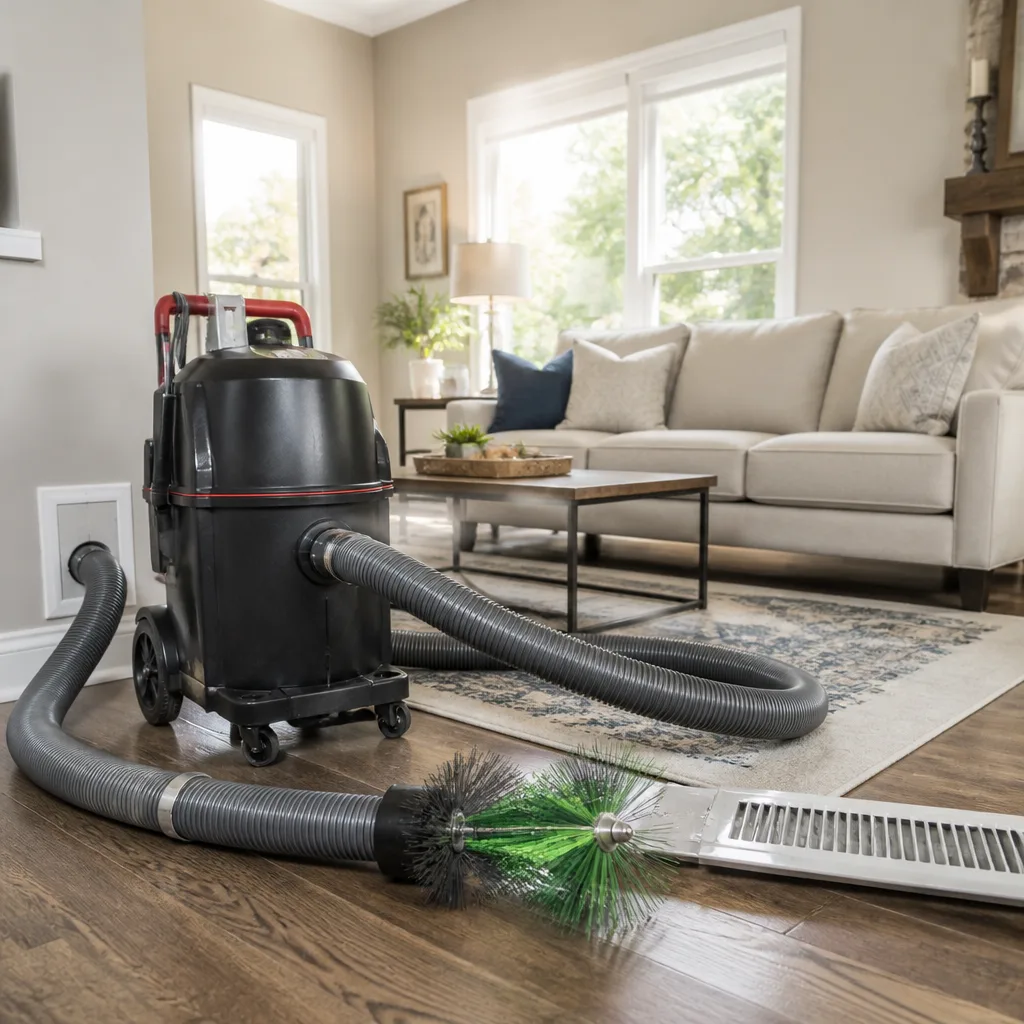 Whole-home duct cleaning
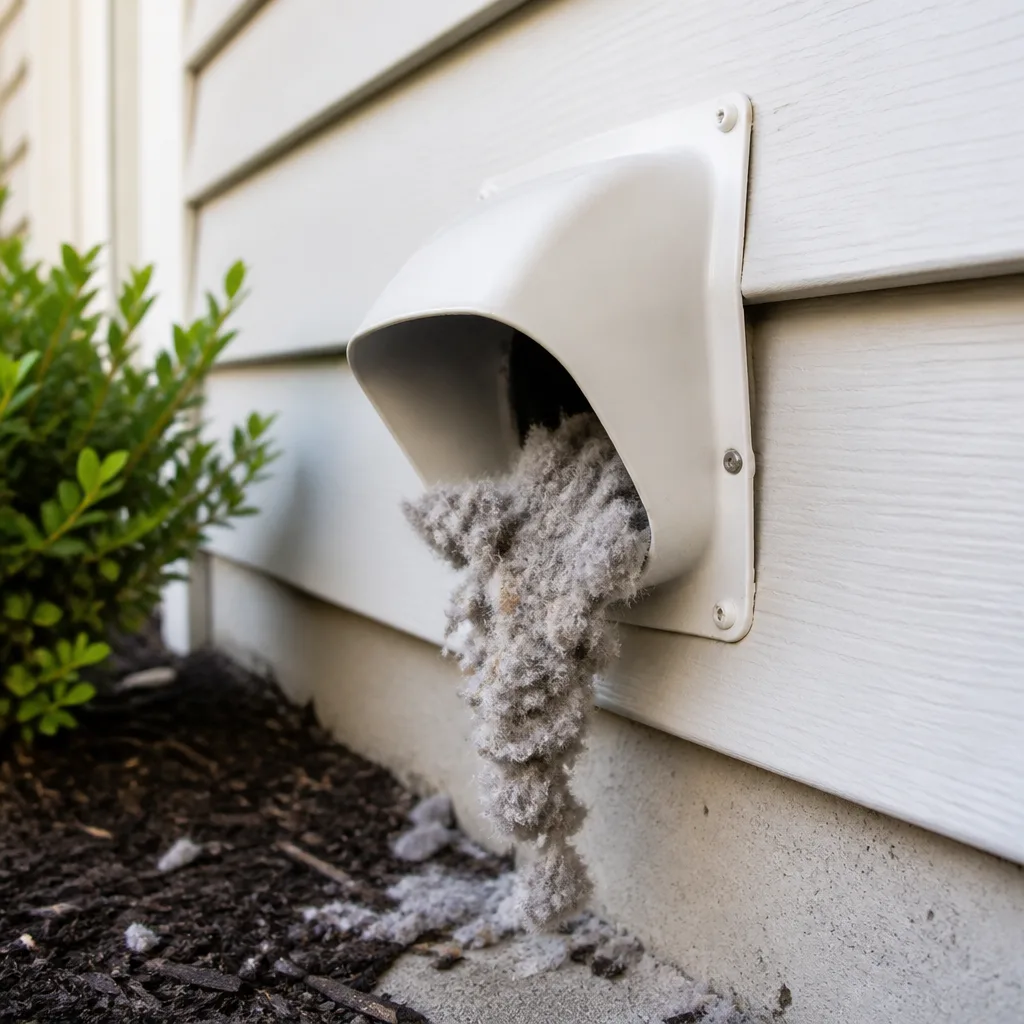 Dryer vent cleaning
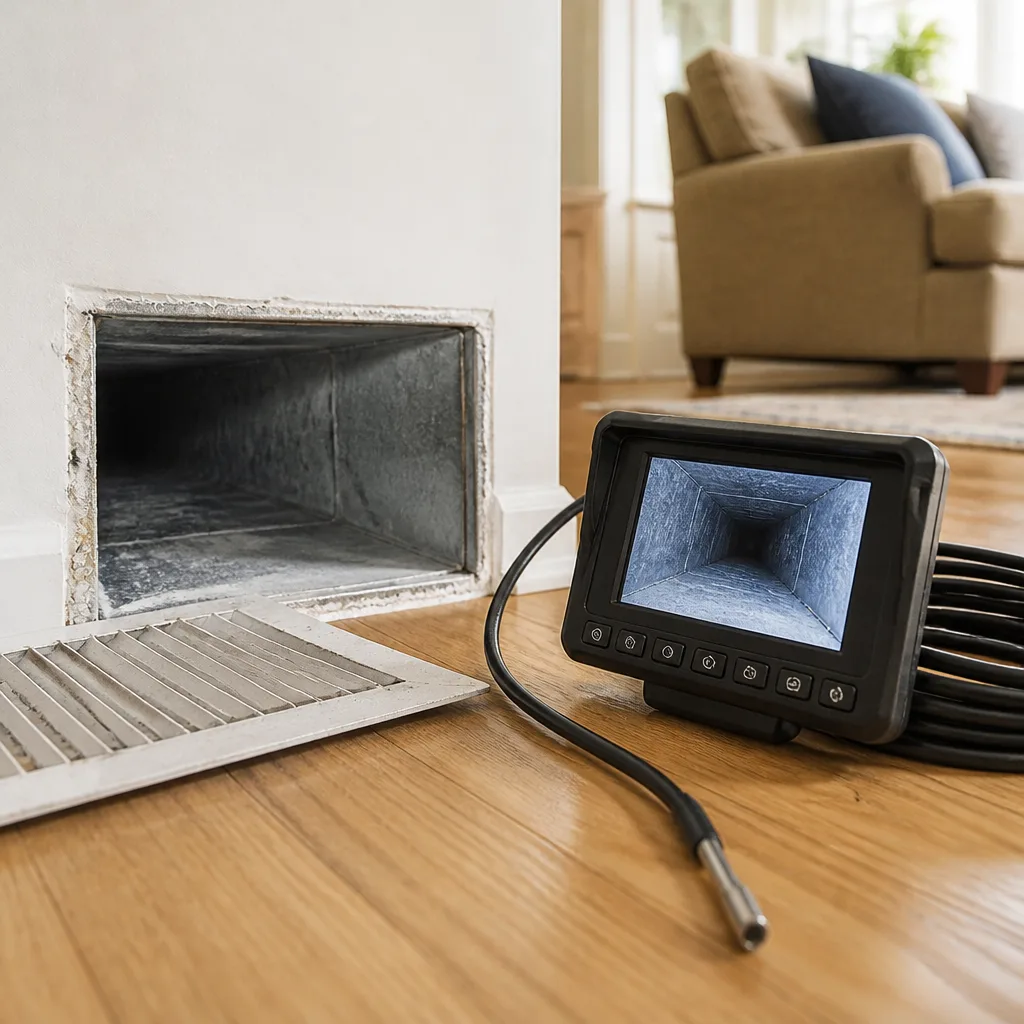 Camera inspection
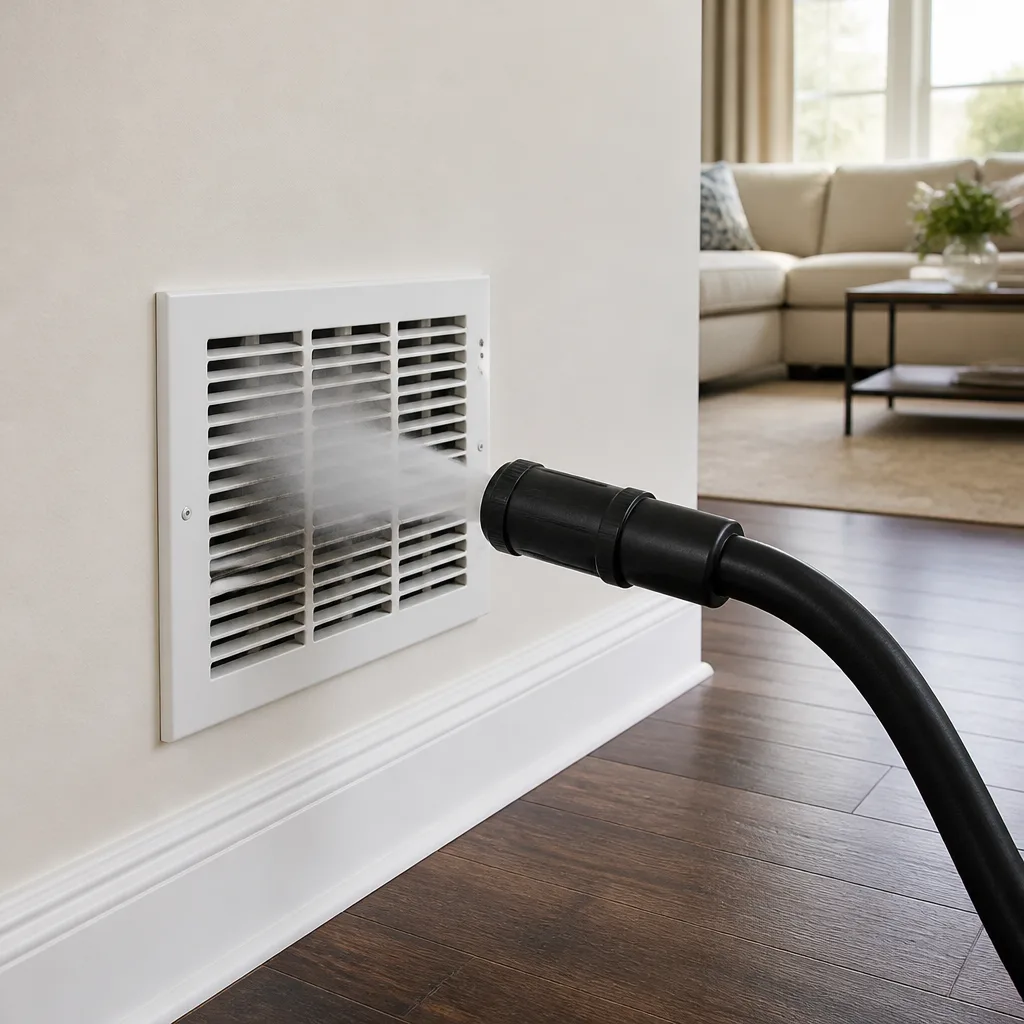 Sanitizing & deodorizing
Whole-system duct and dryer vent check with before-and-after photos - you see exactly what came out of your vents
That "$99 whole-house special" is a bait ad - the real number appears once they are in your hallway, or the "clean" is a shop-vac at the register. We photograph the inside of your ducts before and after instead.
How to Hire an Air Duct Cleaning Contractor in Williamsbridge: A Step-by-Step Guide
Any company can buy a shop-vac, print magnetic truck signs, and legally call itself an air duct cleaning service in New York. There’s no statewide license that stops them. That single fact changes how you should shop. Star ratings tell you whether people were polite, not whether anyone actually cleaned the inside of the duct run. This guide is built around the questions you ask before booking, because in Williamsbridge the quality of the answers separates a real specialist from a vacuum-truck operator. You’ll learn a structured interview you can run by phone, how to read a scope of work, and what a legitimate full-system clean should actually involve.
Quick Answer
To hire an air duct cleaning contractor in Williamsbridge, ask for the technician’s equipment setup, how brushes are matched to your duct material, whether the technician performs post-clean verification, and what the written scope of work covers before you agree. Skip any contractor who quotes a flat price without first looking at your system design. The local pro you hire should be licensed and insured as their state requires, and the final price should be one agreed figure per system, not a per-vent charge.
Styles & brands we work with
- Whole-home duct cleaning
- Dryer vent cleaning
- Camera inspection
- Sanitizing & deodorizing
Table of Contents
- Why Vetting Matters More Than Reviews in Williamsbridge
- The Technical Questions to Ask Before You Book
- What NADCA Membership Actually Verifies
- Red Flags in a Cleaning Quote
- How to Read a Scope of Work Document
- What Proper Equipment Looks Like On-Site
- Apartment Buildings Versus Detached Homes in Williamsbridge
- How to Verify the Work Was Actually Done
Why Vetting Matters More Than Reviews in Williamsbridge
New York doesn’t license air duct cleaning as a trade, so no state exam proves competence in duct work. That’s the hard truth behind every booking. A contractor can register a business, carry general liability coverage, and put a logo on a van without ever demonstrating they know how a trunk-and-branch system works. Reviews happen at the door, not inside the duct. What you need is a way to judge technical competence that the review page can’t provide.
Williamsbridge adds its own twist. The neighborhood sits in the North Bronx, where a huge chunk of the housing stock is older: walk-ups, semi-attached homes, and prewar apartment buildings with original or partially retrofitted HVAC layouts. Ducts in these structures are often narrow, sometimes lined with materials a flexible brush will damage, and frequently run through spaces with tight access. A generic contractor familiar only with new suburban construction can spend an hour on-site and still not understand your system.
So the vetting has to happen before the technician arrives. The questions in the next two sections exist to smoke out a real specialist from a truck operator, and they work regardless of what the review count says.
If your building is one of the older walk-ups near White Plains Road or east of the Metro-North line, ask about duct access ports during the phone call. A specialist will ask right back what floor you’re on and whether there’s a ceiling hatch or a utility closet to work from. A truck operator will change the subject to price.
The Technical Questions to Ask Before You Book
Here’s the interview. Write these down and call two or three contractors with the list. The quality of the answers, and whether they ask follow-up questions of their own, tells you what the equipment can’t.
- “What CFM rating does your vacuum unit produce, and is it truck-mounted or portable?” CFM means cubic feet per minute, the measure of source-capture airflow. A genuine negative-pressure setup needs enough airflow to keep dust moving toward the containment, not just suck at the register. A technician who can’t state the CFM rating of their equipment is either using consumer gear or guessing. Truck-mounted units typically deliver far greater capture volume than portables, but even portable units built for professional work, like those from Nikro, carry a real rating. Ask for the number.
- “How do you choose a brush for my duct material?” This is where damage happens. Sheet-metal ducts handle aggressive rotary brushes; fiberglass duct board, flexible flex-duct, and lined metal need contact-brush systems that won’t tear the liner or crush the inner wall. Ask what they use on flex-duct versus rigid metal. A specialist answers instantly and asks you what your ducts are made of.
- “Do you create access ports where registers don’t reach?” Long runs behind finished walls don’t clean from the register alone. Access ports are cut, cleaned through, and sealed. If they don’t mention port creation without prompting, they cannot reach the whole run.
- “Do you pressure-test or verify airflow after cleaning?” Post-clean verification means checking that the system pressure and airflow are where they should be, not just trusting the vacuum ran. Ask how they confirm the work.
- “What sanitizing products do you use, and are they registered for HVAC surfaces?” A finish step that leaves the system protected, not just clean, is the difference between the two. Ask what finishes or sanitizing standards they follow before they touch the interior.
- “Will you photograph the before and after of my own ducts?” A contractor confident in the work hands you the images. One who has no images has nothing to show.
Run that list against any quote and you’ll learn more in five minutes than an hour of review-reading. The full-system approach is what we mean by Air Duct Cleaning Williamsbridge: ducts, vents, HVAC, and the whole air pathway treated as one system.
What NADCA Membership Actually Verifies
NADCA is the National Air Duct Cleaners Association, and its membership is a useful signal but not a guarantee. The association publishes an assessment, cleaning, and restoration standard for HVAC systems, so a member contractor has agreed to work to that standard. It does not independently inspect every job. Membership doesn’t replace your own questions, and being absent from the member list doesn’t automatically make a contractor bad. Treat NADCA as one filter among others.
Useful things NADCA membership tells you:
- The contractor has adopted the association’s HVAC assessment and cleaning standard rather than improvising.
- They are likely to have formal training resources for technicians, which matters in an unlicensed trade.
- They probably document their process, because the standard requires assessment before cleaning.
What it doesn’t cover:
- It doesn’t certify the specific technician arriving at your door, nor their individual experience level.
- It doesn’t guarantee every job is inspected by NADCA itself.
- It doesn’t replace checking insurance, asking about equipment, or reading the written scope.
In a Williamsbridge context, NADCA matters most as proof the contractor knows the difference between an HVAC system assessment and a wipe-down of visibly dusty registers. Ask whether the assessment happens before they quote. In our experience that single question filters harder than the badge. For a deeper read on the cleaning process itself, look at what air duct cleaning should include from start to finish.
Red Flags in a Cleaning Quote
A quote is a window into how a contractor thinks. When you see these signs, the company is telling you something important before the technician even arrives.
- Flat-rate pricing with no system assessment. A price given over the phone before anyone sees your ducts isn’t a price, it’s a guess. In an older Bronx building with nonstandard runs, the guess is nearly always wrong, which means the number grows on-site.
- No question about duct material or system age. If they never ask whether your ducts are flex, metal, or duct board, they can’t be choosing the right brush or tooling.
- No mention of access port creation. A contractor who cleans only through existing registers is not cleaning the whole run. This is the most common shortcut, and it’s invisible on the invoice.
- Per-vent pricing promoted as a bargain. Counting registers rewards cutting corners. The number of vents doesn’t tell you how much work the ducts need.
- Quotes that skip the dryer vent entirely. A clogged dryer vent is a fire risk, and a specialist offering whole-system service should address it separately, not ignore it.
- No photos, no before-and-after, no written scope. Ask to see the scope in writing before you agree to anything.
When you get a quote you trust, it looks different: one flat price per system, agreed before the work starts, and the scope in writing. That’s the standard we hold the local pro to. The alternative pricing model, the low teaser that becomes a much larger invoice once the truck is parked, is the industry’s worst habit and the main reason people shop the vetting list.
How to Read a Scope of Work Document
The scope of work is the contract behind the handshake. Read it before you agree, and know what good looks like. A legitimate full-system clean on a Williamsbridge property should list, at minimum:
- System identification. Which duct system or systems are being cleaned, which supply and return runs are in scope, and any zones.
- Access plan. Where ports will be cut, how they’ll be sealed afterward, and who restores any wall or ceiling finishes.
- Method and equipment. Negative-pressure setup, the brush or air-whipping tools used for each duct material, and the containment.
- Components beyond the ducts. Supply and return registers, grilles, coils, blower, and drain pan if they’re being cleaned. The scope should say clearly which ones.
- Sanitizing and surface protection. What product is applied to interior duct surfaces, and to what finish standard.
- Dryer vent line. Called out separately, because clearing lint buildup is a fire-safety service, not a duct add-on.
- Verification. How the contractor confirms cleaning and what documentation they leave.
- Price. One flat figure per system, with any variables named up front.
If any of those eight are missing, ask. A contractor who can’t put the access plan and the dryer vent line in writing hasn’t thought the job through. Two service pages worth knowing here: dryer vent cleaning for the fire-risk line item, and HVAC cleaning for the coil-and-blower portion a full-system scope should include.
What Proper Equipment Looks Like On-Site
When the technician arrives, the equipment should tell you something before anyone says a word. Professional duct cleaning relies on two things: enough negative pressure to hold the dust in the containment, and the right mechanical tooling to loosen what’s clinging to the walls.
Truck-mounted versus portable:
- Truck-mounted negative-pressure units deliver high CFM through a large hose, which is why they’re standard for detached homes and shorter duct runs where a hose can reach from a parked van. They pull a strong, steady negative pressure through the containment.
- Portable negative-pressure units run on internal power and deliver lower airflow, but they’re the only option when the van can’t park near the system. On a Bronx apartment building with no curb access and multiple floors, a professional-grade portable unit is often the correct tool. The commercial-grade portables in professional work, such as Nikro units, are built for exactly that.
Then look at the tooling. Rotary brush systems reach into the duct with a brush matched to the material. Contact-brush and air-whip tools handle flexible duct where a stiff rotary brush would tear the liner. A contractor arriving with a shop-vac and a hand brush is not running a full-system clean. What we look for in our equipment is commercial-grade tooling built for professional restoration environments, not consumer vacuum gear, because that’s what the job actually requires. You don’t need to know the brand names when you’re vetting a contractor. You do need to see real containment, a hose that looks professional, and a technician who can explain the setup in plain language.
One more on-site detail worth watching: containment. A technician should set up barriers around the registers they’re working, so the room stays clean. If dust starts drifting during the work, the setup is wrong.
Apartment Buildings Versus Detached Homes in Williamsbridge
The same service question gets different answers depending on where you live in Williamsbridge, and the equipment setup changes with it.
Apartment buildings. Access is the whole game. Older walk-ups around the neighborhood often have utility closets, ceiling hatches, or hallway chases that a contractor has to work from. A portable negative-pressure unit with duct runs that climb through shared walls is standard here. Ask any contractor proposing to clean an apartment whether they’ve worked in buildings with limited curb access, and whether they carry portables. If they only run a truck-mounted hose, they’ll be improvising from the curb.
Detached and semi-detached homes. More common in the neighborhood’s residential side streets, these properties usually have a full basement or crawlspace and an outdoor parking spot. That’s where a truck-mounted unit performs well: short hose run, high CFM, and a full trunk-and-branch clean possible in one visit. If your home has an unfinished basement and an accessible curb, a truck-mounted setup is usually the more thorough option.
Either way, one service should be on both lists: the dryer vent. A clogged vent is one of the leading causes of residential fires, and clearing it is a short service that belongs in the same visit. Property managers who run several units in Williamsbridge get this done on a schedule and pair it with a documented scope for each apartment.
Climatic note for the South Bronx. The area’s summers are humid, and older ducts with marginal airflow can collect moisture and dust together in all the wrong places. That’s one reason a Williamsbridge duct clean typically looks at airflow and pressure, not just visible dust.
How to Verify the Work Was Actually Done
Verification is the part almost nobody does, and it’s where a good contractor separates from a fast one. When the work finishes, you should be left with more than a clean floor.
- Before-and-after photos of your own ducts. Interior shots of the run, taken at the access points. If the contractor doesn’t offer them, ask.
- The written scope completed and signed off. Every line accounted for.
- Airflow check. A register that barely moved air before the clean should move more after. Ask the technician to confirm airflow before leaving.
- Access ports sealed. Every cut port should be closed and finished. Look at them before the crew leaves.
- Dryer vent cleared and the exterior flapper checked. Look outside and confirm lint isn’t packed at the cap.
If you’re left with nothing but a receipt and a bill, ask for the photos and the documentation. A contractor confident in the work has both. If they can’t produce the images, that’s your answer.
Common Mistakes to Avoid
- Booking on the coupon price alone. A low teaser price that turns into a much larger invoice once the technician is on-site is the industry’s oldest move. Ask for one flat price per system in writing before you agree.
- Skipping the duct material question. Asking what kind of ducts you have is the single fastest way to find out whether the contractor is a specialist. Flex-duct, metal, and duct board each need different tooling, and a contractor who never asks can’t be choosing the right brush.
- Assuming NADCA membership ends the vetting. It’s a useful filter, not an inspection. Ask about the individual technician’s experience and the equipment, then read the scope.
- Ignoring the dryer vent. A whole-system service call should cover the vent line, because a clogged dryer vent is a real fire risk. If it’s an add-on nobody mentions, ask about it.
- Not asking about access ports. On a North Bronx walk-up, the run behind the wall usually can’t be reached from the register. If they don’t mention cutting and sealing ports, the deep run isn’t being cleaned.
- Taking a contractor’s word for the work with no photos. Ask for before-and-after shots of your own ducts. No images, no proof.
- Running heat and the system during the work. Set the system to off before the crew arrives and check the filters after. It’s a small habit that keeps dust from recirculating mid-job.
See the difference
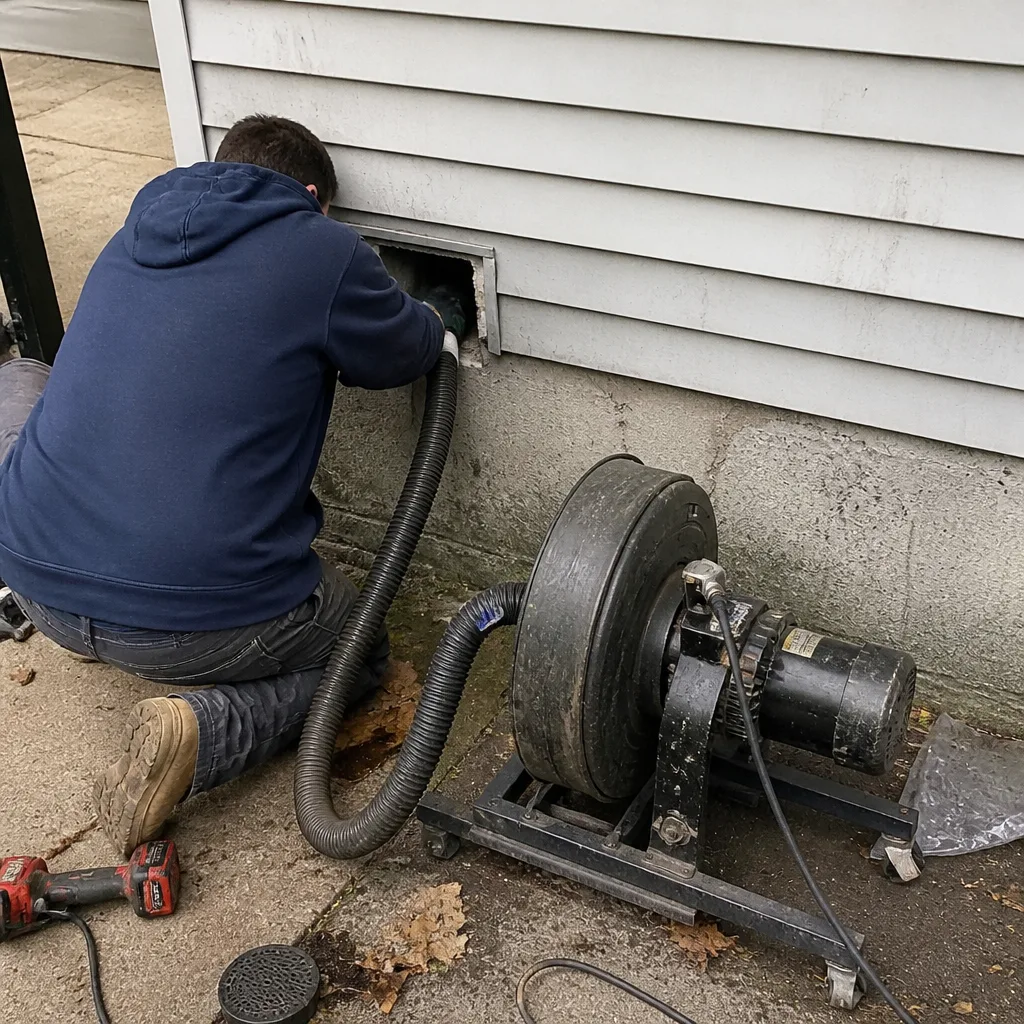 Before
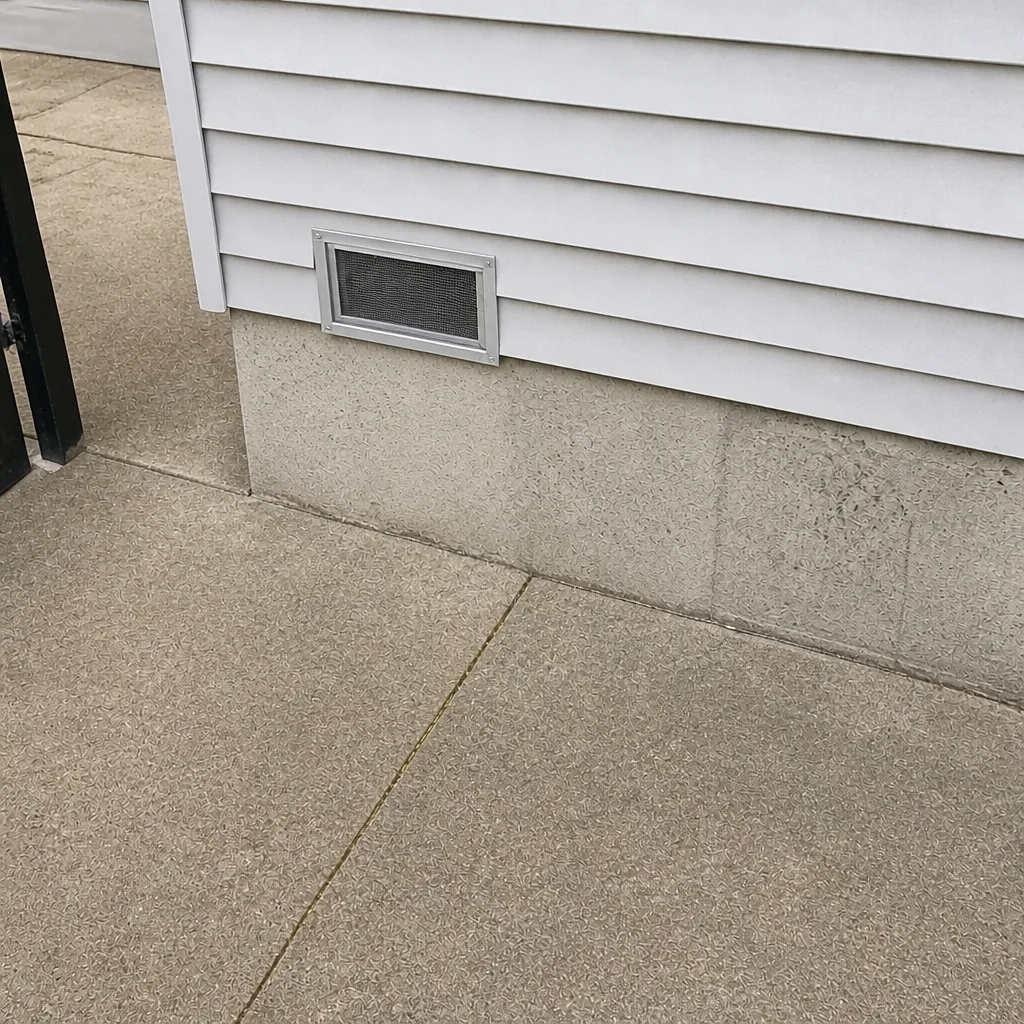 After
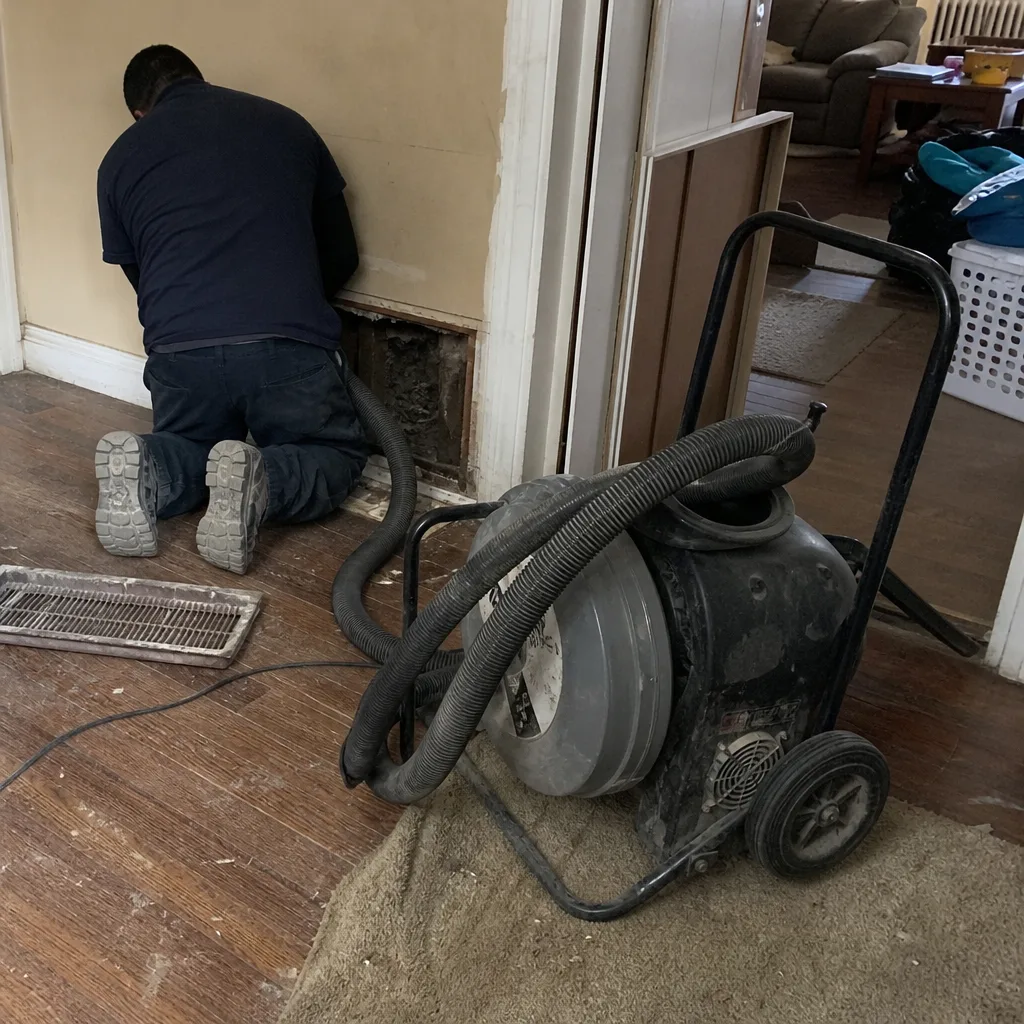 Before
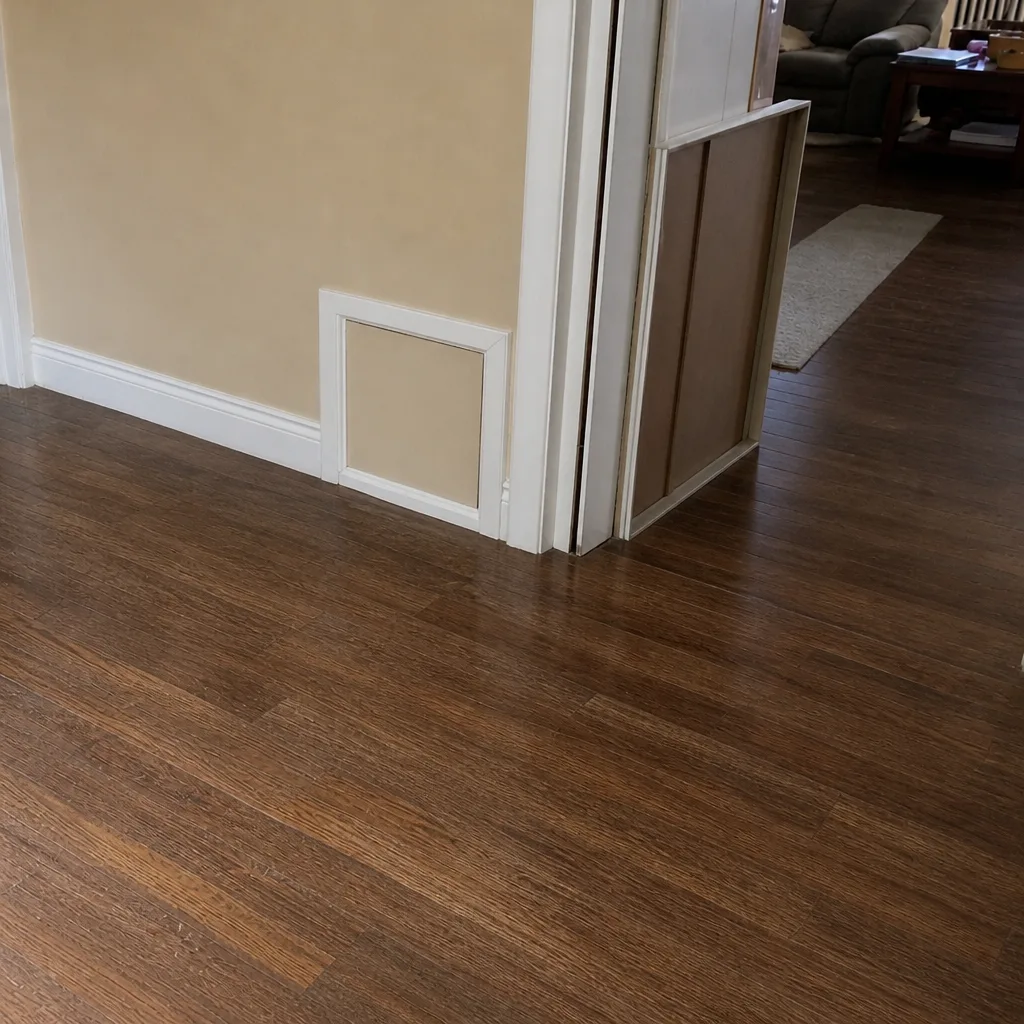 After
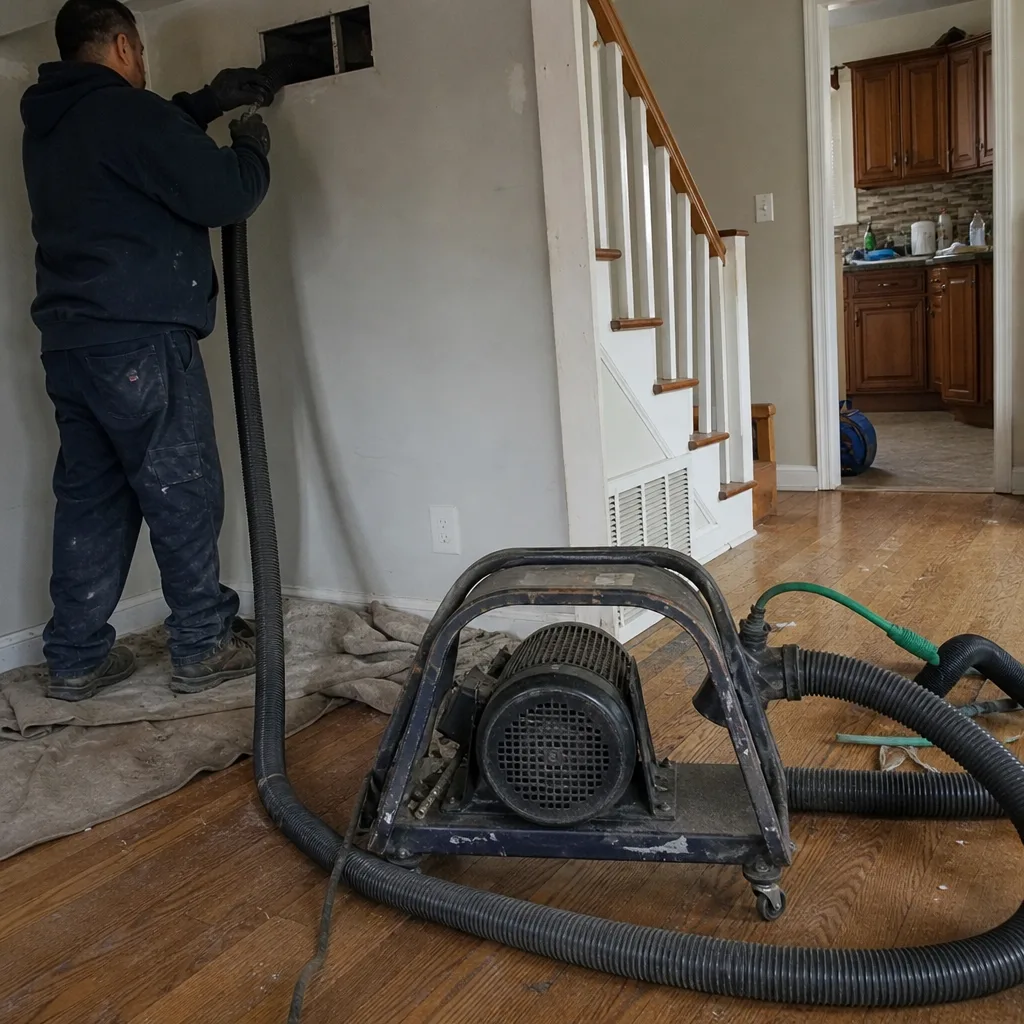 Before
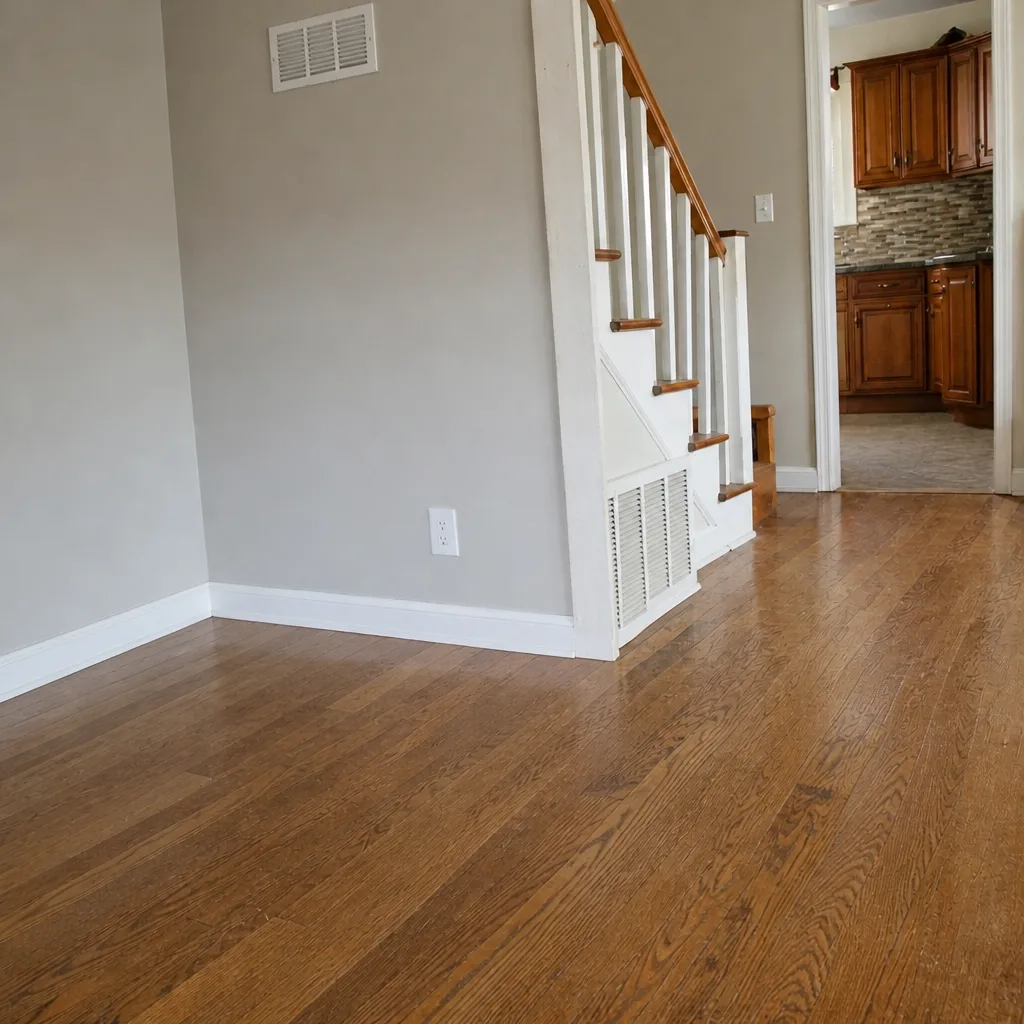 After
When to Call a Professional
Some situations need a trained professional, not a do-it-yourself attempt. Call a qualified contractor when you smell persistent mustiness coming from the vents, when you see visible dust plumes at the registers every time the system kicks on, or when a member of the household has allergy or respiratory concerns that seem tied to indoor air. Call when the dryer takes dramatically longer to dry a load or the exterior vent cap shows lint buildup. Call if you’ve had recent renovation or water intrusion that may have sent debris or moisture into the ductwork. Call when you’re moving into an older Williamsbridge apartment and don’t know the duct history. And call if the system has never been assessed, because an assessment should come before any cleaning price. Air Duct Cleaning Williamsbridge offers free estimates in Williamsbridge. Call (844) 443-3861. We answer 24/7. Fast dispatch from 7am to 7pm, Sunday through Friday.
Frequently Asked Questions
Pricing depends on your system design, duct material, and whether the dryer vent and HVAC components are in scope, so the honest answer is that we quote one flat price per system after assessing the property. What you won’t get from us is a per-vent count or a teaser price. The written estimate sets the final number, and we don’t change it mid-job. Call (844) 443-3861 for an exact quote. Estimates are free.
Cheap quotes usually leave something out: access ports they won’t cut, sanitizing they won’t apply, or a dryer vent they don’t touch. Sometimes the price is genuine and the scope is just narrow. Call (844) 443-3861 and we’ll walk you through what a full-system clean includes before you compare numbers. Estimates are free.
New York doesn’t license air duct cleaning as a trade, which is why the technical questions in this guide matter more than a license lookup. The local pro is licensed and insured as their state requires for the work they do, but no state exam proves duct-cleaning competence. Ask about equipment and scope instead. Call (844) 443-3861 if you want to hear the answers directly.
Ask for before-and-after photos of your own ducts and the completed written scope. A contractor with nothing to show has nothing to prove. A full-system clean should leave you with images, sealed access ports, and a verified airflow check. We provide photos as part of the job. Call (844) 443-3861 for an estimate. Estimates are free.
There’s no universal schedule; it depends on pets, renovations, dust load, and the housing stock. Older Bronx buildings with limited airflow tend to need it on a shorter cycle than a newer detached home. An assessment tells you better than a rule of thumb. Call (844) 443-3861 for a free estimate.
Yes, and a full-system path should. Dryer vent clearing is a fire-safety service, HVAC cleaning covers the coil and blower, and duct repair and sealing closes what you don’t want leaking. One visit, one team. Call (844) 443-3861 for an estimate. Estimates are free.
The Bottom Line
In a state with no duct-cleaning license, the vetting is on you, and the interview is the only thing that separates a real specialist from a truck operator. Ask about CFM ratings, brush selection by duct material, post-clean verification, and sanitizing products. Read the scope of work and check for the access plan and the dryer vent line. Look at the equipment when it arrives, and ask for before-and-after photos of your own ducts before the crew leaves. Do that, and the Williamsbridge contractor you hire is one you actually know. Air Duct Cleaning Williamsbridge provides five core services, from cleaning to sanitizing and sealing, and we answer 24/7. Call (844) 443-3861. Fast dispatch from 7am to 7pm, Sunday through Friday.
Written by the team at Air Duct Cleaning Williamsbridge.